How Do I Find an Apartment with an Elevator in Tbilisi?
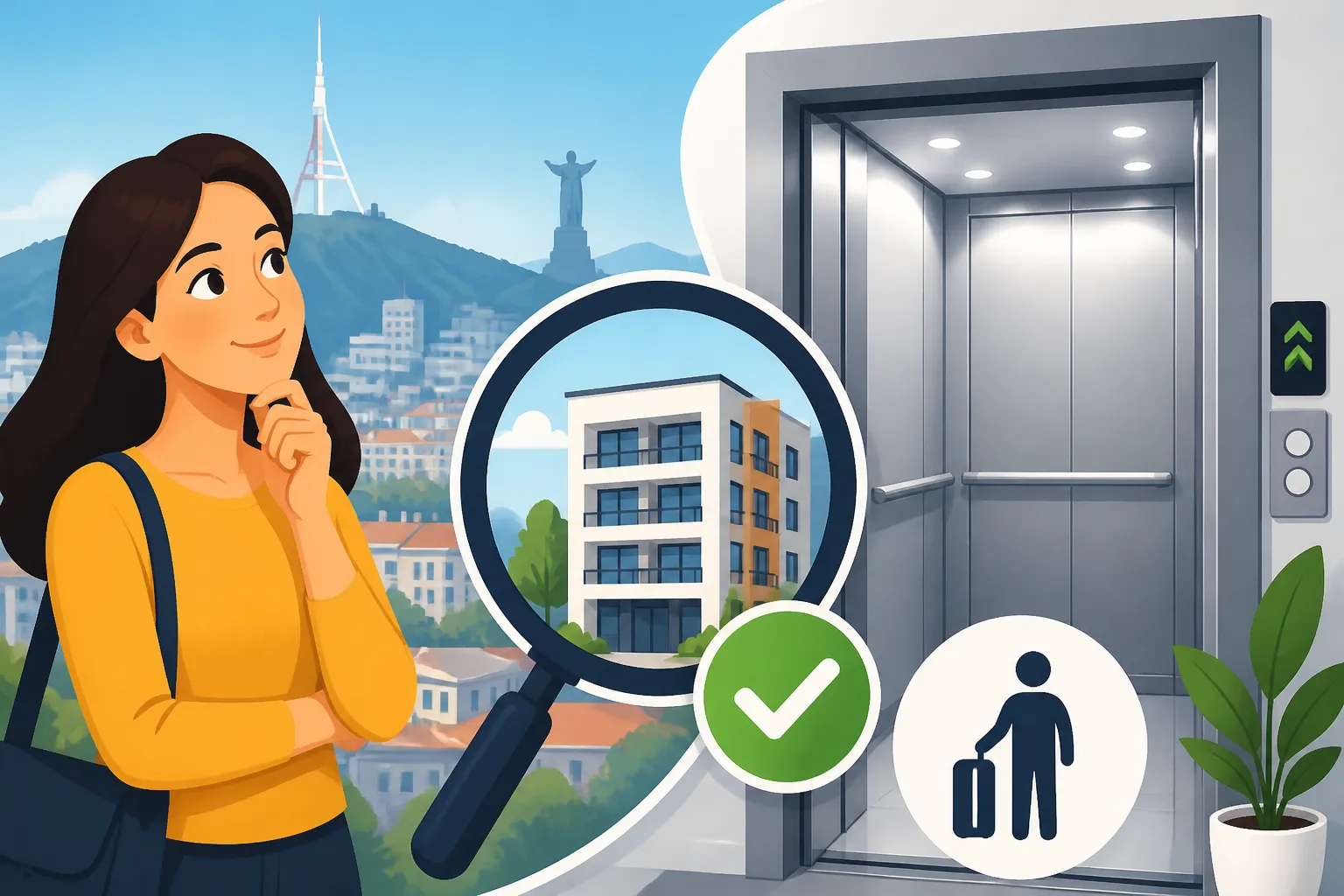
Navigating the housing market in Tbilisi can be an adventure, filled with charming quirks and sometimes, unexpected challenges. One common frustration many expats face, especially those not keen on daily cardio just to get home, is finding an apartment with a reliable, working elevator. This guide aims to tackle that specific hurdle, walking you through the realities of Tbilisi's buildings and offering actionable strategies to find your perfect elevated abode.
Why Finding an Elevator Apartment in Tbilisi Can Be a Challenge (and Why It's Worth It)
Oh, the stories I could tell about climbing five, six, even seven flights of stairs after a long day, groceries in tow! It’s a rite of passage for many expats in Tbilisi, but let's be honest, it doesn't have to be your story. While the city's old-world charm is undeniable, it often comes hand-in-hand with architectural relics that weren't built with modern convenience in mind.
The Reality of Tbilisi's Housing Stock
Tbilisi is a city of layers, both historically and architecturally. You'll find everything from grand, decaying 19th-century buildings with soaring ceilings to Soviet-era concrete blocks that seem to defy gravity, alongside shiny new high-rises. And each of these eras brings its own "elevator reality."
Many of the older, beautiful buildings, particularly in central areas like Sololaki, Vera, or Mtatsminda, were simply not designed with elevators. If they do have one, it might be a tiny, ancient contraption tucked away in a corner, more suitable for a single person and a small bag than a family with a stroller or heavy luggage. These elevators often require a coin or a special card to operate, adding another layer of daily ritual to your life. Imagine getting home late, fumbling for a tetri (Georgian coin) in the dark, only to find the machine has eaten your coin and refused to move. It's happened to the best of us, and it certainly adds character, but it's not ideal.
Then there are the vast residential districts built during the Soviet era. These multi-story apartment blocks often came with elevators, but years of inconsistent maintenance or outright neglect mean many are temperamental, prone to breakdowns, or simply out of order for extended periods. It's not uncommon to see a sign taped to a lift door, "Lift is not working," a phrase that can send a shiver down the spine of anyone living on the higher floors. So, while a listing might technically say "elevator present," the reality could be far from what you're imagining back home. It's a common expat frustration, and one that absolutely needs to be validated.
The Practical Perks of an Elevator
Despite the challenges, persistence in finding an apartment with a reliable elevator is absolutely worth it, especially if you're planning to stay for the long haul. The convenience alone is a game-changer. Think about those weekly grocery runs – hauling heavy bags up several flights of stairs is nobody's idea of fun, particularly in the sweltering Tbilisi summer or the icy grip of winter.
For families with young children, an elevator moves from a luxury to a necessity. Pushing a stroller up and down multiple floors daily quickly loses its novelty. And let's not forget anyone with mobility issues, temporary injuries, or even just the everyday wear and tear on your knees. An elevator significantly enhances your quality of life and accessibility within your own home.
Beyond personal comfort, an apartment in a building with a well-maintained, functional elevator often suggests a better overall standard of building management and resident care. This can translate to other benefits, such as cleaner common areas, better security, and a more pleasant living environment. Should you ever decide to move on, an apartment with a reliable elevator will also be significantly easier to rent out or sell to future tenants or buyers, making it a sound investment in your comfort and potential future returns. When considering your overall Cost of Living in Georgia for Expats, the small premium for a convenient elevator can be well worth it.
Navigating the Search: Strategies for Finding Your Elevator-Equipped Home
So, you're convinced. An elevator it is. Now, how do you actually find one in this wonderful, sometimes maddening, city? It requires a bit of savvy, some patience, and knowing where to look and who to ask.
Leveraging Online Platforms and Filters
Your first port of call will undoubtedly be the local online property portals. In Georgia, MyHome.ge and SS.ge are the undisputed kings for apartment rentals and sales. They are packed with listings, and you'll find everything from bare-bones studios to luxurious penthouses.
However, a word of caution: while these sites have filters, they aren't always perfect, and descriptions can be… optimistic. When you're searching, make "elevator" a primary filter. On MyHome.ge, this is usually under the "features" or "amenities" section. Be diligent. Don't just tick the box and assume every result will be perfect. Listings might state "elevator" even if it's the aforementioned coin-operated, frequently broken type.
Start broad with your search parameters, including your preferred neighborhoods like Vake, Saburtalo, or even newer parts of Isani or Samgori, and then narrow down by price and other features. When you see a promising listing, always look closely at the photos. If there are no photos of the building entrance or interior common areas, that might be a red flag. If the building looks quite old from the exterior shots, mentally prepare to ask specific questions about the elevator's age, condition, and functionality. It's not uncommon for agents or landlords to avoid showing the dingy entrance or old elevator shaft.
Sometimes, you might even find promising places listed without an explicit mention of an elevator. It's worth calling or messaging to double-check, especially if the apartment itself looks appealing and is on a higher floor. You might be surprised, but often, the omission is a sign it's not present or not reliable. For instance, when looking for a place like How Do I Find an Apartment to Rent in Batumi?, similar online strategies apply, but the prevalence of newer buildings might make the search slightly easier there.
The Indispensable Role of Real Estate Agents
For specific requirements like a truly reliable elevator, a good real estate agent can be an absolute lifesaver. While you can find an apartment independently, agents have access to listings not always immediately visible online, and crucially, they possess invaluable local knowledge. They know which buildings have recently renovated elevators, which ones are notorious for breakdowns, and which neighborhoods are predominantly older stock without proper lift access.
The key here is finding a trustworthy agent. Ask for recommendations from other expats in local Facebook groups or expat forums. When you connect with an agent, be explicit about your non-negotiable needs: "I need an apartment with a working and reliable elevator, preferably one that doesn't require coins or frequent repairs." Don't be shy about repeating this. A good agent will understand your priorities and filter options accordingly.
Real estate agent fees typically range from 50% to 100% of one month's rent, usually paid by the tenant. While this is an upfront cost, the time and stress they can save you, especially in a competitive market or with niche demands, is often worth it. They can also assist with the nuances of the rental contract, helping you to How to Sign a Rental Contract and Pay a Deposit in Georgia. You might even consider checking out our guide on How Do I Find a Reliable Real Estate Agent in Georgia? for more in-depth advice.
Exploring Newer Developments and Modern Buildings
If a reliable elevator is at the very top of your list, you might want to focus your search on Tbilisi's newer residential developments. These buildings, constructed in the last 10-15 years, almost universally come equipped with modern, well-maintained elevators. Many even have multiple lifts per block, reducing wait times and increasing reliability.
Areas like Saburtalo, particularly the newer complexes around Lisi Lake or near major universities, are hotspots for modern apartment buildings. Vake also has its share of contemporary residential towers, though often at a higher price point. Even districts further out like Isani and Samgori have seen significant new construction, offering more affordable options with modern amenities.
The trade-off for these newer buildings is often a higher rental price and potentially a less "authentic" Tbilisi experience compared to the older, more characterful districts. You might also find yourself a bit further from the very heart of the Old Town, though Tbilisi's public transport, including the metro, is quite efficient for getting around.
When viewing apartments in these modern complexes, you'll generally find the elevator situation much less of a concern. However, it's still worth checking on maintenance schedules and if there are any communal fees that cover elevator upkeep. This is especially relevant to Understanding Building Maintenance Fees for Apartments in Georgia.
For your initial exploration of the city, especially during viewings, having a reliable internet connection is vital. An eSIM from a provider like Airalo can be incredibly handy, ensuring you're always connected without hunting for local SIM cards immediately upon arrival. This allows you to navigate to different viewings, look up neighborhood information on the fly, and communicate with agents seamlessly. If you're coordinating moving services, a company like Sirelo can help compare international movers, and they'll definitely appreciate knowing if your new building has a proper elevator for delivering all your belongings!
What to Expect and How to Verify Your Elevator Situation
Once you've narrowed down your options and are scheduling viewings, it's crucial to go in with your eyes wide open. Don't just accept "yes, it has an elevator" at face value. Dig deeper.
"Working Elevator" vs. "Reliable Elevator": Bridging the Expectation Gap
This is where local knowledge truly comes into play. In older Georgian buildings, a "working elevator" might mean it works most of the time, or it works if you have the right coin, or it works only when the building manager is in a good mood. It's a spectrum, not a binary.
Many older elevators in Tbilisi operate on a payment system. You either insert a 10 or 20 tetri coin for a single ride or use a special top-up card. This system is designed to cover maintenance costs, but it can be annoying. What if you're out of coins? What if the machine is jammed? Newer buildings, on the other hand, usually have elevators included in the general building management fees, meaning they're freely accessible.
It's also important to understand the concept of building management. In older blocks, it might be an informal system run by residents, meaning maintenance can be sporadic. In newer complexes, there's usually a professional management company, leading to more regular servicing and quicker repairs.
Therefore, when an agent or landlord says "working elevator," your follow-up questions should include:
- "Does it require coins or a card?"
- "Who is responsible for maintenance?"
- "How often does it typically break down, and how quickly are repairs usually made?"
This line of questioning helps bridge the expectation gap and ensures you're not signing a lease only to discover your daily climb to the fifth floor is a permanent feature. For those also considering property purchase, the guide How to Choose Between Renting and Buying in Georgia? also delves into these building specifics.
Key Questions and Inspections During Viewings
When you're actually at the apartment for a viewing, don't be shy. This is your future home, potentially a very high one, so thoroughness is key.
Your Checklist:
- Test the Elevator Yourself: Absolutely, unequivocally, ride the elevator up and down. Does it feel smooth? Is it well-lit? Does it make any alarming noises? Pay attention to how quickly it arrives and how stable it feels.
- Inspect the Elevator Car and Shaft: Look for signs of recent maintenance. Are the inspection certificates up to date? (This might be a long shot in some older buildings, but worth a glance). Is the interior clean and well-maintained, or does it look like it's seen better decades?
- Check the Building's Overall Condition: The state of the elevator often reflects the general upkeep of the entire building. If the hallways are dark, dirty, or crumbling, it's a good indicator that the elevator might also suffer from neglect.
- Ask Neighbours (if possible): If you see other residents in the hallway, politely ask them about the elevator's reliability. Locals are usually very open and honest about these things. Their lived experience is often the most accurate gauge.
- Payment System Inquiry: Reconfirm if there's a payment system. If it requires coins, ask where to get them or if you can purchase a card.
- Emergency Procedures: Are there emergency buttons in the elevator? Do they look functional? Is there an emergency contact number posted?
This due diligence during viewings will save you a lot of grief later on. Remember, you're not just renting an apartment; you're renting access to it. It's as crucial as checking the plumbing or the internet connection. Speaking of connections, when you're ready to settle in, you'll want to know How Do I Set Up Internet in My Georgia Home? and other utilities like How Do I Set Up Electricity After Moving to Georgia? or How Do I Set Up Water and Gas in Georgia?.
Negotiating and Securing Your Ideal Apartment
Once you've found an apartment that ticks all your boxes, including the all-important elevator, it's time to seal the deal. The rental market in Tbilisi can move quickly, especially for desirable units, so be prepared to act.
When it comes to negotiation, you might have some wiggle room, but for high-demand properties or those with specific features like a genuinely reliable elevator in a good location, landlords might be less flexible on price. Focus instead on ensuring the terms of the rental agreement are clear and fair.
Key points for securing your apartment:
- Rental Contract: Ensure you have a clear, written rental contract, preferably in both Georgian and English. If the elevator's reliability is a major concern, you could even try to include a clause regarding its operational status, though this is rare and might be met with resistance. However, clarifying responsibilities for maintenance and repairs is crucial.
- Deposit: Be prepared to pay a security deposit, usually one month's rent. Make sure the conditions for its return are clearly stated in the contract.
- Communication: Maintain open and clear communication with your landlord or their agent. If any questions arise, especially about the building's shared amenities like the elevator, address them before signing.
- Move-in Logistics: If you have heavy furniture or many boxes, reconfirm the elevator's availability on your move-in day. Coordinating with local movers to ensure they understand the elevator situation can save a lot of last-minute headaches (and strained backs!).
Finding an apartment in Tbilisi, especially one that meets specific modern comfort demands, can be a journey. But with a clear understanding of the local housing landscape and a proactive approach, you'll be enjoying your elevated view without the added workout in no time. For a broader overview of the rental process, refer to The Complete Guide to Renting an Apartment in Georgia (2027).
Tbilisi Apartment Elevator Guide: What to Expect by Building Type
| Building Type | Typical Elevator Situation | Reliability & Maintenance | Payment System | Pros for Expats | Cons for Expats |
|---|---|---|---|---|---|
| Pre-Soviet Era (Old Town, Sololaki) | Very rare, often tiny/ancient, or non-existent. | Low to non-existent | N/A or coin-op | Authentic charm, central location | Severe accessibility issues, high floors are a workout |
| Soviet-Era Blocks (Older Saburtalo, Vake, Gldani) | Common, but often old, slow, and prone to breakdowns. | Medium to Low | Often coin/card-op | More spacious apartments, often affordable | Unreliable, frequent repairs, daily payment hassle |
| Post-Soviet/Early Modern (2000s-2010s) | Usually present, better condition than Soviet, but aging. | Medium | Sometimes free, sometimes card-op | Better amenities, often renovated | Can still have intermittent issues, payment required for some |
| New Developments (Last 10-15 years, Newer Saburtalo, Dighomi, Isani) | Standard, modern, multiple lifts, often spacious. | High | Almost always free | High comfort, excellent accessibility, modern design | Higher rent, may be further from city centre |
Disclaimer
The information provided in this guide is for general informational purposes only and does not constitute professional advice. While we strive to ensure the information is accurate and up-to-date, real estate markets and regulations in Georgia can change. We recommend consulting with a local real estate professional or legal expert for advice tailored to your specific situation.