How Do I Set Up Internet in My Georgia Home?
Ah, the internet. It’s not just a luxury anymore, is it? For us expats in Georgia, whether you’re working remotely, connecting with family back home, or just trying to stream your favorite show after a long day of navigating marshrutkas, reliable internet isn't just nice to have, it's essential. The good news is, getting connected in Georgia is generally straightforward, but like many things here, it comes with its own quirks and delightful surprises. This comprehensive guide is here to walk you through every step of setting up internet in your Georgian home, cutting through the confusion so you can get online with minimal fuss.
Understanding Your Internet Options in Georgia
When you're first looking into getting online in Georgia, you'll quickly realize that the landscape is pretty modern, especially in the bigger cities like Tbilisi and Batumi. You've got a few main options, each with its own advantages and disadvantages. It’s worth taking a moment to understand them, as what might work for a quick trip certainly won’t cut it for long-term living.
Fibre Optic Internet: The Gold Standard
For most expats settling down in a permanent home, fibre optic internet is absolutely the way to go. It’s fast, stable, and surprisingly affordable here. In Tbilisi, fibre is widely available, particularly in newer buildings and central districts. You’ll find that providers have invested heavily in fibre infrastructure over the past decade, making it a reliable choice for everything from high-definition streaming to demanding online work.
Imagine trying to have a video call with your family back home, only for your connection to stutter and freeze every few minutes. With fibre, those frustrations largely disappear. You get symmetric or near-symmetric upload and download speeds, which is a game-changer for anyone who needs to send large files or participate in frequent online meetings. Plus, fibre is much less susceptible to interference compared to older technologies, meaning fewer dropped connections or slowdowns during peak hours. If you're comparing options for your new apartment, always prioritize fibre optic availability. This choice will make a huge difference to your daily life.
ADSL/VDSL: A Reliable Backup
While fibre is taking over, you might still encounter apartments, especially in older buildings or more rural areas, where ADSL (Asymmetric Digital Subscriber Line) or VDSL (Very-high-bit-rate Digital Subscriber Line) is the primary option. These technologies use traditional copper telephone lines to deliver internet. They're certainly not as fast as fibre, but they can still provide a perfectly usable internet connection for basic browsing, email, and even standard-definition streaming.
The main difference you'll notice with ADSL/VDSL is the speed. While fibre can offer hundreds of megabits per second (Mbps), ADSL might only give you up to 20-30 Mbps, and VDSL a bit more, perhaps up to 100 Mbps, depending on your distance from the exchange. Crucially, the upload speeds are significantly lower than download speeds, which can be a real headache if you do a lot of uploading for work. For a single person living alone with modest internet needs, it might be fine, but for a family or someone working from home with heavy data requirements, you'll definitely feel the pinch. Before signing any rental agreement, it's always wise to ask your landlord or real estate agent about the internet options in the building. You don't want to move in only to discover you're stuck with snail-paced internet when you're used to lightning speeds.
Mobile Internet and Hotspots: For On-the-Go or Temporary Needs
Let's be honest, sometimes you just need to get online right now, or you’re in a situation where fixed-line internet isn't practical, like during a temporary stay or while exploring the Georgian countryside. This is where mobile internet really shines. Georgia has excellent mobile network coverage, particularly with 4G LTE, and 5G is expanding in major cities. You can easily pick up a local SIM card from providers like Magti, Silknet, or Cellfie (formerly Beeline) at the airport or any of their shops around town. They offer various data packages, often very generously priced.
The beauty of mobile internet is its portability. You can use your phone as a personal hotspot, connecting your laptop or tablet wherever you go. For short-term rentals, or if you're just starting your journey here and need immediate connectivity before sorting out a home internet plan, this is an absolute lifesaver. I remember landing here, and before I'd even found my first apartment, my mobile hotspot was my lifeline. It got me through those initial days of searching for a place and keeping in touch with home. However, it’s generally not a long-term solution for home internet. Data caps can be an issue, and while speeds are good, they can fluctuate more than a dedicated fibre line. Plus, draining your phone battery constantly with hotspot usage isn't ideal. For travelers or those who need a data SIM without the hassle of finding a local store right away, services like Airalo offer eSIMs that can get you connected almost instantly upon arrival. It's a fantastic option for seamless international travel and those crucial first few days.
Choosing the Right Internet Provider for Your Home
Once you’ve got a handle on the different types of internet available, the next big hurdle is picking a provider. It's not just about who has the cheapest deal; you need to consider reliability, speed, customer service, and coverage in your specific area. Trust me, nothing is more frustrating than having a technical issue and not being able to communicate it effectively.
Major Providers: Silknet, Magti, NewNet
In Georgia, two giants dominate the internet service provider (ISP) market for home users: Silknet and Magti. A third, NewNet, also has a significant presence, especially in certain areas. Each has its pros and cons, and knowing a bit about them will help you make an informed decision.
Silknet is arguably the largest and most established player. They offer comprehensive services, including fibre internet, ADSL/VDSL, mobile communication, and TV packages. Their fibre network is extensive, especially in Tbilisi and Batumi, and they generally boast good speeds and reliability. They have numerous service centers and their website is available in English, which is a huge plus for expats. However, their English-speaking customer support might vary in quality, and sometimes getting through on the phone can be a bit of an endurance test. Prices are competitive, and they often have attractive bundles if you're looking for TV or mobile services too. Many expats start with Silknet because of their broad reach.
Magti is another very strong contender, primarily known for its mobile network, but they also offer excellent home internet services, including fibre. Their fibre network has expanded significantly, and many users report very stable connections. Magti's customer service tends to be highly regarded, and they often have dedicated English-speaking staff or at least agents who can manage basic conversations. They are typically seen as slightly more premium, which sometimes reflects in their pricing, but many feel it’s worth it for the improved service experience. If you already use Magti for your mobile phone, bundling services with them could simplify your billing and potentially offer discounts.
NewNet is a slightly smaller, but still significant, player. They specialize mostly in internet services, often with a focus on fibre optic connections, particularly in specific apartment complexes or newer developments. Their pricing can sometimes be more aggressive than Silknet or Magti, offering great value for money. The main consideration with NewNet is ensuring they have coverage in your exact building. Their customer service might not be as widely available in English as the other two, so a local friend or landlord might be invaluable during setup. However, for a solid internet connection at a good price, they are definitely worth checking out if available in your area.
To give you a clearer picture, here's a quick comparison of what you might expect from these providers:
| Feature | Silknet | Magti | NewNet |
|---|---|---|---|
| Primary Service | Fibre, Mobile, TV, ADSL/VDSL | Fibre, Mobile, TV | Primarily Fibre |
| Coverage | Very wide in major cities, expanding | Very wide in major cities, expanding | Good in specific areas/buildings |
| Speeds | Excellent fibre speeds (up to 1000 Mbps) | Excellent fibre speeds (up to 1000 Mbps) | Excellent fibre speeds (up to 1000 Mbps) |
| Reliability | Generally high | Generally high | Generally high |
| Customer Service | English support available, can be slow | Good, often better English support | Variable, less English support |
| Pricing | Competitive, good bundle options | Competitive, sometimes slightly higher | Often very competitive |
| Bundles | Mobile, TV, home phone | Mobile, TV | Limited, usually internet-only |
Factors to Consider When Selecting a Plan
Choosing your provider and plan isn't just about brand names; it's about what genuinely fits your lifestyle and needs here in Georgia. Think beyond just the monthly fee, because a cheap plan that leaves you pulling your hair out isn't really cheap at all.
First, speed is paramount. Don't just look at the download speed; consider upload speed too. If you're working remotely, especially with video conferencing or cloud backups, strong upload speeds are critical. A 100 Mbps download/10 Mbps upload plan might be fine for casual browsing and Netflix, but for heavy use, you’ll want something closer to 200/50 Mbps or higher if your budget and location allow. Many providers now offer up to 1 Gigabit (1000 Mbps) fibre connections in major cities, which is fantastic value.
Next, look at the cost and contract terms. Most internet providers in Georgia offer monthly plans, but signing up for a 6-month or 12-month contract can often get you a better deal or even free installation. Be wary of hidden fees, like activation or equipment rental charges, though these are usually minimal or waived with longer commitments. Always clarify the total monthly cost, including any taxes or maintenance fees.
Installation fees can vary. Sometimes they're free with a commitment, sometimes they're a one-off charge. It’s usually not a huge amount, but it’s good to know upfront.
Customer support is a big one. As an expat, having access to English-speaking support can save you immense frustration when things inevitably go wrong (because they sometimes do, anywhere in the world!). Ask about their English support options, operating hours, and how to reach them – phone, chat, or in-person at service centers. I've found that Magti tends to be a bit better on this front, but experiences can differ.
Finally, consider bundle options. If you're also planning to get a local mobile plan or a TV package, many providers offer discounts when you bundle these services. Silknet, for instance, offers comprehensive packages that include internet, TV, and mobile. This can simplify your billing and potentially save you some lari. If you're unsure about the overall cost of living in Georgia, remember that utilities, including internet, are generally quite affordable, which helps with budgeting.
The Step-by-Step Process for Internet Installation
Alright, you've chosen your provider and your plan. Now comes the nitty-gritty: getting it all set up. This part can feel a little intimidating, especially if you're not fluent in Georgian, but I promise it's manageable. A little preparation goes a long way.
Initial Research and Application
Before you even step foot into a provider's office, do some legwork. Start by checking availability in your specific building. Most provider websites have an online tool where you can enter your address to see what services are offered. If their website is only in Georgian, a quick Google Translate or a friendly local can help you navigate. This step is crucial because fibre isn't everywhere, and you don't want to fall in love with a plan only to find it's not available where you live.
Once you know what's available, you have a few options for applying:
- Visit a Service Centre: This is often the most reliable method for expats. Head to a main branch of your chosen provider (e.g., Silknet or Magti in a large mall like Galleria Tbilisi or Tbilisi Mall). Bring your passport and your residence permit (if you have one). If you don't have a residence permit yet, some providers might allow you to sign up with just your passport and a local contact number, but having a residence permit definitely makes things smoother. It's also helpful to have your exact address written down in Georgian, if possible. At the service center, you can speak directly with a representative, ask questions, and usually sign the contract on the spot. This face-to-face interaction is invaluable for clarifying terms and ensuring everything is correctly understood.
- Online Application: Most providers offer online application forms. While convenient, these are usually entirely in Georgian. If you're comfortable using translation tools and don't mind a bit of guesswork, this could work. However, you'll still likely need to visit a service center eventually to pick up equipment or for ID verification.
- Through Your Landlord/Real Estate Agent: If your Georgian isn't up to par, your landlord or real estate agent might be willing to help you set up the internet. This can be a huge help, as they can handle the communication and paperwork. Just make sure you understand the terms and that the contract is in your name, not theirs, especially if you're planning a longer stay. Sometimes, they might even tell you that internet is already included with the apartment or that the previous tenant's service can be easily transferred. If you're going through a rental agent, make sure to ask them how to sign a rental contract and pay a deposit in Georgia, as this often goes hand-in-hand with utility setup.
Required Documents:
Typically, you'll need:
- Your passport.
- Your Georgian residence permit (if you have one). If you're a newcomer and only have your visa-free stamp, explain your situation. Some providers may accept it, but having a residence permit strengthens your application.
- A local Georgian phone number.
- Your exact address.
The staff will help you fill out the application, clarify the monthly fees, and explain the installation process. You'll sign a contract, usually in Georgian, so ask for a translated version or have someone trustworthy read through the key points if you're concerned.
Installation Day: What to Expect
Once your application is submitted and approved, the provider will schedule an installation date. This is usually within a few days to a week, depending on technician availability and whether new wiring is required. They'll give you a time window, but be prepared for typical "Georgian time," meaning it could be a bit earlier or later than specified. Make sure you're home or have someone there to let the technician in.
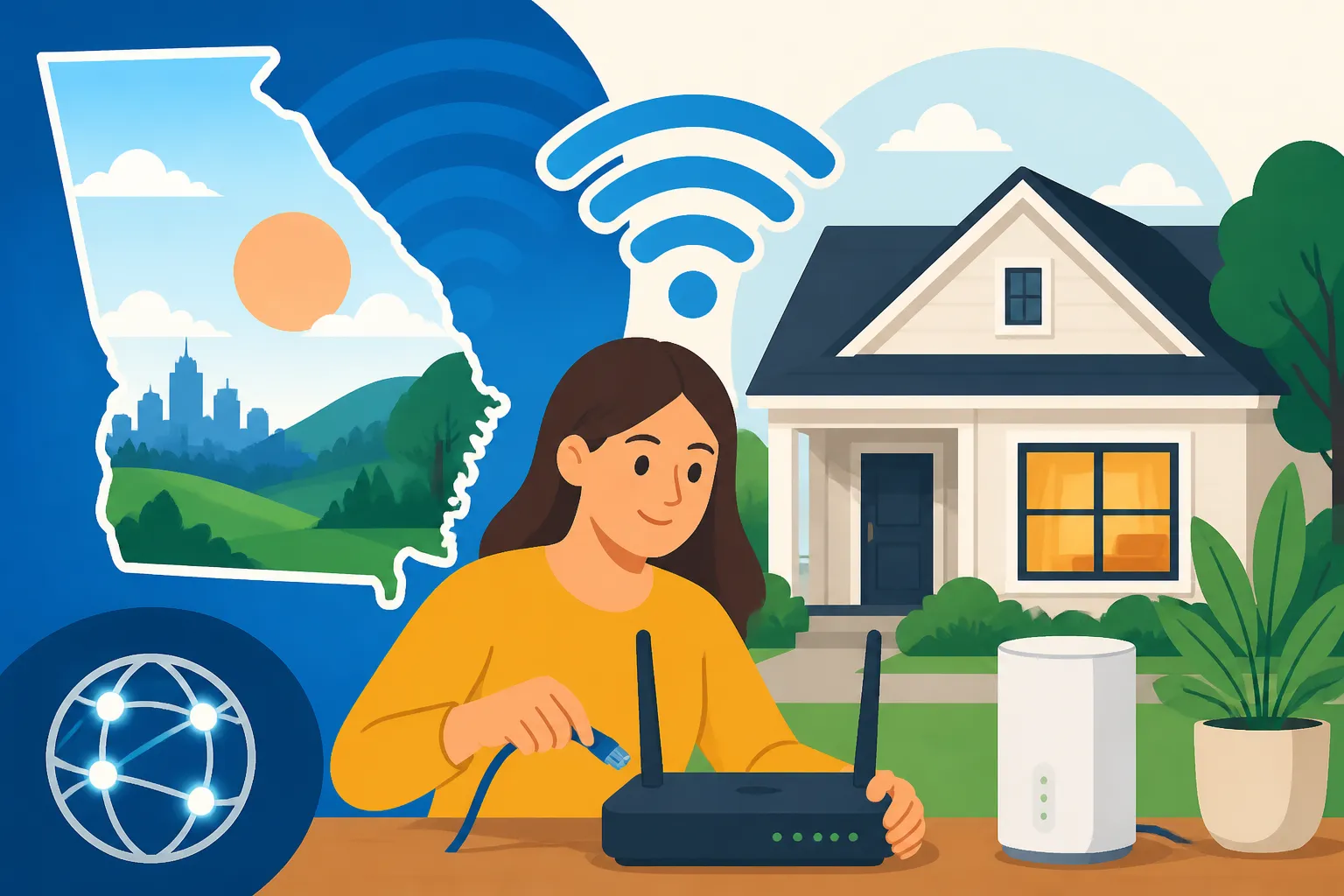
On the day, a technician will arrive. If you're getting fibre, they'll need to run a fibre optic cable from the building's main line to your apartment. This might involve drilling a small hole or using existing conduits. They will then install an Optical Network Terminal (ONT) inside your apartment, which converts the fibre signal into an Ethernet signal. After that, they'll connect a Wi-Fi router, which is usually provided by the ISP (sometimes for a small rental fee or free with a contract).
The technician will set up the router, connect it to the ONT, and ensure everything is working. They should test the connection speed and show you that it's active. This is your chance to ask questions, like what the Wi-Fi network name (SSID) is and its password. If your Georgian isn't strong, try to have a translation app ready or a friend on call to help. Most technicians are used to dealing with foreigners, but communication can still be a hurdle. Don't be afraid to use hand gestures and show them what you need. It’s often much smoother than you anticipate, even with the language barrier.
Troubleshooting and Ongoing Support
Once your internet is up and running, life should be good! But like any technology, sometimes things go wrong. Perhaps your Wi-Fi suddenly drops, or speeds slow down inexplicably. This is when you'll need to reach out for support.
Common issues might include:
- No internet connection: First, check your router and ONT lights. Are they all green? If not, try restarting your router and the ONT by unplugging them for 30 seconds and plugging them back in.
- Slow speeds: Test your speed using an online speed test. If it's consistently lower than your plan, it's time to call the provider.
- Wi-Fi signal issues: This could be due to router placement, interference from other devices, or a large apartment. Consider a Wi-Fi extender if your apartment is big.
When it's time to contact customer support, try their dedicated English-speaking lines if available. If not, be prepared to speak slowly and clearly, and use simple language. Many providers have a WhatsApp number or online chat, which can be easier for translation. Explain the problem concisely. Sometimes, they can fix it remotely, or they'll schedule another technician visit. Patience is key here. It's a universal truth that tech support can be frustrating, and Georgia is no exception. However, in my experience, the issues are usually resolved, even if it takes a bit of back-and-forth. Knowing how to pay your utility bills in Georgia also means you'll be familiar with their general payment systems, which can sometimes be linked to support portals.
Managing Your Internet and Bills
So, you're connected, you're streaming, and life is good. Now, let's talk about the practicalities of keeping that internet flowing smoothly: paying your bills and what happens if you decide to move on.
Paying Your Monthly Bills
Paying your internet bill in Georgia is surprisingly convenient, thanks to the country's robust payment infrastructure. You have several options, so pick the one that suits you best:
- Online Portals: All major providers (Silknet, Magti, NewNet) have online portals where you can view your bills, manage your services, and make payments. While these portals might initially be in Georgian, they usually have an English language option or are easy enough to navigate with a browser's translate function. This is often the most convenient method as you can set up recurring payments or pay manually from your bank account.
- Payment Machines (Pay Boxes): These ubiquitous orange and blue terminals are everywhere – in supermarkets, metro stations, pharmacies, and on street corners. They're incredibly user-friendly and even have an English interface. You simply select your internet provider, enter your subscriber ID (which will be on your contract or previous bills), and insert cash. The transaction is instant, and you'll get a receipt. This is a lifesaver if you prefer cash payments or need to pay on the go.
- Bank Apps: If you have a Georgian bank account with Bank of Georgia or TBC Bank, their mobile banking apps offer a seamless way to pay utility bills, including internet. You can usually find a "Utilities" or "Payments" section, select your provider, enter your subscriber ID, and confirm the payment. It’s quick, secure, and records all your transactions. This is often my preferred method for handling all my regular bills, from electricity to internet.
- In-Person at Service Centers: Of course, you can always visit a service center to pay your bill in person. This is less convenient but an option if you prefer human interaction or need to discuss your bill.
Always ensure you pay your bill on time to avoid service interruption or late fees. Providers typically send reminders via SMS, but it's a good habit to mark the due date on your calendar. If you're curious about managing other household expenses, you might also find our guide on how to pay your electricity bill in Georgia helpful, as the payment methods are quite similar across utilities.
Moving or Cancelling Service
Life in Georgia for an expat can be wonderfully fluid, and sometimes that means moving apartments or even moving on from the country entirely. When that time comes, you'll need to know how to manage your internet service.
If you're simply moving to a new apartment within the same city, your provider can often transfer your service to your new address. You'll need to contact customer service well in advance (typically 1-2 weeks before your move date) to arrange this. They will check availability at your new location and schedule a technician to disconnect service at your old place and reconnect it at the new one. There might be a transfer fee, but it's usually less than a full new installation. Remember, if you're using a moving service like Sirelo, coordinating your internet transfer with your move-in date is crucial to avoid any downtime.
If you decide to cancel your service completely, perhaps because you're leaving Georgia or switching providers, you'll need to contact your provider and follow their cancellation process. This usually involves:
- Notice Period: Check your contract for any required notice period (often 30 days).
- Returning Equipment: You will almost certainly need to return any leased equipment, such as the Wi-Fi router or ONT. They will usually instruct you to drop it off at a service center. Failure to return equipment can result in charges.
- Final Bill: Ensure you settle any outstanding balances. Ask for a final bill confirmation to avoid any surprises later on.
Cancelling can sometimes feel like a bit of a bureaucratic dance, especially with language barriers. If you're leaving the country, it's best to handle this in person at a service center a few days before your departure, just to ensure everything is sorted and you get your official confirmation of cancellation. This attention to detail will help you tie up any loose ends as you navigate your departure, similar to managing all the other aspects of your relocation journey, as detailed in our guide on The Complete Guide to Moving to Georgia: Your First 90 Days (2027).
Getting your internet set up in your Georgian home might feel like a big hurdle when you're first arriving, but with a bit of planning and this guide in hand, you'll find it's a relatively smooth process. Don't be afraid to ask for help from local friends, your landlord, or even use translation apps. The goal is a stable connection, and with Georgia's modern infrastructure and competitive market, you're very likely to get it. Enjoy your seamless connectivity!
Disclaimer
The information provided in this guide is intended for general informational purposes only and does not constitute professional advice. While we strive to ensure the accuracy and timeliness of the information, details such as pricing, service availability, and regulations can change rapidly. Expats should always verify current information directly with service providers and relevant authorities in Georgia. We recommend consulting with local experts for personalized advice regarding your specific situation.