How Do I Pay My Electricity Bill in Georgia?
Alright, fellow expat! You've successfully navigated the maze of moving to Georgia, found a place, and perhaps even started to settle in. But then comes that first utility bill, landing on your doorstep or popping up in an app, and suddenly you're faced with a whole new challenge: "How on earth do I pay my electricity bill in Georgia?" Believe me, we've all been there, staring at a slip of paper covered in Georgian script, wondering which portal to use or where the nearest payment point is. This guide is here to unravel that mystery for you, offering a comprehensive, step-by-step walkthrough of all the common ways to settle your electricity payments, so you can keep the lights on without a headache.
Decoding Your Electricity Bill in Georgia
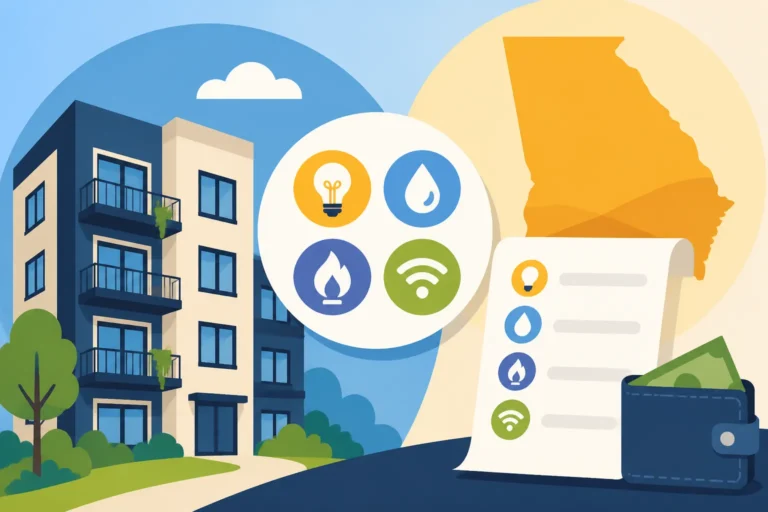
Before you even think about paying, you need to understand what you're paying for. Georgian utility bills, especially electricity, can look a bit daunting at first glance. But once you know what to look for, it becomes much clearer.
Identifying Your Provider and Account Details (Telasi vs. Energo-Pro)
The first crucial step is knowing who your electricity provider is, as this dictates where and how you’ll pay. It’s usually one of two major players in Georgia:
- Telasi: If you're living in Tbilisi, the capital city, Telasi is almost certainly your electricity provider. They serve the entire metropolitan area. Their bills are distinct, and their online services are specific to their company.
- Energo-Pro Georgia: For those of you outside of Tbilisi – whether you’re in Batumi, Kutaisi, Rustavi, or any other region of Georgia – Energo-Pro Georgia will be your electricity supplier. While the general payment methods are similar, their online portals and customer service points are separate from Telasi.
On your physical bill, or if you're looking at an online statement, you’ll typically find a subscriber number or account ID. This is paramount. It’s a unique identifier for your address and electricity connection. Jot it down, save it in your phone, tattoo it on your arm if you must (okay, maybe not that far, but you get the idea!). You’ll need this number for every single payment, whether online or in person. Without it, the payment systems won't know where to direct your funds.
What All Those Numbers Mean: Understanding Your Bill
Once you’ve identified your provider and grabbed that all-important subscriber number, let’s talk about the actual bill. It’s not just a random collection of numbers; it's a breakdown of your consumption and charges.
- Consumption: This is usually measured in kilowatt-hours (kWh) and shows how much electricity you've used during the billing period. You'll often see your previous and current meter readings, with the difference being your total consumption.
- Tariff: Electricity in Georgia is typically charged at different tariffs based on your consumption level. There might be tiered pricing, meaning you pay one rate for the first X kWh, a higher rate for the next Y kWh, and so on. This is common in many countries, and Georgia is no exception. Understanding these tiers can help you manage your usage. For instance, if you're close to exceeding a lower tier, you might be able to adjust your usage to stay within it for cheaper rates.
- Total Amount Due: This is the final figure you need to pay, usually clearly stated. It will often include VAT (Value Added Tax) and sometimes a small service fee if you're using a payment terminal that charges one.
- Due Date: Pay close attention to this. Missing the due date can lead to late fees or, worse, disconnection. Georgian utility companies are quite efficient when it comes to cutting off services for non-payment, so don't test their patience!
Remember that bills are usually issued monthly. Keep an eye out for them, whether they arrive physically in your mailbox or electronically via an app. It's often helpful to keep past bills for reference, especially if you ever need to dispute a charge or compare your usage over time.
The Traditional Ways: Paying in Person
Even in our increasingly digital world, sometimes the most reliable way to get things done, especially when you're just starting to How Do I Get My Health Coverage as a Newcomer in Georgia? or still figuring out the ropes, is face-to-face or via physical terminals. Georgia offers plenty of options for paying your electricity bill in person.
The Ubiquitous Payment Terminals: Your Go-To Pay Boxes
These bright orange or blue terminals, affectionately known as "pay boxes" or "payment machines," are absolutely everywhere in Georgia. You'll spot them in every supermarket, convenience store, metro station, shopping mall, and often just on the street corner. They are, without a doubt, one of the most popular ways to pay bills.
Here’s how they generally work:
- Find a Terminal: Look for prominent brands like TBC Pay or Express Pay. They're easily recognizable and usually have multilingual interfaces, including English.
- Select "Utilities" or "Payments": The main screen will have various categories. Navigate to "Utilities," "Payments," or sometimes directly "Electricity."
- Choose Your Provider: Select "Telasi" if you’re in Tbilisi or "Energo-Pro Georgia" if you’re in the regions. Make sure you pick the correct one!
- Enter Your Subscriber Number: This is where that all-important account ID comes in. Carefully type it in. Double-check, then triple-check that number. A single digit wrong means your payment goes to someone else's account, and trust me, rectifying that can be a massive headache.
- View Your Bill: The terminal will usually display your current outstanding balance and account details (like the registered address) for you to verify. This is your last chance to confirm you’re paying the right bill for the right account.
- Insert Cash: These machines primarily accept cash. Insert the exact amount, or more, and it will give you change. They accept various denominations, from small coins to large banknotes.
- Confirm and Print Receipt: Once you’ve inserted the money, confirm the payment. ALWAYS, ALWAYS, ALWAYS take the printed receipt. It's your proof of payment. Keep it safe until you see the payment reflected on your next bill or online account. These receipts are your best friend if there's ever a dispute.
A quick tip about fees: Most payment terminals charge a small service fee, usually a percentage of your bill (e.g., 0.5% or 1%) or a flat fee (e.g., 0.50 GEL). It’s usually clearly displayed before you confirm the payment. Factor this into your payment amount. While these fees are small, they add up over time across all your utilities.
Bank Branches and Service Centres: When You Need a Human Touch
If you're new to Georgia, or if you prefer the peace of mind that comes with human interaction, paying your electricity bill at a bank branch or directly at your utility provider’s service center is a solid option. This is especially useful if you have questions, want to pay with a card, or simply don't trust the machines yet.
- Bank Branches: Major banks like TBC Bank and Bank of Georgia allow you to pay utility bills at their counters. You'll need your subscriber number and either cash or your bank card. Be prepared for potential queues, especially during peak hours or at the end of the month. The staff are generally helpful, though English proficiency can vary. Don't be shy about asking for help – they're used to assisting foreigners with these kinds of tasks. This method is also a great way to How to Choose the Best Bank for Expats in Georgia for your daily banking needs.
- Provider Service Centres: Both Telasi and Energo-Pro Georgia have their own customer service centres in major cities. These are dedicated offices where you can pay bills, enquire about your usage, report issues, and generally get direct support. This can be a great option if you have a complex query or need to resolve a specific problem with your account. For instance, if you've recently completed the process of How Do I Set Up Electricity After Moving to Georgia? and your first bill looks odd, a service center visit could clarify things.
When using bank branches or service centres, always ask for a receipt and keep it securely. It’s always better to have physical proof, just in case.
The Modern Approach: Online Payments and Apps
For many expats, especially those used to digital convenience, online payment methods are the way to go. They offer speed, convenience, and the ability to pay from anywhere, at any time. This is where your mobile data connection (perhaps from a reliable eSIM like Airalo when you first arrive) becomes truly invaluable!
Navigating Online Banking: TBC and Bank of Georgia
If you've already opened a bank account in Georgia, which is usually one of the first things you do after getting your How Do I Register My Address After Moving to Georgia?, then online banking is arguably the easiest way to manage your utility bills. Both TBC Bank and Bank of Georgia have robust and fairly user-friendly online banking platforms and mobile apps, often with English language options.
Here’s a general rundown of how to pay your electricity bill through online banking:
- Log In: Access your online banking portal or mobile app.
- Navigate to "Payments" or "Utility Payments": This section is usually clearly labelled.
- Find Your Provider: Look for Telasi or Energo-Pro Georgia. You might need to search for it by name.
- Enter Your Subscriber Number: Just like with the pay boxes, accurately input your unique subscriber ID.
- Verify Details: The system should pull up your outstanding bill amount and confirm the account details.
- Confirm Payment: Select the account you want to pay from and confirm. You might receive a one-time password (OTP) via SMS for security.
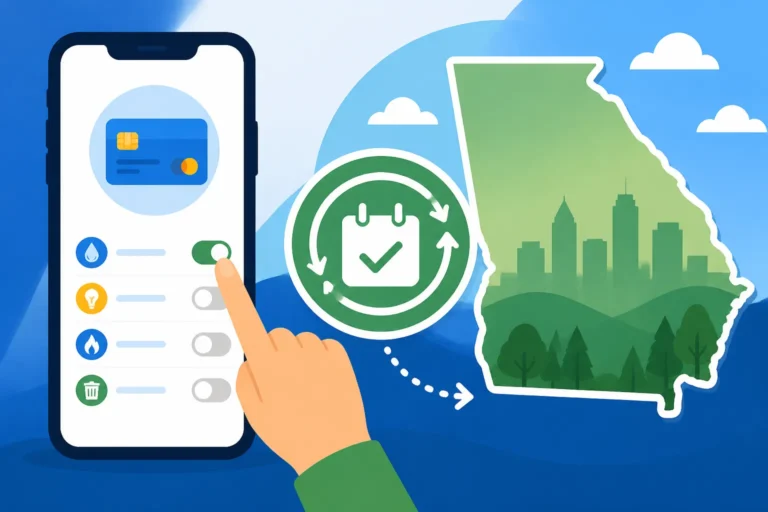
- Save as Template/Auto-Pay (Optional but Recommended!): This is a lifesaver. Once you've paid once, you can usually save this payment as a template or set up a recurring automatic payment. This means you’ll never forget a payment again. Your bank will automatically deduct the amount on the due date. This is a brilliant way to handle all your recurring bills, including when you How Do I Set Up Water and Gas in Georgia?.
The beauty of online banking is the record-keeping. All your payments are logged, providing an easy-to-access history right at your fingertips. No more worrying about lost paper receipts.
Convenient Third-Party Payment Apps and Provider Portals
Beyond traditional online banking, there are several other digital avenues you can explore:
- Third-Party Payment Apps (e.g., MyPay): Several local apps act as aggregators for various utility payments. MyPay is a popular example. These apps allow you to link multiple utility accounts (electricity, water, gas, internet) and pay them all from one place. You can top up your balance within the app using your bank card, or sometimes directly link your Georgian bank account. They offer convenience, notifications for new bills, and a consolidated view of your expenses.
- Provider's Own Online Portals/Apps: Both Telasi and Energo-Pro Georgia have their own dedicated websites and often mobile applications where you can manage your account, check consumption, and pay your bills directly.
- Telasi: Their website and app typically allow you to register your account, view detailed consumption history, receive electronic bills, and make payments directly using your Georgian bank card.
- Energo-Pro Georgia: Similar to Telasi, Energo-Pro Georgia provides online services for their customers to manage their electricity accounts, view bills, and process payments.
These direct provider portals can be incredibly useful for deeper insights into your usage patterns, helping you understand The Complete Guide to Cost of Living in Georgia for Expats (2026) components better. They might also offer specific customer support features that general banking apps don't.
When deciding whether to use online banking, a third-party app, or the provider's own portal, consider what works best for your personal workflow. Many expats find a combination of online banking for auto-payments and a provider's app for detailed usage tracking to be ideal. For those needing to How Do I Transfer Money Into and Out of Georgia as an Expat to cover these bills, remember to factor in potential transfer fees and exchange rates.
Troubleshooting Common Electricity Bill Headaches
Living abroad means inevitably encountering a few bumps in the road, and utility bills are no exception. From surprisingly high charges to the dreaded disconnection notice, knowing how to react can save you a lot of stress.
Contesting a High Bill or Reporting Meter Issues
It happens: you open your bill, and your jaw drops. The amount is far higher than you expected, or perhaps it seems completely out of line with your actual usage. Before you panic, here’s what you can do:
- Check Your Meter Reading: The first step is to compare the reading on your bill with the actual reading on your electricity meter. Meters are typically located outside your apartment door, in a common hallway, or sometimes even inside your apartment. Take a photo of your meter showing the reading and the meter number.
- Review Your Usage History: If you're registered on your provider's online portal or app (Telasi or Energo-Pro Georgia), you can usually view your historical consumption. This helps you identify if there's a sudden, unexplained spike in usage.
- Contact Customer Service: This is where things can get a bit tricky due to language barriers, but it's crucial.
- Telasi: You can call their customer service line (often available in English, or at least you can ask for an English speaker). Be patient. Have your subscriber number and meter photo ready. Explain your concern clearly. They might ask you to send the photo via email or WhatsApp.
- Energo-Pro Georgia: Similar process. Call their helpline.
- In-Person: If phone calls are proving difficult, visiting a customer service centre with your meter photo and bill in hand is often the most effective way to resolve disputes. They can physically check your records and potentially dispatch someone to re-read your meter or inspect it for faults.
Remember, persistence is key. Document every interaction, including dates, times, and the names of any representatives you speak with.
Avoiding Disconnection and Reinstating Service
The fear of having your electricity cut off is very real for many expats, especially if you miss a bill or two amidst the chaos of settling in. Here’s how to navigate this rather unpleasant scenario:
- Avoidance is Best: The simplest solution is to avoid disconnection altogether. Set up those auto-payments through your online banking. Mark your calendar for bill due dates. Regularly check your online account or the provider's app to ensure no bills are outstanding. This proactive approach is part of The Expat Guide to Setting Up Utilities Electricity Water Gas in Georgia.
- Warning Notices: Typically, electricity providers will issue a warning notice before actual disconnection. This might come via SMS, email, or a physical note on your door. DO NOT ignore these! They usually give you a few days to settle the outstanding amount.
- If Disconnected: If your power goes out suddenly and you suspect it’s due to an unpaid bill, don't despair.
- Pay the Outstanding Amount: Immediately pay your overdue bill using any of the methods discussed (online banking, pay box, bank branch). Make sure to get a receipt.
- Pay a Reconnection Fee: In addition to your outstanding bill, you will almost certainly be charged a reconnection fee. This fee varies by provider but is non-negotiable. You’ll usually need to pay this through the same channels.
- Contact Customer Service: Once both payments are made, contact your provider's customer service. Inform them that you’ve paid and request reconnection. They will ask for your subscriber number and possibly proof of payment (your receipt numbers).
- Wait: Reconnection can take a few hours, sometimes up to 24-48 hours, especially if it's outside business hours or on a weekend. Be patient but follow up if it takes longer than promised.
It’s an inconvenient and costly experience, so doing everything you can to ensure timely payments is always the best strategy.
Pro Tips for Expats Navigating Georgian Utilities
Seasoned expats have picked up a few tricks along the way. These general tips can make your utility experience much smoother, not just for electricity but for all your bills.
Language Barriers and Customer Support
This is often the biggest hurdle. While many Georgians, especially younger generations in Tbilisi, speak some English, it's not universally guaranteed. When dealing with utility companies, you might find yourself needing to speak Georgian.
- Learn Key Phrases: Even a few basic Georgian phrases for "electricity bill," "subscriber number," "I need help," or "do you speak English?" can go a long way.
- Translation Apps: Google Translate (especially its camera function for scanning bills or its conversation mode) is your friend. DeepL is another excellent option.
- Ask for an English Speaker: When calling customer service, politely ask, "English speaker, please?" Many companies have at least one English-speaking representative available, though you might need to wait.
- Bring a Georgian Friend: If you have a trusted Georgian friend, colleague, or even a landlord, ask them for assistance. A five-minute phone call from a local can often resolve an issue that might take you hours. This is especially true for more complex issues, like Understanding the Cost of Living Differences Across Georgian Cities.
- Online Communication: If available, email or online chat support can be helpful as it allows you to use translation tools at your own pace.
Setting Up Reminders and Auto-Payments
This is the golden rule of expat life when it comes to bills. The best way to avoid stress, late fees, and disconnections is to automate your payments.
- Online Banking Auto-Pay: As mentioned, use your Georgian bank's online platform to set up recurring payments for all your utility bills. Once configured, it's hands-off.
- Calendar Reminders: If auto-pay isn't an option for some reason, set up monthly reminders on your phone or computer a few days before each bill is due. This gives you ample time to process the payment.
- E-Bills: Opt for electronic bills if your provider offers them. They're often sent to your email, making them harder to lose than physical paper bills. This also helps with being more environmentally friendly!
By taking these proactive steps, you can transform the daunting task of utility payments into a seamless, background operation, allowing you to focus on enjoying your life in Georgia. And remember, when you’re dealing with the initial stress of setting up your new life, tools like Sirelo can help make the relocation process much smoother overall.
Payment Methods Comparison Table
Here's a quick rundown to help you decide which payment method suits you best:
| Payment Method | Convenience | Fees (Typical) | Language Support (Typical) | Proof of Payment | Ideal For |
|---|---|---|---|---|---|
| Payment Terminals | High | Small % or flat fee (0.5-1 GEL) | Multi-language (English often available) | Physical Receipt | Quick cash payments, ubiquitous access |
| Bank Branches | Medium | Usually none (if paying with their card) | Variable (some English speakers) | Physical Receipt | Card payments, seeking assistance, complex queries |
| Online Banking (TBC/BOG) | Very High | Usually none | Excellent (English interface) | Digital Record | Auto-payments, easy tracking, most convenient |
| Third-Party Apps (MyPay) | High | Small % or flat fee (similar to terminals) | Good (English interface) | Digital Record | Consolidating multiple bills, notifications |
| Provider Portals/Apps | High | Usually none | Variable (some English interface) | Digital Record | Detailed usage tracking, direct provider support |
Staying Connected and Informed
Beyond just paying the bills, it’s always a good idea to stay connected and informed. If you're a digital nomad or just someone who relies heavily on connectivity, having a local SIM card and a reliable internet connection is vital for managing your utilities. Tools like Airalo eSIMs can be invaluable for ensuring you have data from the moment you land, letting you download local banking apps and payment portals without hunting for Wi-Fi. It’s all part of making your life in Georgia as smooth as possible.
Remember that setting up services like How Do I Set Up Internet in My Georgia Home?, Understanding the Lari (GEL) and Foreign Currency Accounts in Georgia, and knowing How to Use Local Payment Systems and Cards in Georgia, all contribute to a holistic approach to managing your finances and utilities. The more you understand, the less stressful your expat journey will be.
Disclaimer
The information provided in this guide is for general informational purposes only and does not constitute professional advice. While we strive to provide accurate and up-to-date information, utility policies, fees, and service availability in Georgia can change. It is always recommended to verify specific details with your electricity provider (Telasi or Energo-Pro Georgia) or your bank.