Do I Need a Car to Get Around in Georgia?
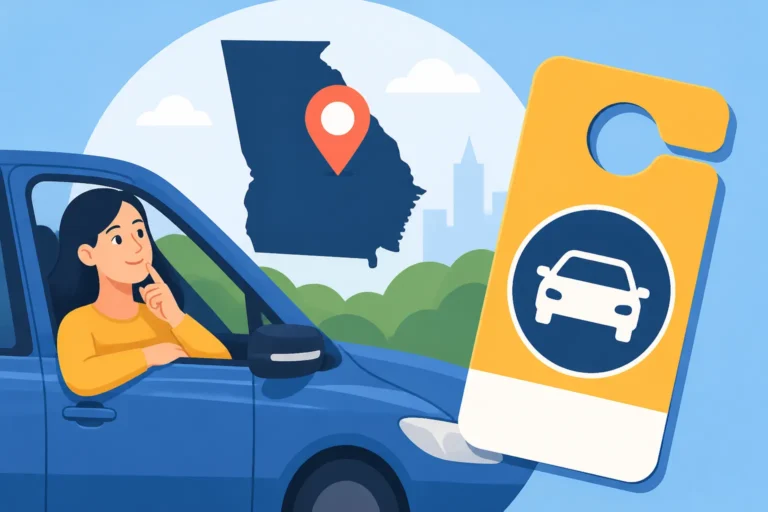
Ah, the age-old expat question: "Do I really need a car here?" It’s a thought that crosses every newcomer's mind as they try to picture their daily life in Georgia. Trust me, I’ve been there, staring at the chaotic traffic and wondering if I’d ever master the marshrutka system. The good news is, for most people living in Georgia, especially in the larger cities, the answer is a resounding "probably not!" But like anything in this beautiful, complex country, it's not quite that simple. This guide will walk you through the ins and outs of getting around, helping you decide if four wheels of your own are truly a necessity.
Navigating the Urban Jungle: Public Transport in Georgia's Major Cities
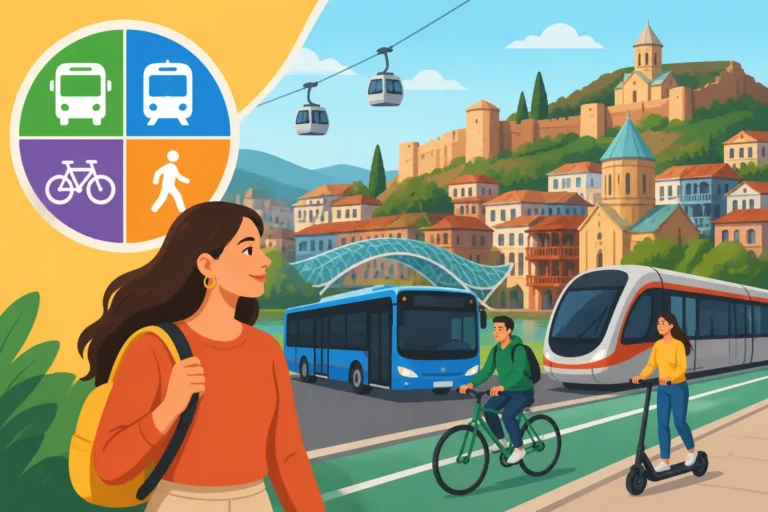
When you first arrive, the idea of using public transport in a new country can feel daunting. Will I get lost? Will I understand the signs? How do I even pay? These are all valid concerns, and yes, there will be moments of confusion and perhaps a few wrong turns. But once you get the hang of it, Georgia's public transport system, particularly in Tbilisi, becomes an incredibly efficient and affordable way to get around.
Tbilisi: Metro, Buses, and Marshrutkas – The Lifeline
Tbilisi, being the capital and largest city, naturally has the most developed public transport infrastructure. It’s a vibrant, sprawling city with diverse neighborhoods, and without a car, you'll find yourself relying heavily on the local network.
The Tbilisi Metro is often the first public transport experience for many expats, and for good reason. It’s clean, efficient, and, most importantly, bypasses the city's notorious traffic. With two main lines connecting many key areas, including Rustaveli Avenue, Liberty Square, and the main railway station, it’s a fantastic way to cover longer distances quickly. The stations themselves can be quite grand, remnants of Soviet-era architecture, adding a touch of history to your commute. Fares are incredibly cheap, paid for with a rechargeable MetroMoney card (or any bank card with contactless payment). You simply tap in, and you’re good to go. The biggest challenge? Figuring out the station names, which are often displayed in both Georgian and English, but sometimes the English is small or missing. A quick tip: use Google Maps to confirm your route and destination station before you head out.
Next up are the buses. Tbilisi boasts an extensive network of modern, often orange, buses that crisscross the city, reaching areas the metro doesn't. They also operate on the same MetroMoney card system, making transfers between the metro and buses seamless within a certain time frame. Bus stops are usually clearly marked, and once again, Google Maps is your absolute best friend for real-time tracking and route planning. You'll quickly learn that buses can get quite crowded during peak hours, and navigating with a stroller or large luggage can be a bit of an adventure. However, they offer a fantastic way to see the city from a different perspective, taking you through bustling streets and quiet residential areas alike. If you want to dive deeper into how all these systems connect, you should definitely check out The Expat Guide to Public Transport in Georgia.
And then there are the marshrutkas. Oh, the marshrutkas! These yellow minibuses are a true Georgian experience – a mix of charmingly chaotic and surprisingly effective. They follow semi-fixed routes but will pick you up and drop you off practically anywhere along their path with a wave of the hand or a shout to the driver. Marshrutkas are almost exclusively cash-only, so always have small GEL notes or coins ready. While they can feel a bit intimidating at first – often packed, with loud Georgian music playing, and drivers who know the city like the back of their hand – they offer a uniquely authentic glimpse into local life. Don't be surprised if your fellow passengers pass your fare up to the driver for you. They’re faster than buses on some routes but lack the same level of comfort or predictability. Mastering them comes with time and a good dose of courage.
Batumi & Kutaisi: Simpler, But Still Effective
While Tbilisi's transport system is the most complex, Georgia's other major cities, like Batumi on the Black Sea coast and Kutaisi in the west, also offer perfectly adequate public transport without the need for a personal vehicle.
Batumi is a more compact city than Tbilisi, and much of its charm lies in its walkability, especially along the beautiful boulevard and in the old town. For longer distances, Batumi relies primarily on its bus network. These are generally modern buses, and like Tbilisi, you'll need a special transport card (often called a Batumi Card) to pay fares. The routes cover the entire city, from the bustling port area to the Botanical Garden. You can easily find information on routes and schedules at bus stops or, again, by using Google Maps. The city is also relatively flat, making cycling a more feasible option for some.
Kutaisi, Georgia's legislative capital and gateway to many western regions, also operates a local bus system. It’s even smaller and less dense than Batumi, meaning that many central areas are easily explored on foot. For destinations further afield, the local buses and marshrutkas are the go-to options. The marshrutkas, in particular, play a significant role here, connecting the city center with surrounding towns and villages. While the frequencies might not be as high as in Tbilisi, they are generally reliable enough for daily commutes and local exploration. Considering the smaller scale of these cities, a car often feels like more of a burden than a convenience, especially when it comes to parking. If you're pondering where to set up your expat life, understanding how transport works in different locales is key; you might find How Do I Choose Between Tbilisi, Batumi and Kutaisi to Live In? a useful read.
The Convenience of Ride-Sharing and Taxis: A Lifesaver for Expats
For many expats, the transition to life without a personal car is made infinitely easier by the proliferation of ride-sharing apps. These services truly are a game-changer, offering convenience, transparency, and affordability that traditional taxis often lack.
Bolt and Yandex Go: Your Best Friends for Getting Around
In Georgia, particularly in Tbilisi and Batumi, Bolt and Yandex Go (formerly Yandex Taxi) are the dominant ride-sharing platforms, and they are nothing short of a lifesaver. These apps allow you to order a car directly from your smartphone, see the estimated fare upfront, track your driver's location, and pay either via card linked to the app or with cash. The beauty of these services is the sheer convenience: no more trying to explain your destination in broken Georgian, no more haggling over prices, and the peace of mind that comes with knowing your route is being tracked.
The pricing is incredibly competitive, especially compared to Western standards. A typical ride across the city in Tbilisi might cost you anywhere from 5 to 15 GEL, depending on the distance, time of day, and demand. This affordability means that even if you're not using public transport, relying on Bolt or Yandex Go for your daily errands, social outings, or commutes is a perfectly viable and economical option. For new arrivals, having these apps set up is crucial; combine it with an eSIM from services like Airalo for instant connectivity, and you're ready to explore from the moment you land. While the cost of living can vary, these ride-sharing options contribute significantly to why How Much Does It Cost to Live in Tbilisi per Month? often surprises newcomers with its affordability.
Drivers on these platforms generally use their personal vehicles, which range from older models to newer, more comfortable cars. Most drivers are polite and professional, though language barriers can sometimes exist. However, with the destination pre-set in the app, this rarely causes a problem. For longer journeys, or when venturing out to restaurants or events where parking would be a nightmare, these apps become indispensable. They offer a level of flexibility and comfort that public transport can't always match, especially when you're carrying shopping bags or simply don't feel like navigating a crowded marshrutka.
Traditional Taxis: When to Use Them and When to Avoid
Before ride-sharing apps took over, traditional taxis were the primary mode of private transport in Georgia. You'll still see plenty of them, especially around tourist hotspots, train stations, and airports. However, for expats, they come with a few caveats.
The main issue with traditional taxis is the lack of standardized pricing. Unless you're a seasoned negotiator with a good grasp of Georgian, you might find yourself quoted significantly higher fares than what a Bolt or Yandex Go would charge for the same journey. Drivers often don't use meters (if they even have one), and the price is agreed upon verbally beforehand. This can lead to uncomfortable situations or feeling ripped off, which is never a great feeling in a new country.
When might you still consider a traditional taxi? Perhaps in very rural areas where ride-sharing apps haven't quite penetrated, or if your phone battery dies and you’re in a pinch. Sometimes, if you establish a good rapport with a local driver, you might even get their number and arrange rides directly, which can be convenient for specific routes or longer trips outside the city. However, for everyday travel within major urban centers, I strongly recommend sticking to the ride-sharing apps for their transparency and ease.
The Joys of Walking and Cycling: Embrace the Georgian Pace
One of the most delightful aspects of living in Georgia, particularly in its historic cities, is the sheer joy of walking. It’s not just a mode of transport; it’s an integral part of experiencing the culture and uncovering hidden gems.
Exploring Cities on Foot: A Cultural Immersion
Georgian cities, especially their older districts, are incredibly pedestrian-friendly and best explored on foot. Imagine wandering through the cobblestone streets of Old Tbilisi, stumbling upon a quiet courtyard, or finding a charming cafe nestled away from the main thoroughfare. These are experiences you simply can't get whizzing by in a car or metro. The architecture, the smells from local bakeries, the street art, and the lively banter of locals all come alive when you're walking.
Tbilisi, despite its hills, offers endless opportunities for exploration by foot. Neighborhoods like Sololaki, Vera, and Avlabari are perfect for long, leisurely strolls. Batumi, with its expansive boulevard stretching along the Black Sea, is practically designed for walking and jogging, offering stunning sea views and a refreshing breeze. Even Kutaisi, with its charming city center, invites you to wander and discover its historical sites and bustling markets.
Of course, walking here isn't without its quirks. Pavements can be uneven, and sometimes disappear altogether. Drivers, while generally aware of pedestrians, can be a bit assertive, so always keep your wits about you. And if you're in Tbilisi, be prepared for some serious inclines! Those calf muscles will get a workout. But these minor challenges are a small price to pay for the freedom and immersion that walking provides. You’ll truly feel connected to your surroundings and discover things that guidebooks often miss. When you're just starting your expat journey, getting around on foot is a great way to orient yourself and feel like you're truly getting to know your new home, as highlighted in guides like The Complete Guide to Moving to Georgia: Your First 90 Days (2027).
Cycling: A Growing, But Still Niche, Option
While walking is universally embraced, cycling in Georgia is a bit more of a mixed bag. In recent years, there's been a noticeable increase in cyclists, particularly in Tbilisi and Batumi, and a slow but steady improvement in infrastructure. However, it's still far from the cycling-friendly cities you might find in Western Europe.
Batumi probably leads the pack in terms of cycling infrastructure, with dedicated bike lanes along its long boulevard and in some parts of the city. Renting bicycles is a popular activity there, especially for tourists and families enjoying the seaside.
In Tbilisi, cycling is more challenging. While the city has added some bike lanes, they are often discontinuous, poorly maintained, or shared with pedestrians, leading to potential conflicts. Georgian drivers are not always accustomed to sharing the road with cyclists, and traffic can be aggressive and unpredictable. For the adventurous and experienced cyclist, it can be a thrilling way to get around, but it requires a high level of caution and defensive riding. Helmets and bright clothing are non-negotiable.
An alternative that has gained immense popularity in Tbilisi and Batumi are electric scooters. Apps like Bolt (yes, the same one for cars!) and Voi offer easily accessible e-scooter rentals, perfect for zipping around for shorter distances, especially in flatter areas or along the riverfront. They provide a quick, fun, and relatively affordable way to cover ground without needing to call a car. So, while dedicated cycling might still be niche, two-wheeled electric alternatives are definitely an option for urban navigation.
When a Car Becomes More of a Necessity: Beyond City Limits
While cities are perfectly manageable without your own vehicle, there are definitely scenarios where having a car, whether rented or owned, moves from being a luxury to something closer to a necessity. This usually comes into play when you venture outside the main urban hubs.
Rural Exploration and Weekend Getaways
Georgia is a country of breathtaking natural beauty, from the snow-capped peaks of the Caucasus to the lush vineyards of Kakheti and the ancient monasteries tucked away in remote valleys. If your vision of expat life involves extensive exploration of these stunning landscapes, then relying solely on public transport will quickly prove limiting.
While there are marshrutkas and trains that connect major towns and regions, they often operate on infrequent schedules, don't reach smaller villages or trailheads, and can be excruciatingly slow. Imagine trying to get to a remote hiking spot in Svaneti, or exploring the lesser-known wine cellars in Kakheti, or even accessing the spectacular national parks like Borjomi-Kharagauli without a car. It's often a logistical nightmare, requiring multiple transfers, long waits, and potentially expensive private hires. This is where a car truly unlocks the country's potential for exploration.
For weekend getaways to ski resorts like Gudauri or Bakuriani, or to the Black Sea coast from Tbilisi, having your own car offers unparalleled freedom. You can leave when you want, stop wherever you fancy for a scenic photo, and carry all your gear without hassle. This is a common reason why many long-term expats eventually decide to buy a car or at least rent one regularly. If you plan to make extensive road trips a part of your Georgian adventure, then understanding the local driving regulations is a must; consider reading Driving in Georgia: Licences, Registration and Rules for Expats (2027) before you hit the road.
Specific Lifestyle Needs: Families, Mobility, or Extensive Travel
Beyond scenic drives, certain lifestyle choices and personal circumstances can also tip the scales in favor of car ownership.
Families with Young Children: If you have small children, particularly those still in car seats, navigating public transport can be a monumental challenge. Crowded buses, metro stairs, and the unpredictable nature of marshrutkas can make even a short trip feel like an epic journey. Hauling strollers, diaper bags, and energetic toddlers on and off public vehicles quickly loses its appeal. A car provides the convenience, safety, and personal space to transport your family comfortably, allowing for spontaneous outings and easier access to playgrounds, schools, and medical facilities. The cost of childcare here is one thing, but the logistics of getting them around day-to-day is another, and relevant details can be found in How Much Does Childcare Cost in Georgia?.
Mobility Challenges or Specific Medical Needs: For individuals with mobility issues, whether temporary or permanent, public transport can present significant barriers. While the metro and some newer buses are accessible, many older marshrutkas and bus stops are not. Having a personal car ensures independence and direct access to appointments, shops, and social events without relying on assistance or struggling with difficult terrain. Similarly, for those with specific medical needs requiring frequent hospital visits or specialized transport, a car offers a crucial layer of comfort and control.
Extensive Business or Specific Work Commutes: If your work requires frequent travel between different districts of a city that aren't well-connected by public transport, or if you need to carry equipment, a car can save you significant time and effort. While ride-sharing is an option, the cumulative cost can add up, and the convenience of having your own vehicle parked outside your office or home is undeniable for some professions. Similarly, if your job requires you to live in a less urbanized area without robust public transport, a car becomes almost non-negotiable.
The Downsides of Car Ownership in Georgia: More Than Just the Purchase Price
Before you jump into buying a car, it’s crucial to understand that ownership in Georgia comes with its own set of challenges that can quickly diminish the perceived convenience. It’s not just about the upfront cost; it’s the ongoing headaches that can really wear you down.
Traffic, Parking, and Driving Culture
Let’s be honest: driving in Tbilisi can be an absolute nightmare. The city’s traffic has grown exponentially in recent years, leading to frequent gridlock, especially during peak hours. What looks like a 15-minute drive on Google Maps can easily stretch into an hour. The streets, particularly in older areas, were simply not designed for the volume of cars they now carry.
Then there’s the driving culture. It’s… energetic, to say the least. Defensive driving is a must. Lane discipline is often a suggestion rather than a rule, indicators are frequently optional, and horn-honking is a national pastime. Pedestrian crossings are often ignored, and drivers will cut you off, merge without warning, and generally operate with a confidence that can be alarming to those accustomed to more orderly roads. If you're coming from a country with strict traffic laws, the adjustment period can be significant and stressful.
Parking is another beast altogether. In Tbilisi, finding a parking spot, especially in residential areas or near popular attractions, can feel like winning the lottery. Many areas require paid parking, managed by various zones and apps, and understanding the system can be frustrating for newcomers. Even with paid parking, spots are limited, leading to creative (and sometimes illegal) parking maneuvers. You’ll see cars parked on pavements, in double rows, or precariously close to intersections. Getting around the city in a car means constantly battling for space, both on the road and when trying to park. For a deeper dive into the technicalities, including how to actually get your car on the road, check out How Do I Register a Car in Georgia?.
Maintenance, Insurance, and Bureaucracy
Owning a car isn't just about driving it; it's about the entire ecosystem of maintenance, insurance, and administrative tasks.
Maintenance can be a hit or miss experience. While there are many mechanics, finding a trustworthy one who speaks English and doesn't overcharge foreigners can take time and recommendations. Quality of work can vary wildly, and getting parts for less common car models might require a bit of searching. Regular servicing, tire changes, and unexpected repairs all add to the running costs and require navigating a system that might be unfamiliar.
Insurance is mandatory for all vehicles in Georgia. While third-party liability insurance is relatively inexpensive, comprehensive insurance (covering damage to your own vehicle) is also available and recommended. Understanding the nuances of policies, making claims, and dealing with local insurance companies can involve a good deal of paperwork and potential language barriers. The exact costs can vary, and it's something you'll want to factor into your budget; How Much Is Car Insurance in Georgia? provides more detail on this.
Finally, there’s the bureaucracy. Registering a car, renewing its registration annually, and dealing with potential traffic fines or accidents all involve interactions with various government agencies and sometimes require navigating online portals in Georgian. While the Public Service Hall is generally efficient, the process can still be time-consuming and confusing if you're not prepared. Shipping a car from your home country, if you're considering it, is another layer of complexity that can be fraught with paperwork and costs. While services like Sirelo can help with international shipping logistics, the import duties, taxes, and registration process in Georgia itself can be a hefty undertaking, often making it more economical to buy a car locally.
Rental Cars & Mobile Connectivity: Alternatives to Ownership
So, you've weighed the pros and cons of owning a car and decided it's not for you, but you still need wheels for those mountain adventures or family trips. Don't worry, Georgia has you covered with robust rental options and excellent mobile connectivity to keep you on track.
Short-Term Rentals for Freedom on Demand
For many expats, especially those who primarily live in Tbilisi or Batumi, renting a car for specific trips makes far more sense than outright ownership. This hybrid approach gives you the best of both worlds: the freedom to explore rural Georgia when you want it, without the constant headaches and expenses of car ownership.
Car rental agencies are plentiful in major cities and at airports. You'll find international chains as well as a multitude of local companies. Prices can vary significantly based on the season, car type, and duration of the rental. It's always a good idea to book in advance, especially during peak tourist seasons like summer or ski season. Most rental companies will require a valid international driving permit or a foreign driver's license that is recognized in Georgia. Thankfully, for citizens of many countries, a foreign license is accepted for up to one year, but rules can be complex, so it's worth checking How to Use My Foreign Driver's Licence in Georgia? for the latest information.
When picking up a rental, thoroughly inspect the vehicle for any existing damage and make sure it's documented to avoid disputes later. Also, inquire about insurance coverage included in the rental and consider additional coverage if needed. The convenience of having a car for a few days or a week to explore Kakheti's wine region, trek through Svaneti, or simply enjoy a road trip along the Black Sea coast without the long-term commitment is a huge advantage. You get to experience Georgia's stunning scenery on your own terms, then return to the city and let public transport and ride-sharing handle your daily needs.
Staying Connected on the Go
Whether you're relying on public transport, ride-sharing, or a rental car, one thing is absolutely essential for getting around in Georgia: reliable mobile connectivity. Your smartphone becomes your navigation device, your ticket purchaser, and your communication hub.
Firstly, having a local SIM card is invaluable. Georgian mobile operators like Silknet, Magti, and Cellfie offer affordable data plans that are easy to set up. With a local SIM, you can use Google Maps for real-time navigation and public transport schedules, order Bolt or Yandex Go, and stay in touch with friends and family. The data coverage is generally excellent, even in many remote mountain areas, which is a blessing when you're off the beaten path. If you want to know more about getting connected, take a look at How Do I Set Up a Mobile Phone Plan in Georgia?.
For new arrivals or short-term visitors who want instant connectivity without the hassle of buying a physical SIM card, an eSIM is a fantastic solution. Services like Airalo allow you to download a digital SIM profile to your compatible phone before you even land, ensuring you have data from the moment your plane touches down. This means you can immediately use mapping apps to find your accommodation or call a ride-share without scrambling for Wi-Fi or a physical SIM card. It's a small detail that makes a huge difference in your initial days, reducing stress and helping you feel settled faster.
Ultimately, the question of whether you need a car in Georgia truly boils down to your personal lifestyle, where you choose to live, and your appetite for adventure beyond the city limits. For most urban expats, the answer is no, you don't need one. The existing transport networks, coupled with convenient ride-sharing, make daily life perfectly manageable. But for those craving boundless exploration and maximum flexibility, a car rental or even ownership can certainly enhance the experience. Just be prepared for the realities of Georgian roads and the nuances of car ownership here!
Disclaimer
The information provided in this guide is intended for general informational purposes only and does not constitute legal, financial, or professional advice. While we strive to keep the information accurate and up-to-date, regulations, services, and prices in Georgia can change rapidly. Expats and tourists are strongly advised to consult with relevant local authorities, legal professionals, or service providers for the most current and specific advice tailored to their individual circumstances. We cannot be held responsible for any inconvenience, loss, or damage arising from the use of this information.