Is Healthcare Free in Georgia for Residents?
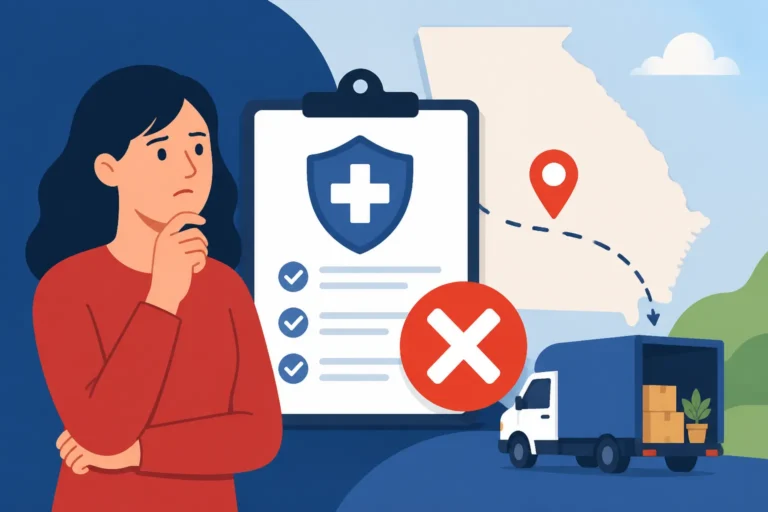
One of the biggest head-scratchers for new arrivals in Georgia is trying to figure out the healthcare system. You hear whispers of "universal healthcare" and naturally, you might assume that as a resident, you'll be covered. The harsh reality, however, often hits when you first need a doctor or visit a pharmacy. This guide is here to untangle the complexities, explain exactly who qualifies for state-funded medical services, and prepare you for the true cost of healthcare as an expat living in Georgia.
Understanding Georgia's Healthcare Landscape for Residents
When you first land in Georgia and start hearing about the healthcare system, terms like "universal healthcare" float around, creating a false sense of security for many expats. It's a common misconception, and frankly, it's easy to get confused. The Georgian healthcare system is a blend of state-funded programs and a robust private sector, but the "universal" part often doesn't extend to the average foreign resident in the way you might expect.
The "Universal Healthcare Program" UHC – What It Is and Isn't
Let's cut right to it: Georgia does have a Universal Healthcare Program (UHC), a genuinely commendable initiative that aims to provide essential medical services to its citizens. This program covers a wide range of services, from primary care visits to specialist consultations, diagnostic tests, and even some planned surgeries and emergency care, often with co-payments. It’s designed to ensure that Georgian citizens have access to necessary medical attention without catastrophic financial burden.
However, and this is where the crucial distinction lies for us expats, the UHC is not universally available to all residents, especially not most foreigners. When people refer to "residents" in the context of UHC eligibility, they're typically referring to Georgian citizens, those with specific types of permanent residency, or certain vulnerable groups defined by the state. This means that if you've moved here on a work permit, as a freelancer with small business status, or simply enjoying your long-term visa-free stay, you are, in most cases, not automatically covered by the UHC. It's a bitter pill to swallow for many, as the idea of "universal" usually implies broader inclusion. If you want to delve deeper, our article on Understanding the Universal Healthcare Program (UHC) in Georgia explains this in much more detail.
Distinguishing Between Public and Private Healthcare Providers
Georgia’s healthcare system operates on two parallel tracks: public (state-funded) and private. For Georgian citizens and those specifically covered by UHC, public hospitals and clinics are their primary access points. These institutions, while providing essential services, often operate with older infrastructure and may have longer wait times or fewer English-speaking staff. They fulfill a critical role for the local population and are continuously being upgraded.
On the other hand, the private healthcare sector in Georgia is thriving, particularly in major cities like Tbilisi and Batumi. This is where most expats find themselves seeking medical care. Private clinics and hospitals, such as PSP Hospital, Aversi Clinic, and Evex Hospitals, are generally well-equipped, modern, and staffed with English-speaking professionals. They offer a much higher standard of comfort, quicker appointments, and a broader range of specialized services. However, these services come at a cost, and without private health insurance, these costs are entirely out-of-pocket. This stark contrast is a key reason why understanding Public vs Private Healthcare in Georgia: What Expats Need to Know is so important.
Who Qualifies for State-Funded Medical Services?
So, if most expats don't get free healthcare, who does? Eligibility for Georgia's state-funded medical services, predominantly through the UHC program, is quite specific:
- Georgian Citizens: This is the primary group. All citizens are entitled to the basic package of UHC services, with varying levels of coverage depending on their income and social status.
- Certain Categories of Permanent Residents: Foreigners who have been granted permanent residency in Georgia may become eligible for state-funded programs, often after a significant period of continuous legal residence. This isn't automatic upon getting a residence permit; it's a specific status.
- Socially Vulnerable Groups: The state also extends UHC benefits to specific categories of socially vulnerable individuals and families, regardless of citizenship, who meet strict income and social criteria. These could include individuals with disabilities, low-income families, or pensioners.
- Children and Pregnant Women: There are specific state programs that provide free or heavily subsidized prenatal care, childbirth services, and essential pediatric care, including vaccinations, for all children and pregnant women residing in Georgia, regardless of citizenship or residency status. This is a vital exception that offers some relief for expat families.
For the vast majority of expats – digital nomads, entrepreneurs, employees, or long-term tourists – you fall outside these categories. Your residence permit, whether it's for work, property ownership, or individual entrepreneur status, typically does not grant you access to the UHC program. This means that for routine check-ups, specialist visits, or unexpected illnesses, you’ll be responsible for the full cost of your medical care, unless you have private insurance. This is why our comprehensive guide on How Expats Access Healthcare in Georgia: The Complete Guide (2027) is so important for new arrivals.
The Reality of Healthcare Costs for Expats and Foreign Residents in Georgia
For most foreigners making Georgia their home, the phrase "free healthcare" is, unfortunately, a myth. While the costs might be lower than in some Western countries, they are certainly not zero. You'll quickly learn that having a good plan for your medical expenses is not just a luxury, but a necessity.
Out-of-Pocket Expenses: The Norm for Most Foreigners
Unless you fall into one of the very specific categories that qualify for state-funded healthcare, every doctor's visit, every prescription, and every diagnostic test will come directly out of your wallet. This can be a shock, especially for those accustomed to systems where even short-term residents might get some basic state coverage. A routine visit to a private GP might cost anywhere from 50 to 100 GEL (roughly $18-$36 USD), depending on the clinic and the doctor's experience. Specialist consultations can be higher, often in the range of 80 to 150 GEL ($30-$55 USD).
Imagine you wake up with a nasty cough and fever. You head to a private clinic in Tbilisi, get seen by a doctor, maybe have a blood test, and walk out with a prescription. That single visit, without insurance, could easily set you back 150-250 GEL ($55-$90 USD) or more. If that cough turns into bronchitis and requires a follow-up, or if you need an X-ray, those costs quickly escalate. This is why Understanding Out-of-Pocket Healthcare Costs in Georgia is so important.
The Essential Role of Private Health Insurance
Given the out-of-pocket reality, private health insurance isn't just a suggestion for expats in Georgia; it's virtually a non-negotiable requirement for peace of mind. Private insurance acts as your financial safety net, covering a significant portion, if not all, of your medical expenses, depending on your plan.
You have a few options when it comes to private health insurance:
- Local Georgian Providers: Companies like GPI Holding, Irao, and Aldagi offer plans specifically tailored to the Georgian market. These plans can be quite affordable and often have direct billing agreements with local private clinics and hospitals, making the process smooth. They might be a good fit if you plan to stay long-term and primarily use local services.
- International Health Insurance: For those who travel frequently, desire broader coverage, or want the option to seek medical care outside of Georgia, international plans are an excellent choice. Providers like SafetyWing cater specifically to digital nomads and remote workers, offering flexible and comprehensive travel medical insurance that can be extended for long-term stays. These plans are designed with the expat lifestyle in mind, often including emergency evacuation and coverage in multiple countries. While generally more expensive, they offer unparalleled flexibility and peace of mind.
Choosing the right insurance plan means carefully weighing your budget against your healthcare needs and lifestyle. It’s a decision that will significantly impact your financial security and access to quality medical care while living here. You can learn more about specific options in our guide to Health Insurance in Georgia: Private and International Options Explained.
Navigating Emergency Care and Hospital Stays
Emergency care is another area where expats need to be particularly aware of the financial implications. In a life-threatening emergency, you will absolutely receive care regardless of your insurance status. Georgian hospitals, both public and private, will not turn away someone in critical condition. However, once stable, the bill for that emergency care, including ambulance services, diagnostics, and treatment, will be entirely your responsibility if you don't have insurance. And let me tell you, those bills can be substantial, quickly running into hundreds or even thousands of GEL for serious incidents or prolonged hospital stays.
For non-life-threatening emergencies, many expats choose to go directly to private clinics or hospitals, bypassing the public system due to perceived better quality and faster service. This decision comes with an immediate financial commitment. If you have private insurance, most plans will cover emergency room visits and subsequent hospital admissions, though often with a deductible or co-payment. Always confirm your insurance provider's specific protocols for emergencies to avoid unexpected costs. Our article on Emergency Medical Care in Georgia: What Every Expat Needs to Know is a must-read for anyone living here.
| Aspect | Universal Healthcare Program (UHC) for Citizens | Expat Reality (without Private Insurance) | Expat Reality (with Private Insurance) |
|---|---|---|---|
| Eligibility | Georgian citizens, specific permanent residents, vulnerable groups, children, pregnant women | Most expats not eligible | Anyone can purchase |
| Cost of Consultations | Often free or low co-pay | 50-150 GEL per visit (out-of-pocket) | Covered as per plan (deductibles/co-pays apply) |
| Prescription Medications | Partially subsidized for certain conditions | Full price (out-of-pocket) | May be covered or partially covered |
| Diagnostic Tests (MRI, X-ray) | Covered with co-pay | 100-800+ GEL (out-of-pocket) | Covered as per plan |
| Emergency Care | Covered with co-pay | Full cost (out-of-pocket), can be high | Covered as per plan (may have specific limits) |
| Planned Surgeries | Covered with co-pay (often long waitlists) | Full cost (out-of-pocket), very high | Covered as per plan |
| Hospital Stays | Covered with co-pay | Full cost (out-of-pocket), very high | Covered as per plan |
| Quality of Facilities | Varies, some modern, some older infrastructure | High quality, modern facilities | High quality, modern facilities |
| English Speaking Staff | Limited | Often available | Often available |
Practical Steps for Expats to Manage Healthcare Costs
Living in Georgia as an expat means being proactive about your healthcare. You can’t rely on the state to pick up the tab for most of your medical needs, but that doesn’t mean you’re left entirely to fend for yourself. With a bit of planning and research, you can navigate the system effectively and keep costs manageable.
Choosing the Right Health Insurance Plan
This is probably the most crucial step for any expat in Georgia. Don't just grab the cheapest option; spend time really understanding what each plan offers. When you're looking at plans, whether from local providers like Irao or international ones like SafetyWing, consider these points:
- Coverage Limits: What's the maximum payout for consultations, hospital stays, and surgeries? Are there sub-limits for specific treatments or conditions?
- Deductibles and Co-payments: A deductible is what you pay out of pocket before your insurance kicks in. A co-payment is a fixed amount you pay for a service even after your deductible is met. Lower deductibles mean higher premiums, but less out-of-pocket expense per incident.
- Network of Providers: Does the insurance work with the clinics and hospitals you prefer? Many local plans have direct billing agreements, which makes life much easier.
- Inpatient vs. Outpatient: Inpatient care covers hospital stays. Outpatient covers doctor visits, diagnostics, and prescriptions. Make sure your plan covers both adequately, as even minor illnesses can require several outpatient visits.
- Maternity and Chronic Conditions: If you plan to start a family or have existing chronic conditions, check for specific coverage. These often have waiting periods or exclusions.
- Emergency Evacuation: For international plans, this can be a lifesaesaver if you need to be transported to another country for specialized treatment not available in Georgia.
Remember, the goal is to find a balance between comprehensive coverage and affordability. Don't wait until you're sick to start looking; it's a stressful time to be making critical decisions. For a deeper dive into your options, check out How to Buy Private Health Insurance After Moving to Georgia.
Finding Affordable English-Speaking Doctors and Clinics
Once you have insurance, or even if you’re currently without it, knowing where to go for care is essential. Tbilisi and Batumi, being the major expat hubs, offer a good selection of private clinics with English-speaking staff.
- Ask for Recommendations: Expats are often the best resource. Join local expat Facebook groups or ask friends for their trusted doctor recommendations. You'll hear names like MediClub, PSP, Aversi, and Evex pop up regularly.
- Utilize Online Search: Websites like Doctors.ge allow you to search for doctors by specialty and sometimes even language. Many private clinics have their own websites (often in English) where you can browse doctor profiles.
- Clinic Chains: Large private clinic chains often have multiple branches across the city, increasing your chances of finding one conveniently located and with available English-speaking staff. They usually have receptionists who speak good English to help with appointments.
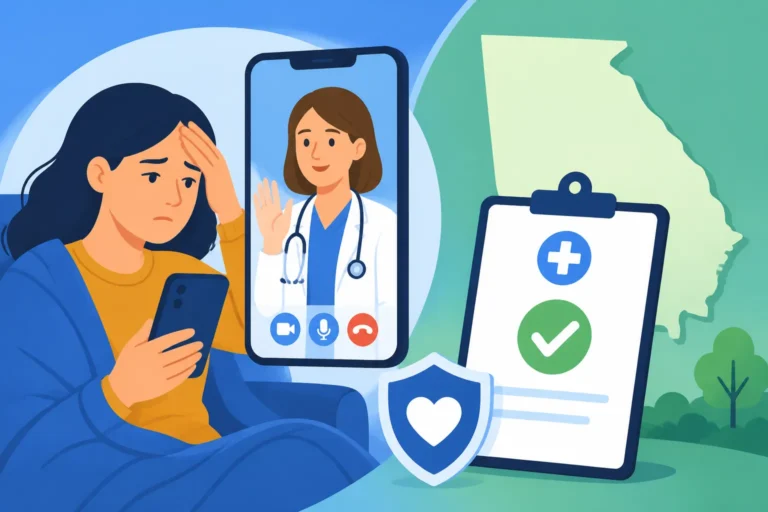
- Telemedicine Options: Some clinics offer online consultations, which can be a convenient and sometimes more affordable first step for minor issues.
While private clinics generally cost more than public ones, the peace of mind that comes with clear communication and efficient service is often worth the investment. To learn more about navigating this, our guide on How to Find an English-Speaking Doctor in Georgia provides practical tips.
Budgeting for Unexpected Medical Needs
Even with insurance, you might face co-payments, deductibles, or treatments not fully covered. Plus, if you're in that initial period without insurance, every medical expense is a direct hit. It's smart to budget for these possibilities.
- Emergency Fund: Consider setting aside a dedicated emergency fund specifically for medical needs. Even a few hundred dollars can cover a GP visit, some tests, and medication for a common illness.
- Understand Average Costs: Familiarize yourself with the average costs of common procedures. A typical doctor's visit is around 50-100 GEL. A basic blood test might be 30-70 GEL. Knowing these averages helps you anticipate expenses. You can find more detailed cost breakdowns in The Cost of Healthcare in Georgia: A Complete Breakdown for Foreigners (2026).
- Negotiate (Sometimes): In some private clinics, for larger, uninsured procedures, there might be a small margin for negotiation, especially if paying in cash. This is less common for routine visits, but it doesn't hurt to politely ask about payment options or packages.
- Pharmacy Costs: Medications in Georgia are generally affordable compared to many Western countries, and you can buy many common drugs, including some antibiotics, over the counter without a prescription. However, more specialized medications will require a doctor's note and can still add up. Always get an itemized receipt for insurance claims.
Ultimately, while healthcare in Georgia isn't "free" for the majority of expats, it is accessible, and with proactive planning, you can ensure you receive the care you need without undue financial stress.
Disclaimer
The information provided in this guide is for general informational purposes only and does not constitute medical, legal, or financial advice. Healthcare policies and regulations in Georgia can change, and individual situations may vary. It is highly recommended to consult with a qualified healthcare provider, insurance professional, or legal expert for advice tailored to your specific circumstances.