Do Expats Get Universal Healthcare in Georgia?
Moving to Georgia, many of us expats arrive with a certain assumption, often from our home countries, that a "universal healthcare" system means everyone, regardless of nationality or residency status, gets coverage. It’s a completely natural thought, especially when you hear the term floating around. However, the reality on the ground here in Georgia can be a bit more nuanced and, frankly, often a source of confusion and even anxiety for newcomers. This guide is going to strip away the assumptions and lay out exactly how healthcare works for expats like us, focusing specifically on Georgia’s Universal Healthcare Program.
Unpacking Georgia's Universal Healthcare Program (UHC) for Foreigners
When you first hear about Georgia's Universal Healthcare Program (UHC), it sounds wonderfully inclusive, doesn't it? The idea of a public system designed to ensure all citizens have access to essential medical services is certainly a noble one. But, like many things in the expat world, the devil is often in the details, and what's "universal" for citizens doesn't always extend seamlessly to foreigners residing here.
The Reality of UHC Eligibility for Expats
Let's get straight to it: for the vast majority of expats living in Georgia, the Universal Healthcare Program, as it applies to citizens, is not automatically available. This can be a hard pill to swallow, especially if you're coming from a country where public healthcare is a given for all residents. The UHC in Georgia is primarily geared towards Georgian citizens. It's a comprehensive state-funded program that covers a wide range of medical services, from primary care to specialized treatments and emergency interventions, largely for the local population.
While there are some specific, very limited categories of permanent residents or those with particular vulnerabilities who might qualify for certain state-funded health programs, these exceptions are quite rare for the typical expat arriving for work, business, or lifestyle changes. So, if you're here on a work permit, a short-term residence permit based on property, or simply enjoying your visa-free stay, you generally won't find yourself enrolled in the UHC system that Georgian nationals benefit from. This often leads to that sinking feeling of "Wait, so I'm not covered?", which is a perfectly valid frustration to feel, given the lack of clear information when you first arrive. It's crucial to understand this distinction early on to avoid any nasty surprises down the line. To dive deeper into the overarching system, you might want to read about How Georgia's Health System Works: Universal Healthcare and Private Care Explained (2027).
What UHC Might Cover for Non-Citizens and the Limitations
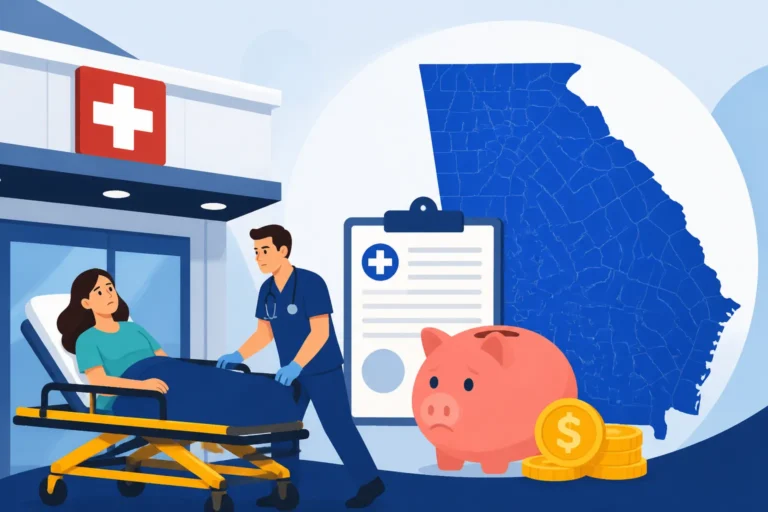
So, if full UHC isn't on the table for most of us, what about emergency situations? This is where things can get a little fuzzy. Generally speaking, in a genuine, life-threatening emergency, you will receive care in a Georgian hospital, regardless of your insurance status or nationality. Nobody is going to turn you away if you're having a heart attack or a serious accident. The immediate goal will be stabilization and essential treatment. However, and this is a big "however," this doesn't mean it's free. The costs incurred during such emergency care, including ambulance services, diagnostics, treatments, and any subsequent hospitalization, will most likely be your responsibility.
This is a critical distinction: access to emergency care is not the same as being covered by the UHC program. If you find yourself in a public hospital emergency room, you'll still be expected to pay for the services rendered. For anything beyond immediate life-saving interventions – think follow-up appointments, specialist referrals, non-urgent surgeries, or even extensive diagnostic tests for a chronic condition – you'll typically be looking at out-of-pocket expenses or relying entirely on private insurance. This is a common point of confusion, and it highlights why having a solid private health insurance plan is not just a good idea, but an absolute necessity for expats in Georgia. The limitations of UHC for foreigners mean that without private coverage, every medical appointment, every prescription, and every test becomes a direct expense, which can quickly add up. Understanding these limitations is key to making informed decisions about your health while living here. You can explore more about the accessibility of emergency services in Emergency Medical Care in Georgia: What Every Expat Needs to Know.
Navigating Healthcare Options Beyond UHC as an Expat
Since the state-funded Universal Healthcare Program largely isn't a viable option for most expats, it means we need to be proactive and look at other avenues to safeguard our health. Thankfully, Georgia has a robust private healthcare sector and, for many, the costs are surprisingly manageable, especially compared to Western countries. This makes private solutions not just a luxury but a sensible necessity.
The Indispensable Role of Private Health Insurance
For most expats, private health insurance is your primary and most reliable safety net in Georgia. It's not an optional extra; it’s fundamental. Without it, you’re exposing yourself to potentially significant financial burdens should you face an unexpected illness or injury. You have a couple of main routes here: local Georgian private insurance providers or international health insurance plans. Local plans, often offered by Georgian companies like GPI Holding or Ardi, can be quite comprehensive for in-country care and are generally more affordable than their international counterparts. They typically cover doctor visits, diagnostics, medications, and hospitalizations within Georgia’s private clinics and hospitals. The downside can sometimes be a lack of English-speaking support or limitations if you need medical care outside of Georgia.
International health insurance plans, on the other hand, offer broader coverage that travels with you, often including repatriation or evacuation benefits, and the flexibility to seek treatment in other countries if needed. They tend to be more expensive but provide peace of mind for those who travel frequently or want broader options. For digital nomads or those in transitional phases, providers like SafetyWing offer flexible, travel-based insurance that can bridge gaps or serve as a good starting point when you first land in Georgia. It’s designed for the nomadic lifestyle, covering emergencies and some basic medical needs, making it a popular choice for short-term stays or while you’re settling in and figuring out a more permanent solution. It's crucial to remember that while options like SafetyWing are excellent for their flexibility and coverage for unexpected events, they might not offer the full, long-term, comprehensive coverage that a dedicated resident health insurance plan would. The key is to find a plan that aligns with your specific needs, residency status, and how much you travel. Learning about Health Insurance in Georgia: Private and International Options Explained can help you decide.
Understanding Out-of-Pocket Costs and Direct Payments
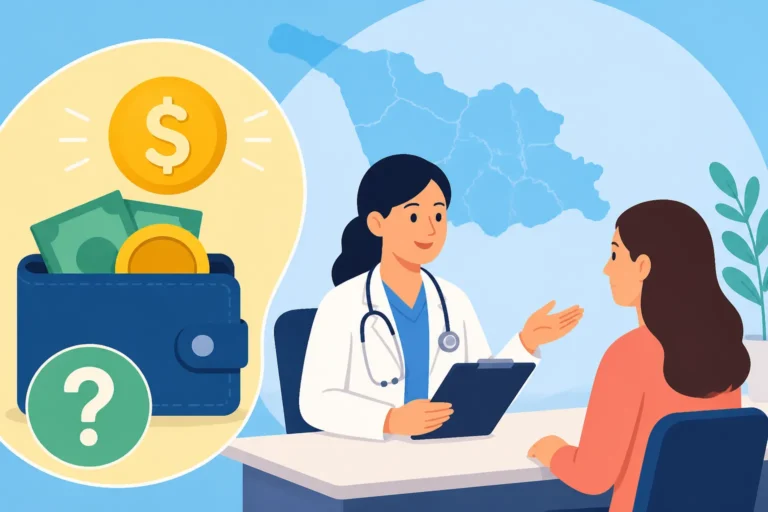
Even with private insurance, or perhaps especially if you're without it, understanding out-of-pocket costs and the culture of direct payments in Georgia is vital. For minor ailments, a simple doctor's visit at a private clinic, or a quick trip to the pharmacy, many expats choose to pay cash directly. This isn't just for those without insurance; sometimes the cost of a single consultation is less than your insurance deductible, making direct payment a more economical choice. For example, a consultation with a general practitioner in a reputable private clinic in Tbilisi can range from 50 to 100 GEL, depending on the clinic and the doctor’s specialty. Specialist consultations might be slightly higher, perhaps 80-150 GEL. Diagnostic tests like blood work or X-rays are also surprisingly affordable compared to many Western nations.
This affordability in the private sector is one of Georgia's hidden gems for expats, making it possible for some to manage their routine healthcare without comprehensive insurance, relying instead on paying as they go. However, this strategy comes with significant risks. While a sprained ankle or a common cold might be manageable, a serious illness, an accident requiring surgery, or a chronic condition demanding ongoing treatment can quickly deplete your savings. Imagine a sudden appendicitis needing immediate surgery – the costs could easily soar into thousands of GEL, far more than most people can comfortably pay out-of-pocket on short notice. So, while direct payment works for minor issues, it’s not a substitute for proper insurance for major medical events. It’s also important to note that many clinics in larger cities like Tbilisi and Batumi accept card payments, but it’s always wise to carry some cash, just in case. For a detailed breakdown of expenses, check out The Cost of Healthcare in Georgia: A Complete Breakdown for Foreigners (2026). You might also be curious about Why Georgia Has Affordable Private Healthcare: The Expat Guide (2027).
Here's a quick comparison of the two main healthcare approaches for expats:
| Feature | Universal Healthcare Program (UHC) for Expats | Private Health Insurance / Out-of-Pocket |
|---|---|---|
| Eligibility | Generally NOT available for most expats. | Accessible to all expats. |
| Coverage Scope | Very limited, mostly severe emergencies (often with payment expected later). | Comprehensive for routine, specialist, diagnostic, and emergency care. |
| Cost | State-funded for citizens; out-of-pocket for non-citizens. | Monthly/annual premiums for insurance; direct payment for services. |
| Provider Choice | Public hospitals/clinics. | Wide choice of private hospitals/clinics, often with English-speaking staff. |
| Peace of Mind | Low, due to limited access and potential high emergency costs. | High, with financial protection and broader access to care. |
| Administrative Burden | Low (if eligible); high (if trying to navigate as non-eligible). | Moderate (claims process); low (direct payment). |
| Language Barrier | Often present in public sector. | Less common in expat-focused private clinics. |
Practical Steps for Expats to Access Medical Care in Georgia
Alright, so we've established that private insurance or paying out-of-pocket is your reality. Now, let's talk about the practicalities of actually getting medical care when you need it. Navigating a new healthcare system, especially in a foreign language, can feel like a maze. But with a bit of preparation and knowing what to expect, it becomes much less daunting.
Finding English-Speaking Doctors and Clinics
One of the biggest anxieties for expats seeking medical care is the language barrier. You want to be able to clearly articulate your symptoms and understand your diagnosis and treatment plan without relying on Google Translate or hand gestures. Thankfully, in major cities like Tbilisi, Batumi, and Kutaisi, there are numerous private clinics and hospitals that cater to the international community, employing English-speaking doctors and staff. When looking for a doctor, asking for recommendations from fellow expats in local Facebook groups is usually a goldmine of information. Popular private clinics in Tbilisi include Evex Medical Corporation, which has multiple branches, and MediClub Georgia, known for its various specialists. These larger institutions often have international patient departments or at least dedicated English-speaking coordinators.
It’s a good idea to identify a general practitioner or family doctor you feel comfortable with soon after arriving, even if you’re not immediately sick. This allows you to establish a relationship before an urgent need arises. You can often book appointments online or by calling the clinic directly. Don’t hesitate to ask upfront if English-speaking staff are available when you call to book. For more advice on this, check out How to Find an English-Speaking Doctor in Georgia.
Emergency Situations and Hospital Access
Despite your best planning, emergencies can happen. Knowing what to do when you need urgent medical attention is crucial. In Georgia, the universal emergency number is 112, which connects you to police, fire, and ambulance services. When calling 112, try to speak slowly and clearly, stating your location and the nature of the emergency. While the operators may have some English capability, having a local Georgian speaker nearby to assist, if possible, can be incredibly helpful.
For non-life-threatening but urgent situations, many private clinics have urgent care departments that operate similar to walk-in clinics in other countries. For serious emergencies, you’ll likely be taken to a public hospital first for stabilization, even if you have private insurance. Once stabilized, if your insurance covers it and the situation allows, you may be transferred to a private hospital. Major private hospitals like American Hospital Tbilisi or the various branches of Evex Medical Corporation have modern facilities and are well-equipped to handle a wide range of medical conditions. Always have your insurance card and a form of ID readily accessible, as hospitals will need this information for registration and billing. Remember, even in an emergency, costs will be incurred, so your private insurance is your best friend here. For a detailed guide on emergency services, refer to Understanding Emergency Numbers (112) and Ambulance Care in Georgia.
Pharmacy System and Prescription Medications
The pharmacy system in Georgia is generally quite good and, for many expats, pleasantly surprising. Pharmacies are abundant, especially in urban areas, and often operate 24/7. Popular chains like PSP, GPC, and Aversi are widespread and well-stocked. One common observation is that many medications that require a prescription in Western countries, such as certain antibiotics or stronger pain relievers, can often be purchased over the counter here without a doctor's note. This isn't universally true for all medications, especially highly regulated ones, but it’s a notable difference.
When purchasing medications, it’s helpful to know the generic name of the drug, as brand names can differ. If you have a prescription from your home country, bringing it with you and showing it to a pharmacist (or an English-speaking doctor first for a local prescription) can be useful. Most pharmacists are helpful, and in tourist areas or larger city pharmacies, you might find some who speak English. If you’re on long-term medication, it’s always best to consult with a local Georgian doctor to ensure continuity of care and understand the exact local equivalents. Stocking up on essential over-the-counter items for your basic first-aid kit, like pain relievers, bandages, and antiseptic, is also a smart move when you first arrive. You can read a lot more about navigating this in Prescription Medications and Pharmacies in Georgia: The Complete Guide.
The Long-Term Perspective: Planning Your Expat Healthcare Journey
Living in Georgia is a long-term commitment for many, and your healthcare needs will evolve with your residency status and personal circumstances. It's not a "set it and forget it" situation; ongoing awareness and adaptation are key to staying healthy and financially secure.
Considering Your Residency Status and Healthcare Needs
As an expat, your residency status, whether you're here on a visa-free stay, a short-term residence permit, or even aiming for permanent residency, will subtly influence your healthcare planning, even if it doesn't directly grant you UHC access. For example, some residence permit applications might require a health certificate, although this doesn't translate into state coverage. Understanding that the longer you plan to stay, the more comprehensive your health coverage should be, is a critical insight. A short-term travel insurance policy, like those offered by SafetyWing, might be perfectly adequate for a few months, covering unexpected incidents. It provides a foundational layer of protection for nomads and new arrivals, ensuring that sudden illnesses or accidents don't turn into financial catastrophes. However, as your stay extends, and you start relying on local doctors for routine check-ups, specialist visits, or managing chronic conditions, a more robust, long-term private health insurance policy becomes indispensable.
Your healthcare needs also change. Are you single, or do you have a family? Do you plan to have children? Are there any pre-existing conditions you need managed? All these factors should feed into your insurance choices. Don't fall into the trap of thinking a flexible travel policy is enough for multi-year residency. It’s a good bridge, absolutely, but a bridge eventually leads to solid ground. You should proactively reassess your coverage as your life in Georgia unfolds. Your residency status can indeed affect how you interact with the system, and it's well worth understanding How Your Residence Status Affects Health Coverage in Georgia.
Making Informed Decisions About Health Coverage
Ultimately, the onus of securing adequate healthcare coverage as an expat in Georgia falls squarely on your shoulders. The clear takeaway is this: Do not rely on Georgia's Universal Healthcare Program for your routine or even critical medical needs as an expat. Your best course of action is to invest in private health insurance. When choosing a policy, whether local or international, carefully read the fine print. Understand what is covered, what is excluded, the deductible amounts, and the claims process. Don't be afraid to ask insurance providers direct questions about expat coverage. Consider what matters most to you: comprehensive coverage, low premiums, a wide network of doctors, or international portability.
It’s always a wise move to factor healthcare costs – both insurance premiums and potential out-of-pocket expenses – into your overall cost of living budget for Georgia. Being prepared ensures that you can enjoy your life here without the constant worry of an unexpected medical bill. Georgia offers a fantastic quality of life, and its private healthcare sector is very accessible, but taking responsibility for your own coverage is the single most important step you can take to make your expat journey here a healthy and happy one. If you're still wondering about the necessity, you can learn more about Do I Need Private Health Insurance in Georgia?. For a wider view, check out The Complete Guide to Healthcare in Georgia for Expats (2027).
Disclaimer
The information provided in this guide is for general informational purposes only and does not constitute medical, legal, or financial advice. Healthcare policies and regulations in Georgia can change, and individual circumstances vary. It is strongly recommended to consult with a qualified insurance professional, healthcare provider, or legal expert in Georgia for personalized advice regarding your specific health coverage needs and residency status.