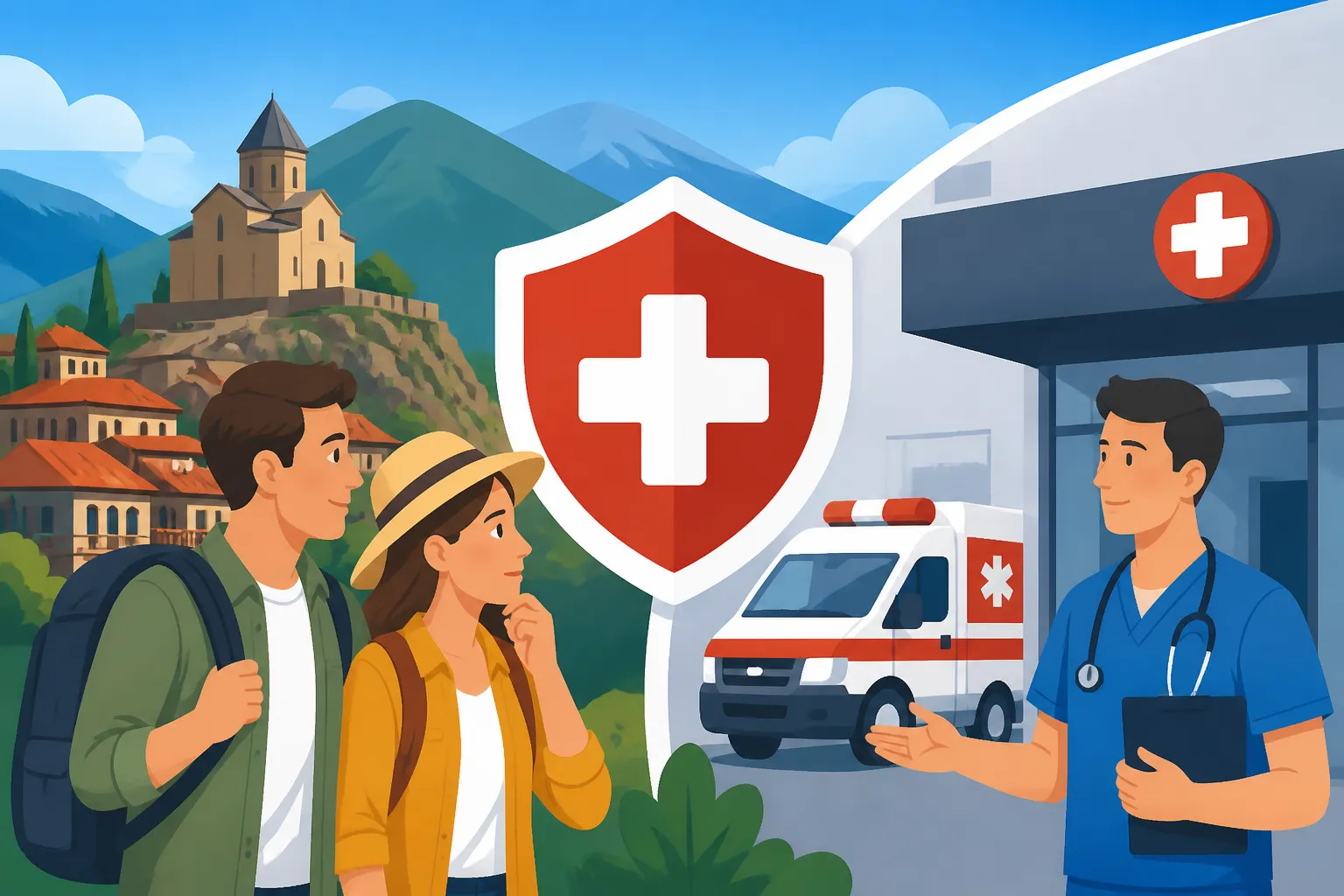
Can Tourists Access Emergency Care in Georgia?
Let's be honest, arriving in a new country, especially as a tourist, often comes with a subtle hum of anxiety in the back of your mind: "What if something goes wrong? What if I get sick or have an accident?" Navigating a medical emergency in an unfamiliar healthcare system, potentially with language barriers, can feel overwhelming. This comprehensive guide is here to cut through the confusion and give you a realistic, practical roadmap for accessing emergency care as a tourist in Georgia.
Understanding Georgia's Emergency Healthcare System for Tourists
When you're exploring the ancient streets of Tbilisi or hiking in the breathtaking Caucasus mountains, the last thing you want to think about is a medical emergency. But knowing how the system works can save you a world of stress and, potentially, time when every second counts. Georgia has a dual-track healthcare system with both public and private options, and this extends to emergency services as well.
The 112 Emergency Number and What to Expect
Just like in many other parts of the world, Georgia has a unified emergency number: 112. This is your go-to number for everything from police and fire to, crucially, medical emergencies. When you dial 112, you'll reach a central dispatch that will connect you to the appropriate service. One of the biggest fears for tourists is the language barrier, and while it's true that not everyone in Georgia speaks fluent English, the 112 operators usually have English speakers available to assist foreigners. Speak slowly and clearly, state your location as precisely as possible, and describe the nature of the emergency. Don't underestimate the stress of trying to communicate complex medical symptoms in a second language, so having a few key phrases or a translation app ready can be incredibly helpful.
Once the ambulance is dispatched, it generally arrives quite promptly, especially in major cities like Tbilisi or Batumi. The paramedics will assess the situation, provide immediate first aid if necessary, and transport you to the nearest appropriate hospital. They are well-trained to handle critical situations, but remember, ambulance services in Georgia are primarily for genuine emergencies – life-threatening situations, severe injuries, or acute medical conditions that require immediate intervention and transport. Don't call 112 for a common cold or a minor scrape; that's when you'd seek out a clinic or pharmacy. To delve deeper into how these services operate, you might want to read our guide on Understanding Emergency Numbers (112) and Ambulance Care in Georgia.
Public vs. Private Emergency Facilities
After the ambulance arrives, you'll likely be taken to one of Georgia's hospitals. This is where the distinction between public and private facilities becomes particularly relevant for tourists. Public hospitals in Georgia are the backbone of the emergency care system, especially for severe trauma cases and general life-saving interventions. They are equipped to handle serious accidents, critical illnesses, and often have specialized departments. However, the patient experience, comfort levels, and English proficiency of staff can vary significantly compared to private institutions. Waiting times can also be longer, especially for non-life-threatening conditions, as public hospitals prioritize the most critical cases.
On the other hand, Georgia boasts a growing number of modern private clinics and hospitals that often feature dedicated emergency departments. These private facilities, such as the Ingorokva Clinic or New Hospitals in Tbilisi, are generally preferred by expats and tourists due to their higher standards of comfort, more advanced equipment, and a greater likelihood of finding English-speaking doctors and nurses. While they provide excellent care, they also come with a higher price tag. For less severe but urgent issues that don't warrant an ambulance, many private clinics offer walk-in urgent care services during business hours. Knowing this distinction can help you make informed decisions, especially if you have the option of choosing where to go, which might happen if your emergency isn't so critical that the ambulance dictates the destination.
The All-Important Role of Travel Insurance
Let me be absolutely clear: if you are travelling to Georgia as a tourist, having comprehensive travel insurance is not just a good idea, it's a non-negotiable necessity. I've seen too many stories of people getting caught out by unexpected medical bills, and it’s an awful situation to be in when you’re far from home.
Why Travel Insurance Isn't Just a Recommendation, It's a Necessity
Imagine you’re enjoying a hike in Svaneti, trip and fall, and end up with a broken ankle. Or perhaps you develop a sudden, severe stomach ailment that requires immediate hospitalization. Without travel insurance, every single cost – from the ambulance ride and emergency room fees to consultations, diagnostic tests, medications, and potential surgery – will fall squarely on your shoulders. These costs, while often more affordable than in Western Europe or North America, can still quickly run into hundreds or even thousands of Lari, turning your dream vacation into a financial nightmare. Our detailed breakdown of The Cost of Healthcare in Georgia: A Complete Breakdown for Foreigners (2026) can give you a clearer picture of potential expenses.
The financial strain is immense, but so is the emotional and logistical stress. Trying to communicate with hospital billing departments in a foreign language while in pain, worrying about how to pay, and potentially having your passport held until bills are settled (which, thankfully, is rare but can be a concern if payments are delayed) is not how anyone wants to spend their time abroad. This is where robust travel insurance comes in. Companies like SafetyWing, which caters specifically to digital nomads and long-term travelers, can be an excellent option as they understand the unique needs of those spending extended periods abroad and offer comprehensive emergency medical coverage. They make the process of getting insured straightforward, which is a huge relief when planning an adventure.
What Your Travel Insurance Should Cover for Emergency Care
Not all travel insurance policies are created equal, so it's vital to scrutinize the fine print before you travel. For emergency care in Georgia, your policy absolutely must cover emergency medical treatment. This means coverage for doctor visits, hospital stays, surgical procedures, and prescription medications directly related to the emergency. Beyond that, look for coverage for emergency medical evacuation. In a severe situation, especially if you're in a remote area of Georgia, you might need to be transported to a more advanced medical facility in Tbilisi or even repatriated to your home country. This can be astronomically expensive without insurance, easily costing tens of thousands of dollars.
Another critical aspect to check is how your insurance company handles payments. Some policies offer direct billing, where the insurance company settles the bill directly with the hospital. Others operate on a "pay and claim" model, meaning you pay upfront and then submit receipts for reimbursement. For emergency care, direct billing is always preferable, as it removes the immediate financial burden from you. Companies like SafetyWing are well-regarded for their clear processes and support, often offering robust emergency medical coverage that includes evacuation and repatriation, which is a big comfort when you're a tourist far from home. Always carry your insurance policy details, contact numbers, and policy number with you – ideally both a physical copy and a digital one on your phone. You can learn more about choosing the right coverage in our guide to Health Insurance in Georgia: Private and International Options Explained.
Practical Steps for Tourists in a Medical Emergency
So, you're a tourist, something's happened, and you need help. Panic is a natural reaction, but taking a few deep breaths and following some practical steps can make a huge difference in the outcome.
Initial Steps: Calling for Help and Communicating
The very first step, if it's a genuine emergency, is to dial 112. As mentioned, aim to speak slowly and clearly. If English isn't working, try basic Russian if you know any, as it's still widely understood by many in Georgia, especially older generations. If you're with someone, have them call while you stay with the patient. Make sure you can provide a precise location – a street address, landmarks, or even GPS coordinates if you're in a remote area. Georgian SIM cards are cheap and easy to acquire, so having a local number with data can be a lifesaver for navigation and communication.
While waiting for help, gather essential documents. Your passport is crucial for identification and hospital registration. Have your travel insurance details – policy number, emergency contact phone number for your insurer – readily accessible. If you have any known medical conditions, allergies, or are taking regular medications, try to have this information written down or stored on your phone in a universally understood format, perhaps even translated into Georgian. This crucial information can significantly speed up diagnosis and treatment once you're at the hospital.
What Happens at the Emergency Room
Once you arrive at the emergency room, the process will generally begin with registration. You'll need to present your passport and provide contact information. Be prepared for some paperwork, even in an emergency. After registration, you'll undergo an initial assessment, known as triage, to determine the severity of your condition and prioritize treatment. Life-threatening conditions will be seen immediately, while less urgent cases may involve a wait. This is standard procedure in most emergency rooms worldwide.
Payment expectations are a significant point for tourists. While public hospitals will provide life-saving care regardless of your ability to pay upfront, for non-life-threatening emergencies, or at private hospitals, you may be asked for payment or a guarantee of payment (from your insurance) before extensive treatment begins. This is particularly true if you don't have insurance or if your insurer doesn't have a direct billing agreement. This can be incredibly frustrating and upsetting when you're feeling vulnerable. Be prepared for the possibility of having to pay out-of-pocket and then claiming reimbursement from your insurance, which makes having a credit card with sufficient limits essential. Many tourists often wonder, How Much Does an Emergency Room Visit Cost in Georgia? and the answer is it varies widely based on the facility and your condition, but it's rarely "free" for tourists. If you are struggling with communication, don't hesitate to ask for someone who speaks English. While not guaranteed, many larger private hospitals and clinics, especially in Tbilisi, will have staff or even dedicated interpreters for foreign patients.
Follow-up Care and Leaving the Hospital
Once the immediate emergency is handled, and you're stable, the next steps involve follow-up care and the discharge process. If you need further medical attention, such as specialist consultations, wound care, or physical therapy, the hospital will usually provide recommendations or referrals. For prescription medications, you'll receive a prescription that can be filled at any pharmacy (Aptiek in Georgian). Pharmacies are plentiful in Georgia, often open 24/7 in major cities, and many pharmacists have a basic understanding of English. Our guide on Prescription Medications and Pharmacies in Georgia: The Complete Guide has more information.
Upon discharge, you'll receive your medical records, including a summary of your diagnosis, treatment, and any follow-up instructions. Make sure you get copies of everything – original invoices, medical reports, test results – as you'll need these to submit your insurance claim. Your travel insurance provider, like SafetyWing, should be contacted as soon as possible after the emergency, if not during it, to guide you through the claims process. They can explain what documentation is required and how to submit it for reimbursement. Navigating How to Claim Reimbursement from Private Insurance in Georgia effectively means keeping meticulous records.
Common Emergency Scenarios and How Tourists Cope
Understanding the different types of emergencies and where to seek help can save you precious time and resources, ensuring you get the right care without unnecessary stress.
Minor Injuries and Illnesses vs. Life-Threatening Events
It's crucial to differentiate between a true medical emergency and a minor ailment or injury that can be handled through less drastic means. A life-threatening event – like a suspected heart attack, stroke, severe trauma from an accident, or unconsciousness – absolutely warrants a call to 112. For these situations, the ambulance is equipped to provide immediate, critical care and rapid transport to an emergency room.
However, many tourist "emergencies" are not life-threatening but are still urgent. Think a sprained ankle, a nasty cut that needs stitches, a severe flu, or a sudden allergic reaction (if not anaphylactic). For these, you might not need an ambulance. Instead, you can often head directly to the emergency department of a private hospital or an urgent care clinic (some private clinics offer these services). This approach can often lead to shorter wait times and a more comfortable experience, especially if you prioritize finding an English-speaking doctor. For less urgent concerns, such as a persistent cough, ear infection, or needing a refill on routine medication (though best to bring enough with you), you'd typically look for a general practitioner or a private clinic that offers scheduled appointments. Finding an English-speaking doctor can be a relief, and our guide, How to Find an English-Speaking Doctor in Georgia, provides excellent advice.
Language Barriers and Cultural Considerations in Georgian Healthcare
Ah, the infamous language barrier. It's a reality in Georgia, and while many younger Georgians, particularly in tourist areas and big cities, speak English, it's far from universal in all healthcare settings. This can be a major source of frustration and anxiety when you're unwell or injured. In a crisis, trying to explain complex symptoms while feeling ill and disoriented is genuinely tough.
My advice? Always have a translation app downloaded and ready on your phone (Google Translate works well, allowing you to speak into it and play the Georgian translation). Learn a few basic phrases like "I need a doctor" (mek’arghvet'i eq'imi) or "I am in pain" (tk'ivili maq'vs). If you're traveling with someone, designate them as the primary communicator. In larger private hospitals, you might find staff who can assist with translation, or they may even offer interpreter services. Culturally, Georgians are generally very warm and hospitable, but in a medical setting, directness might be perceived differently. Don't be afraid to clearly state your needs or ask for clarification, even if it feels repetitive. Remember, the goal is clear communication for your health and safety. The overall process of How Expats Access Healthcare in Georgia: The Complete Guide (2027) touches on these cultural nuances more broadly.
Here's a quick reference table to help you navigate emergency care:
| Service/Action | Description & Purpose | Key Considerations for Tourists |
|---|---|---|
| Dialing 112 | Unified emergency number for police, fire, ambulance. For life-threatening medical emergencies (e.g., heart attack, severe accident, unconsciousness). | English operators usually available. Speak clearly, provide precise location. Only for true emergencies. Be prepared to state your condition simply. |
| Public Hospitals | Main emergency care providers, especially for severe trauma. Often receive ambulance transfers. | Potentially longer wait times for non-critical cases. English proficiency of staff varies. Basic care guaranteed, but comfort/amenities might be less than private options. |
| Private Hospitals | Offer modern emergency departments/urgent care clinics (e.g., Ingorokva Clinic, New Hospitals). Preferred by many foreigners for better facilities and English-speaking staff. | Higher costs. May require upfront payment if no direct billing with insurance. Better comfort and potentially shorter waits for urgent but non-life-threatening issues. |
| Travel Insurance | Covers emergency medical treatment, evacuation, and repatriation. Essential for avoiding high out-of-pocket costs. | Crucial for all tourists. Check policy for direct billing vs. reimbursement, emergency evacuation limits, and exclusions. Carry policy details at all times. Companies like SafetyWing are great for comprehensive coverage for travelers. Without it, you could face What Happens If I Get Sick Without Insurance in Georgia? scenarios. |
| Language Barrier | English isn't universally spoken, especially outside major tourist hubs and in some public facilities. | Use translation apps. Learn basic medical phrases. Ask for English speakers. In private clinics, there's a higher chance of finding multilingual staff. |
| Documentation | Passport, travel insurance details, list of medical conditions/medications. | Keep these readily accessible. Digital and physical copies are best. Essential for registration and claim processing. |
| Follow-up Care | Obtaining prescriptions, scheduling specialist visits, wound care post-emergency. | Get all medical records and invoices for insurance claims. Pharmacies are widespread and accessible. For general questions about costs, see Understanding Out-of-Pocket Healthcare Costs in Georgia. |
Ultimately, yes, tourists can absolutely access emergency care in Georgia. The system is there to support you, from calling 112 for critical situations to seeking out private clinics for urgent but less severe concerns. The key takeaways for any visitor are preparedness through comprehensive travel insurance, knowing the emergency number, and having a plan for overcoming potential language barriers. Armed with this knowledge, you can explore Georgia with a little more peace of mind, knowing you're ready for most eventualities. For a broader overview of the healthcare system, our The Complete Guide to Healthcare in Georgia for Expats (2027) is a valuable resource. For specific details on how to deal with an emergency, refer to Emergency Medical Care in Georgia: What Every Expat Needs to Know. You might also be curious Can I Use International Health Insurance at Georgian Hospitals? and the answer is generally yes, but with varying degrees of ease depending on the hospital and your insurer.
Disclaimer
The information provided in this guide is intended for general informational purposes only and does not constitute professional medical, legal, or financial advice. While we strive to keep the information up-to-date and accurate, regulations and services in Georgia can change. Always consult with qualified professionals for advice tailored to your specific situation.