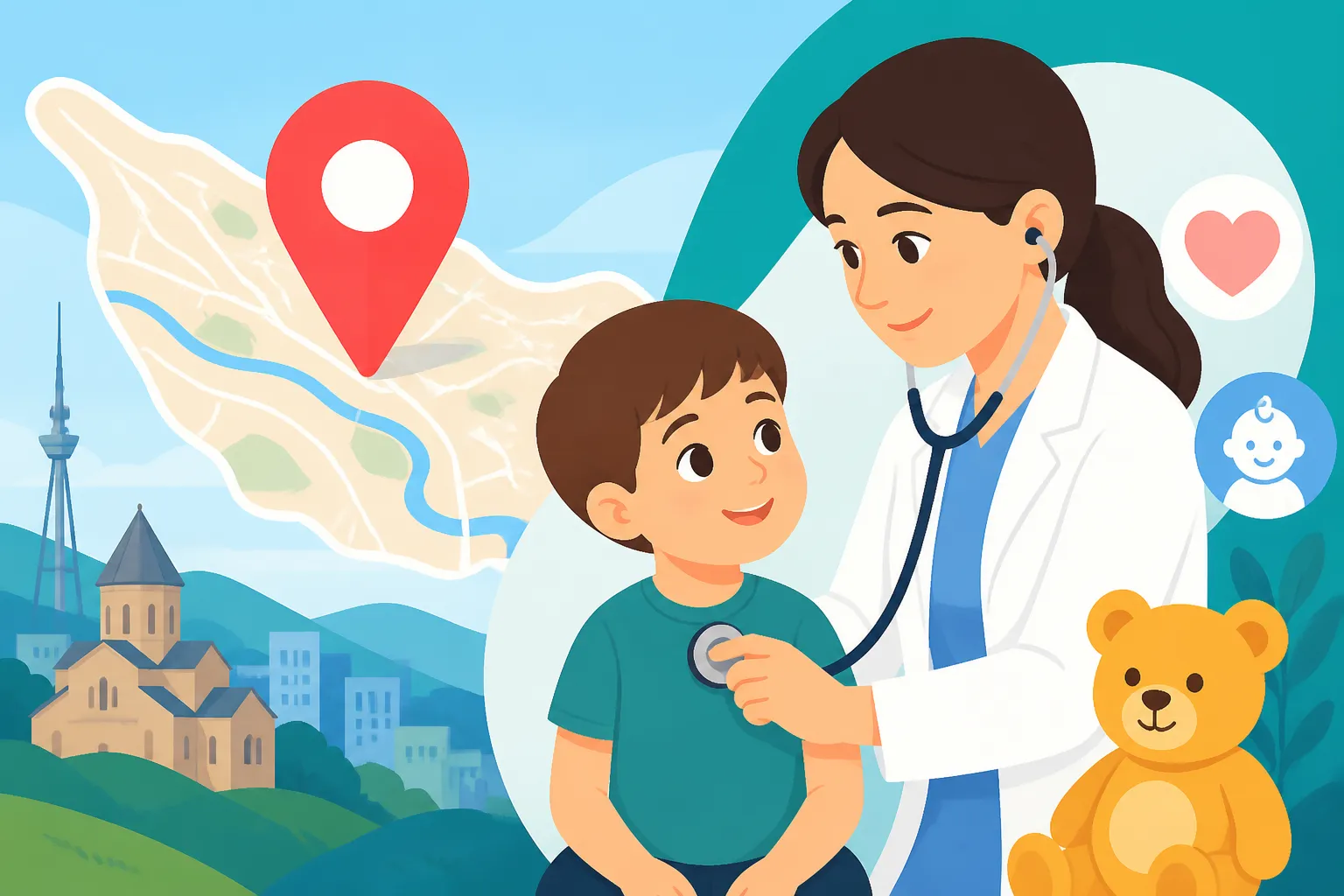
How Do I Find a Pediatrician in Tbilisi?
Okay, mamas and papas, let's be real for a moment. Moving to a new country like Georgia, specifically Tbilisi, is an adventure of a lifetime for you. But when your little one gets sick, or it’s time for a check-up, that adventure can quickly turn into a full-blown panic. The thought of navigating a foreign healthcare system, with language barriers and different medical practices, all while your child isn't feeling well? It’s enough to make even the most seasoned expat break a sweat. This comprehensive guide is here to walk you through exactly how to find a pediatrician in Tbilisi who understands both your child's needs and your concerns as an expat parent.
The Initial Panic: Why Finding a Pediatrician in Tbilisi Feels Like a Quest
I remember when my own little one first got a fever here. My mind raced through all the familiar comforts of home – my trusted pediatrician, the easy appointments, knowing exactly what to expect. Here in Tbilisi, it felt like I was starting from scratch, and with a sick child, that’s just not a comfortable place to be. You're probably feeling something similar: a mix of anxiety, confusion, and a deep desire to ensure your child gets the best care, no matter where you are in the world. This is a very real, very valid feeling that most expat parents experience.
Understanding Georgia's Pediatric Landscape
Georgia's healthcare system, like many others, has its own quirks and customs. For pediatric care, you essentially have two main avenues: public hospitals and private clinics. While the public system, especially through the Universal Healthcare Program (UHC) in Georgia, does offer services, many expat parents, myself included, often gravitate towards private clinics for their children. Why? Well, for starters, private clinics often boast newer facilities, shorter wait times, and, crucially, a higher likelihood of finding English-speaking staff. It’s not that the public doctors aren’t skilled, it’s just the practicalities of communication and efficiency that tend to steer foreigners towards private options for routine care. For more on the broader system, check out How Georgia's Health System Works: Universal Healthcare and Private Care Explained (2027).
The Importance of English-Speaking Doctors
Let’s be honest, trying to explain a rash, a persistent cough, or a strange tummy ache in rudimentary Georgian is a nightmare scenario. Imagine trying to understand complex medical instructions or a diagnosis when there’s a language barrier. When it comes to your child's health, clear and concise communication isn't just a convenience; it's absolutely critical. You need to be able to fully articulate your child's symptoms, ask questions, and completely understand the doctor's advice and prescriptions. Anything less can lead to unnecessary stress and potentially compromise your child’s care. Always prioritize a doctor who can communicate effectively in English, or be prepared to bring a reliable interpreter to every appointment.
Your Toolkit for Finding a Pediatrician: Where to Start Looking
So, where do you even begin this search for that perfect pediatrician? It’s not like you can just open a phone book (do those even exist anymore?) and point. Luckily, there are several solid avenues to explore that have proven effective for other expat families.
Online Resources and Expat Networks
The internet, bless its heart, is often our first port of call, and for good reason. Start with targeted Google searches like "English-speaking pediatrician Tbilisi" or "children's clinic Tbilisi expat." You might not always find perfect results, but it’s a starting point. More importantly, dive into the bustling world of expat Facebook groups. Groups like "Expats in Tbilisi" or "Tbilisi Mamas & Papas" are goldmines of real-world advice and recommendations. Post a query there, and you'll likely get a flood of helpful suggestions, personal experiences, and even direct contact information for pediatricians other parents swear by. These communities are incredibly supportive, and their firsthand knowledge is invaluable.
Personal Recommendations and Word-of-Mouth
There’s nothing quite as reassuring as a personal recommendation from someone who’s been in your shoes. Ask around! Talk to other expat parents you meet at playgrounds, international schools, or social gatherings. Your colleagues, local friends, or even your landlord might have suggestions. A trusted referral can cut through a lot of the initial uncertainty and give you a sense of confidence before you even step foot in a clinic. Don't underestimate the power of a good old-fashioned chat over coffee.
Reputable Clinics and Hospitals with Pediatric Departments
Tbilisi has a growing number of clinics and hospitals, many of which are becoming more expat-friendly. While I can't guarantee every doctor in every facility will be fluent in English, some places are known for their international patient services or generally higher standards of care.
For a major children's hospital, Medical Center M. Iashvili Children's Central Hospital is often mentioned, though it’s a public facility. For private options, many expats find good experiences at places like Evexia Clinics or Mediclub Georgia, both of which have multiple branches across the city and tend to cater to a diverse clientele. Gagua Clinic is also highly regarded, particularly for maternity and newborn care, so they might be a good starting point for very young children. When you call, always ask specifically for an English-speaking pediatrician and confirm their availability. Remember, calling ahead is key to avoiding frustration and ensuring you get the right person. Knowing How to Find and Register with a Clinic or Doctor in Georgia can also simplify your initial steps.
What to Consider When Choosing Your Child's Doctor
Finding an English-speaking pediatrician is one thing, but finding the right one for your family involves more than just language. You’re looking for a long-term medical partner for your child's health journey.
Language and Communication Comfort
Beyond just speaking English, evaluate how the doctor communicates. Do they speak clearly, patiently, and without rushing? Do they use medical jargon without explaining it, or do they ensure you understand every step of the diagnosis and treatment plan? A good pediatrician should make both you and your child feel at ease. Observe if they engage with your child, not just you, making the experience less intimidating for the little one. This rapport is crucial, especially for follow-up visits and building trust over time. You want a doctor who not only understands your words but also your unspoken anxieties as a parent.
Location, Accessibility, and Emergency Procedures
Practicality often plays a huge role in choosing a doctor. Is the clinic conveniently located near your home or work? How easy is it to get there, especially in Tbilisi's notorious traffic? Consider parking availability or proximity to public transport. Also, ask about their emergency procedures. Do they offer after-hours advice via phone? What is their protocol if your child needs urgent care outside regular hours? While you should always call 112 for critical emergencies, knowing a private clinic's urgent care options can be incredibly reassuring. For severe cases, Emergency Medical Care in Georgia: What Every Expat Needs to Know is a vital resource.
Insurance Coverage and Costs
This is a big one for expat families. Private clinics in Tbilisi are generally not free, and without proper insurance, those costs can add up quickly. It's essential to understand How Much Does a Doctor Visit Cost in Georgia? before your appointment. Many expats rely on private health insurance, and there are various options available, from local Georgian plans to international policies.
A good example of an international option is SafetyWing, which is popular among digital nomads and expats for its flexible, worldwide coverage. It’s designed for people on the move and often covers both emergency and some routine care. Whether you go with SafetyWing or another provider, always verify what your specific plan covers for pediatric visits, vaccinations, and potential specialist referrals. Don't be shy about asking the clinic for a breakdown of costs upfront. For more detailed information, look into Health Insurance in Georgia: Private and International Options Explained.
Your First Pediatrician Visit: What to Expect
Once you’ve done your research and chosen a pediatrician, the first appointment can still feel a bit daunting. Knowing what to expect can alleviate a lot of that initial stress.
Booking and Required Documents
Most private clinics in Tbilisi prefer appointments booked in advance, either by phone or sometimes online through their website or a messenger app like WhatsApp. It's rare to just walk in and be seen immediately, especially by a specific pediatrician. When you call, confirm if there’s a specific pediatrician known for being good with expat families or if they have dedicated English-speaking staff for consultations.
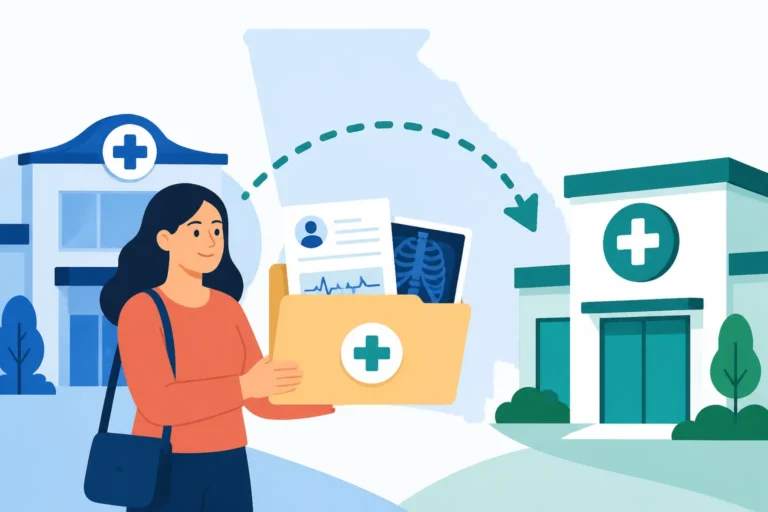
For documents, you'll typically need your child's passport or a copy of their residence permit (if they have one), a copy of their birth certificate, and any previous medical records or vaccination cards you have from your home country. If you have private health insurance, bring your policy details and card. Getting these prepared beforehand will make the check-in process much smoother. More generally, What Documents Do I Need to See a Doctor in Georgia? is a good read.
Preparing for the Consultation
Before you go, take a few minutes to jot down all your questions and concerns. Is your child reaching their milestones? Any specific worries about their diet, sleep, or development? Having these written down ensures you don't forget anything important in the moment. Bring a small notebook to jot down the doctor's advice, medication instructions, and follow-up plans. If you're still feeling unsure about the language capabilities, or simply want an extra pair of ears, consider bringing a trusted local friend or hiring an interpreter for that first visit. It's better to be over-prepared than to leave feeling confused.
Follow-Up and Building a Relationship
The first visit is often just the beginning. Pay attention to how the pediatrician interacts with your child, how they explain things to you, and how comfortable you both feel. If it doesn't feel right, it's perfectly okay to try another doctor. Finding a good pediatrician is about building a long-term relationship based on trust and clear communication. Once you find someone you're happy with, try to stick with them for continuity of care. They'll get to know your child's medical history, personality, and specific needs, which is invaluable. For children’s specific health planning, Understanding Childhood Vaccination Schedules in Georgia will be key.
Common Pediatric Services in Tbilisi
So, what kind of care can you generally expect from a pediatrician in Tbilisi? It's pretty comprehensive, covering everything from routine wellness to addressing acute illnesses.
Routine Check-ups and Vaccinations
Just like back home, pediatricians in Tbilisi offer routine check-ups to monitor your child's growth, development, and overall health. These are crucial for catching any potential issues early. Georgia follows its own national vaccination schedule, which might differ slightly from what you’re used to. Your pediatrician will guide you through the required immunizations and can administer them right there in the clinic. It's a good idea to bring your child's vaccination records from your home country so the doctor can ensure they are up-to-date or advise on any necessary catch-up vaccinations. You can refer to Understanding Childhood Vaccination Schedules in Georgia for detailed information.
Minor Illnesses and Urgent Care
For the inevitable colds, fevers, ear infections, or minor injuries that come with childhood, your pediatrician will be your first point of contact. They can diagnose and treat common ailments, prescribe necessary medications, and offer advice on at-home care. For situations that need more immediate attention but aren't life-threatening emergencies, many private clinics offer urgent walk-in services or same-day appointments. Always call the clinic first to confirm their urgent care protocol. Remember, for anything truly critical, the emergency number 112 is always available, but knowing your clinic's procedures for urgent walk-ins can save you a trip to a potentially overwhelmed public emergency room.
Specialist Referrals and Further Investigations
Sometimes, your child might need care beyond what a general pediatrician can provide. If a specialist is required – say, a pediatric cardiologist, dermatologist, or an orthopedist – your pediatrician will provide a referral. They can also arrange for further diagnostic tests like blood work, X-rays, or ultrasounds within their clinic or at a partnering facility. The process for this is quite similar to many Western countries, but understanding How Specialist and Hospital Referrals Work in Georgia can still be helpful. The network of pediatric specialists in Tbilisi is growing, and your chosen pediatrician will guide you to the most appropriate expert.
Beyond the Clinic: Supporting Your Child's Health as an Expat
Finding a pediatrician is a huge step, but supporting your child's health in a foreign country goes beyond just clinic visits. It’s about building a holistic support system.
The Role of Health Insurance
I cannot stress this enough: good private health insurance is your best friend as an expat parent in Georgia. It provides peace of mind, expands your choices for clinics and doctors, and significantly lightens the financial burden of healthcare. While Georgia's medical costs can be lower than in many Western countries, unexpected illnesses or emergencies can still be costly. A robust insurance plan, like those offered by providers that cater to expats globally, is invaluable.
For example, SafetyWing is often mentioned as a flexible and affordable option for international health insurance, especially useful for those who might not have traditional employer-sponsored plans. It's worth looking into how their plans can cover your child's routine and emergency pediatric needs, offering you an extra layer of security. Don't wait until your child gets sick to think about this! Dive into How to Buy Private Health Insurance After Moving to Georgia to get started.
Building a Local Support Network
Finally, remember that you’re not alone. Connect with other expat parents in Tbilisi. They've navigated these waters, faced similar challenges, and have a wealth of practical advice, emotional support, and shared experiences to offer. These networks can be incredibly validating and are often where you'll find the best tips for everything from local pediatricians to where to buy baby supplies or find child-friendly activities. Moving to Georgia is a journey, and having a supportive community around you makes all the difference, especially when it comes to the well-being of your little ones.
| Consideration | What to Look For | Why It Matters |
|---|---|---|
| Language Skills | Fluent English, patient communication, ability to explain complex info simply | Essential for accurate diagnosis, clear instructions, and parental peace of mind |
| Location & Access | Proximity to home/work, public transport/parking, easy appointment booking | Convenience, especially during emergencies or frequent check-ups |
| Emergency Protocol | Clear guidance for after-hours care, urgent walk-in options, referral process | Crucial for handling unexpected illnesses or injuries swiftly and confidently |
| Clinic Facilities | Cleanliness, child-friendly environment, modern equipment | Comfort for child, confidence in hygiene and quality of care |
| Insurance Coverage | Accepts your private health insurance, transparent billing, clear cost breakdown | Avoids unexpected out-of-pocket expenses, ensures financial predictability |
| Parental Comfort | Feeling heard, respected, and confident in the doctor's expertise and approach | Builds trust for long-term care, ensures you can openly discuss concerns |
Disclaimer
The information provided in this guide is intended for general informational purposes only and does not constitute medical advice. While we strive to provide accurate and up-to-date information, healthcare systems, regulations, and clinic services in Georgia can change. Always consult with a qualified healthcare professional for any medical concerns or before making any decisions related to your child's health. Personal experiences and recommendations are subjective, and what works for one family may not work for another. We recommend verifying all details directly with healthcare providers and insurance companies.