What Is the Emergency Phone Number in Georgia?
When you pack your bags and move to a new country like Georgia, the last thing anyone wants to think about is an emergency. Yet, the unsettling truth is that life happens, and when it does, knowing who to call and what to do can make all the difference. The chaos of a medical scare, a theft, or even a fire can feel amplified when you're navigating a foreign system. This comprehensive guide will walk you through Georgia's emergency services, primarily focusing on the critical 112 number, ensuring you're as prepared as possible for the unexpected.
Understanding Georgia's Integrated Emergency Service: 112
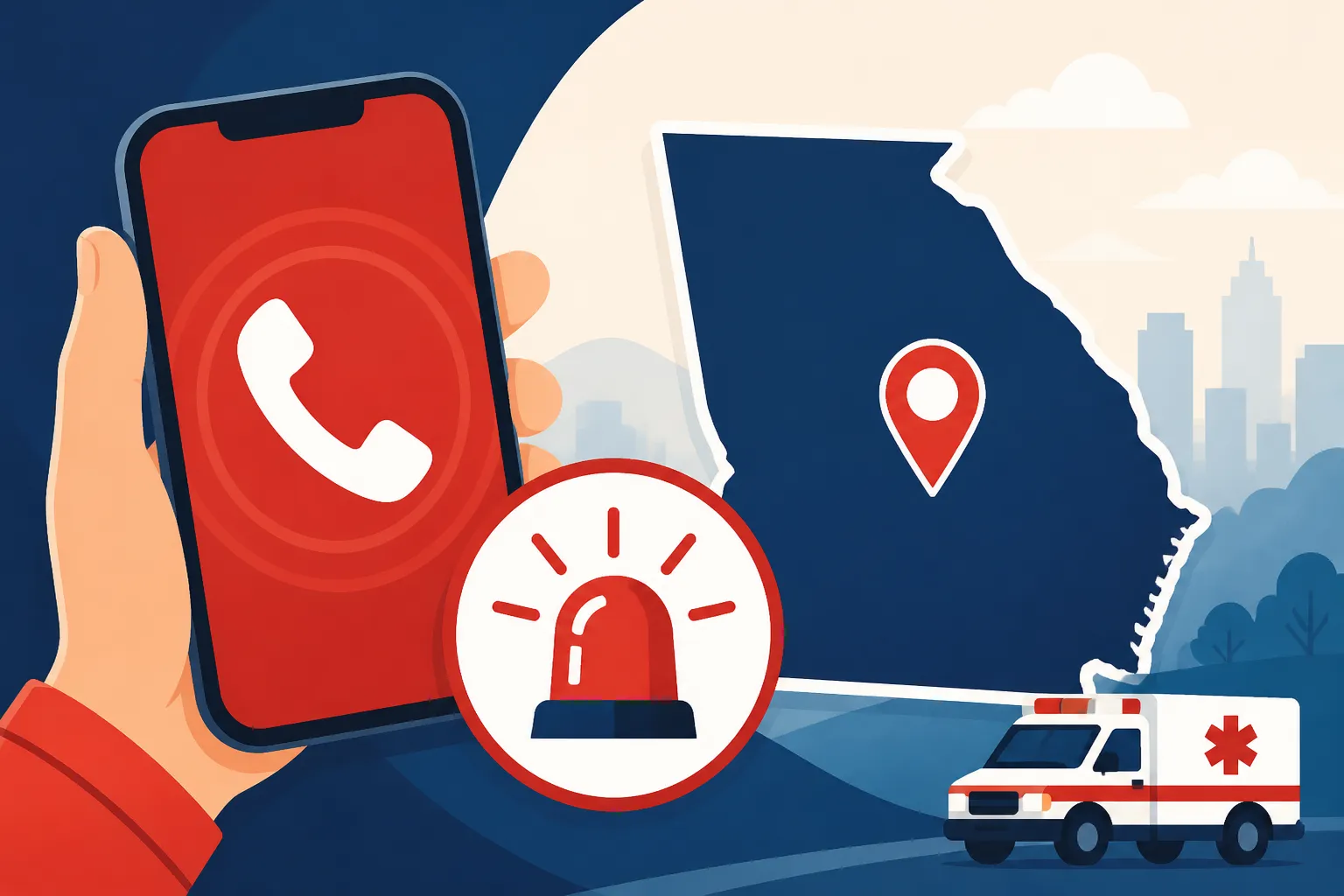
Imagine a single number that connects you to the cavalry, no matter the emergency. In Georgia, that number is 112. It’s an integrated system, meaning you don't need to juggle separate numbers for police, fire, or ambulance services. This setup is a huge relief, especially in a moment of panic where every second counts and remembering multiple digits can feel impossible. It’s accessible 24/7, from any phone, free of charge, and crucially, has multilingual operators ready to assist.
Why 112 is Your Lifeline
For many of us, growing up with distinct emergency numbers like 911 in the US or 999 in the UK, the idea of a single number for everything can feel a bit alien. But trust me, once you've been here a while, you'll appreciate the simplicity of 112. It’s designed to be a universal safety net. Whether you’ve had a fall, witnessed a car accident, or smell smoke in your building, dialing 112 is your first and most important step.
This integrated approach streamlines the dispatch process. When you call, the operator assesses the nature of your emergency and dispatches the appropriate response team or teams – be it an ambulance, police patrol, or firefighters. This prevents delays that can occur when callers have to decide which specific service they need, or worse, call the wrong one and be transferred. It's a system built for efficiency under pressure.
Moreover, the operators at 112 are trained to handle a wide array of situations and often speak multiple languages, predominantly English and Russian, which is a massive comfort for expats who might not be fluent in Georgian. This linguistic support is absolutely vital because effective communication is paramount during an emergency. You don't want to be fumbling with translation apps when someone's health or safety is on the line.
When to Call 112: Real-Life Scenarios
It's one thing to know the number, but another to know when to use it. Think of 112 as being exclusively for situations where immediate, professional intervention is required to prevent harm, save lives, or control dangerous situations. It’s not for general inquiries or non-urgent matters, which we'll get into later.
For medical emergencies, this means anything life-threatening or severely debilitating. If you or someone around you is experiencing severe chest pain, signs of a stroke, uncontrolled bleeding, a serious accident, a sudden loss of consciousness, or difficulty breathing, call 112 for an ambulance. Don’t try to self-diagnose or drive to the hospital if the situation seems critical. Every second counts in these scenarios, and paramedics are equipped to provide immediate, life-saving care on the spot.
When it comes to crime, call 112 if you are witnessing a crime in progress, have been a victim of a serious crime like assault or robbery, or if there's a clear threat to personal safety. This isn't for reporting a missing wallet discovered hours later (though you would eventually report that to the police, just not via 112). This is for active situations where police intervention is needed right now. For example, if you see someone breaking into a car or if you are being harassed.
And for fires, it's pretty straightforward: if you see smoke, flames, or suspect a fire, call 112 immediately. This includes structural fires in buildings, car fires, or even widespread brush fires. Do not attempt to extinguish a large fire yourself if it puts you at risk. Your priority is to get yourself and others to safety, and then alert the professionals. Even if it turns out to be a false alarm, it’s always better to be safe than sorry when fire is involved.
What to Expect When You Call 112 in Georgia
The moment you dial 112, you're usually met with a recording that states "Emergency Service 112" in Georgian, followed by English and sometimes Russian. Stay on the line; an operator will pick up. The key here is to remain calm, even though your heart might be pounding out of your chest. The clearer you are, the faster they can help.
The Importance of Clear Communication
It's easy to panic during an emergency, but try to take a deep breath before speaking. The operator’s job is to extract critical information from you as quickly and efficiently as possible. They will likely start by asking for the type of emergency and your location. This is standard procedure worldwide. Be ready to give concise answers.
While multilingual operators are available, it's always a good idea to speak slowly and use simple, direct language. Avoid slang or overly complex sentences. If you’re struggling with English or Russian, or if the operator seems to have difficulty understanding, politely ask if they can transfer you to an operator who speaks your preferred language. They are generally very accommodating. Remember, your goal is to convey the situation effectively so help can be dispatched without delay. For more information on how emergency services function, you might want to look at our guide on Understanding Emergency Numbers (112) and Ambulance Care in Georgia.
Essential Information to Provide
When you call 112, have the following information ready, or at least mentally prepared. This is the absolute bare minimum they need:
- Your Exact Location: This is the most crucial piece of information. Give the full street name, building number, and even floor or apartment number if applicable. If you're on a street with no obvious address, describe landmarks (e.g., "near the big yellow church," "next to the supermarket on Rustaveli Avenue," "across from the Liberty Square Metro Station"). If you don't know the address, 112 does have some geolocation capabilities, but it's not foolproof, and precise verbal information will always be faster.
- Nature of the Emergency: Clearly state what’s happening. Is it a medical emergency, a fire, or a crime? Be specific: "My father is having chest pains," "There's a fire on the 5th floor of my building," "I just witnessed a mugging."
- Number of People Involved: Are you alone, or are there others who need help? This helps them dispatch the right number of units.
- Condition of the Victim(s): If it's a medical emergency, briefly describe symptoms. Are they conscious? Breathing? Bleeding heavily?
- Your Phone Number: The operator might need to call you back for more information or to give instructions. Keep your line free.
Once you’ve provided this, stay on the line until the operator tells you it’s okay to hang up. They might have further questions or instructions for you. Don't assume they have everything they need just because you've told them your address.
Navigating Language Barriers and Cultural Nuances
Even with multilingual support, there can be moments of miscommunication. This is a common frustration for many expats in Georgia. It’s important to manage your expectations and adopt a pragmatic approach. If you find yourself in a situation where the language barrier is proving difficult, here are a few tips:
First, simplify your sentences. Use short, declarative statements. Instead of "My friend seems to be experiencing severe gastrointestinal distress accompanied by intense abdominal pain and frequent bouts of nausea," try "My friend is very sick, stomach pain, vomiting." This gets the essential message across.
Second, if you’re with a local Georgian friend or even a helpful passerby, don't hesitate to ask them to speak to the operator. Having a native speaker can resolve misunderstandings almost instantly. This is where building a local network truly pays off.
Finally, understand that while Georgian emergency services are professional, their approach might differ slightly from what you're used to in your home country. They are generally efficient, but patience and clarity on your part will ensure the best possible outcome. For broader healthcare concerns and non-emergency situations, our guide on How to Find an English-Speaking Doctor in Georgia can be very helpful.
Beyond 112: Other Important Contacts and Preparedness
While 112 is your go-to for immediate life-or-death situations, it's not the only contact you'll need as an expat. A well-rounded emergency plan includes knowing who else to call and how to prepare proactively.
Embassies, Consulates, and Travel Insurance
For non-life-threatening emergencies, or for follow-up assistance after an incident, your country’s embassy or consulate in Georgia can be an invaluable resource. They can assist with lost passports, provide lists of local English-speaking lawyers or doctors, and sometimes offer emergency loans. Make sure you know where your embassy is located and have their contact information saved, along with the contact for your country's emergency consular services if they have a dedicated line.
Equally important is robust travel or expat health insurance. This is where a brand like SafetyWing comes into play. While 112 handles the immediate emergency response, your insurance is what will cover the financial burden of hospital stays, medical procedures, and even emergency repatriation if needed. SafetyWing offers plans designed for digital nomads and expats, providing peace of mind knowing that if you end up in a Georgian hospital, the costs won't break the bank. Having a reliable insurance policy is absolutely crucial, especially when you consider What Happens If I Get Sick Without Insurance in Georgia?. Always have your insurance details readily accessible.
Non-Emergency Medical Care and Private Clinics
It's vital to distinguish between a true emergency and an urgent but non-life-threatening medical issue. If you have a bad cold, a minor cut, or need a prescription refill, 112 is not the number to call. For these situations, you'll want to access regular healthcare services. Georgia has a mix of public and private clinics. Many expats prefer private clinics for their modern facilities, shorter wait times, and often, English-speaking staff.
Knowing How Expats Access Healthcare in Georgia: The Complete Guide (2027) is vital for managing your everyday health needs. You should identify a primary care doctor or clinic soon after arriving. Keep their contact information handy. If you have private health insurance, they will often have a list of approved clinics and doctors. For instance, if you have SafetyWing insurance, their support team can usually guide you to partner medical facilities or help you understand the claims process for non-emergency visits. Don't wait until you're sick to figure out where to go.
Personal Preparedness for Expats
Being proactive in your preparedness can significantly reduce stress during an emergency. Here are a few practical steps every expat in Georgia should take:
- Emergency Contact List: Keep a physical and digital list of important numbers: 112, your embassy, your insurance provider (e.g., SafetyWing's emergency line), your local doctor, a trusted local friend, and family members.
- Know Your Address in Georgian: Write down your home address (and workplace, if applicable) in Georgian script. This is incredibly helpful when giving directions to taxi drivers or emergency services, as not everyone will be familiar with Latin script pronunciations.
- Important Documents: Keep copies of your passport, residence permit, and insurance card (like your SafetyWing policy details) in a safe, easily accessible place, separate from the originals. Consider a digital copy on your phone or cloud storage.
- Basic First-Aid Kit: Have a small kit at home with essentials like bandages, antiseptic wipes, pain relievers, and any personal medications. For more on this, you might check out our guide on Prescription Medications and Pharmacies in Georgia: The Complete Guide.
- Learn Basic Georgian Phrases: Even a few words like "Help" (Damikhavshiret – დამეხმარეთ), "Doctor" (Mkhedari – ექიმი), or "Fire" (Tskhali – ცეცხლი) can be invaluable.
By taking these steps, you're not just reacting to potential emergencies; you're building a robust personal safety net.
Common Misconceptions and Pro Tips for Expats
Moving to a new country comes with a steep learning curve, and understanding emergency services is no exception. There are often preconceived notions or misunderstandings that can hinder effective action. Let's clear some of these up and offer some additional practical advice.
It's Not Just for Tourists: Permanent Residents Too
A common misconception is that 112 is primarily for tourists or temporary visitors. This couldn't be further from the truth. Georgia's emergency service, 112, is for everyone on Georgian soil, regardless of their residence status. Whether you're here on a visa-free stay, holding a work residence permit, or a long-term resident, 112 is your integrated emergency contact.
The idea that foreigners might somehow be treated differently or that there's a separate system is simply incorrect. The goal of 112 is universal protection. So, if you've recently made the move, don't ever hesitate to call if you or someone else is in immediate danger. Our comprehensive guide, The Complete Guide to Healthcare in Georgia for Expats (2027), delves deeper into how expats can navigate the wider healthcare system, but for emergencies, 112 is always the first point of contact.
Don't Hesitate, But Don't Abuse It
While it's crucial not to hesitate when faced with a genuine emergency, it's equally important not to abuse the 112 system. The service is designed for critical situations where immediate help is required. Calling 112 for trivial matters, asking for directions, or making prank calls can tie up valuable resources and delay help for those truly in need.
Georgian law, like most countries, has penalties for misusing emergency services. If your situation is not an immediate emergency, look for alternative contacts. For example, if you've lost your phone, calling a friend or checking with your embassy would be more appropriate than 112. If you're unsure, it's generally better to call, but try to be as certain as possible that it warrants an emergency response.
Geolocation and Follow-Up
When you call 112, the system does have some ability to identify your location, especially if you're calling from a mobile phone. However, this technology isn't always perfectly precise, especially in certain areas or if you're indoors. That's why clearly stating your address or landmarks remains paramount. Relying solely on automatic geolocation could lead to delays, particularly in crowded urban areas or remote locations.
After you've made your initial call and provided the necessary information, stay near your phone. The emergency services might need to call you back for further clarification or to provide instructions before they arrive. For instance, if you've called for a medical emergency, they might ask you to perform basic first aid until the ambulance arrives. It’s also wise to keep an eye out for the responding units (e.g., an ambulance with flashing lights) to help guide them, especially if your location is difficult to find. Being visible and ready to direct them can save precious minutes. The overall Cost of Healthcare in Georgia: A Complete Breakdown for Foreigners (2026) also covers emergency costs, so it's good to be aware of what your insurance, such as SafetyWing, might cover.
Quick Reference: Emergency Services in Georgia (112)
| Emergency Type | When to Call 112 | What to Prepare |
|---|---|---|
| Medical | Severe injury, unconsciousness, severe chest pain, difficulty breathing, stroke symptoms, uncontrolled bleeding. | Clear address, brief description of symptoms/injury, number of victims, current condition (conscious/unconscious, breathing/not breathing). |
| Police | Crime in progress (theft, assault), immediate threat to safety, serious accident with injuries. | Clear address, description of incident, any suspect details (clothing, direction of travel), threat level. |
| Fire | Smoke, visible flames, smell of burning, any suspicion of fire within a building or outdoor area. | Clear address, location of fire (which floor/room), type of building, if anyone is trapped inside. |
| Other | Gas leak, major road accident, natural disaster, trapped in elevator. | Clear address, specific nature of the incident, any immediate dangers, number of people involved/affected. |
This table provides a quick guide, but always remember: if in doubt and life or immediate safety is at risk, call 112.
Taking the time to understand Georgia's emergency services, especially the 112 system, is one of the most important things you can do as an expat. It’s an essential part of your personal safety plan, alongside securing reliable health insurance and understanding the wider healthcare landscape. With this knowledge, you can face the unexpected with a little more confidence and a lot less panic.
Disclaimer
The information provided in this guide is intended for general informational purposes only and does not constitute professional advice. While we strive to ensure the information is accurate and up-to-date, emergency procedures and regulations can change. Always verify critical information with official sources or local authorities. In a genuine emergency, dial 112 immediately.