What Should I Pack in a Home Medical Kit for Georgia?
Moving to a new country like Georgia, while incredibly exciting, also comes with a unique set of anxieties. One of the quiet worries many expats don't articulate until they're facing it is: "What if I get sick or hurt, and I can't easily get what I need?" The local pharmacies are different, the language can be a barrier, and knowing what's available can feel like a guessing game. This guide is here to alleviate some of that stress, walking you through exactly what you should pack in a home medical kit to feel prepared and secure from day one.
Why a Robust Home Medical Kit is Non-Negotiable in Georgia
When you first arrive in Georgia, whether you're settling in Tbilisi, Batumi, or one of the charming smaller towns, you're constantly adapting. New foods, new routines, new environmental factors – it all takes a toll, and sometimes, your body decides to make its discomfort known at the most inconvenient times. Having a well-stocked medical kit isn't just a suggestion; it's an absolute necessity for your peace of mind and immediate well-being.
The Initial Expat Jitters and Unexpected Ailments
Let's be real, those first few weeks or months as an expat are a whirlwind. You're navigating new streets, deciphering menus, and trying to remember if it's "Gamarjoba" or "Gagimarjos." The last thing you want is to be hit with a sudden headache, an upset stomach from trying all the delicious khachapuri, or a scraped knee from an adventurous stroll on cobblestone streets. These aren't emergencies, but they can feel like one when you're disoriented and far from your usual comfort zone. Imagine the relief of simply reaching into your cupboard for your trusted pain reliever instead of frantically searching for the nearest "Apteka" (pharmacy) in a new neighborhood.
It’s often the minor inconveniences that disrupt your flow the most. A blister from too much walking, a lingering cough, or an unexpected allergic reaction to something in the environment – these are the common culprits that can quickly sour an otherwise perfect day. Your home kit acts as a buffer, giving you immediate relief and buying you time to understand the local system or seek professional help if the issue persists. Being proactive means you can focus on enjoying your new life, not fretting over minor health woes. Having your own supplies ensures you don’t have to delay treatment for simple issues or compromise on what you’re comfortable using.
Bridging the Language Barrier at the Pharmacy Counter
One of the biggest hurdles many foreigners face when they first arrive in Georgia is the language. While many younger Georgians, especially in Tbilisi, speak English, you can't always count on it, particularly in pharmacies, or even in rural areas. Trying to explain a persistent cough, a throbbing headache, or the exact nature of your "Georgian belly" to a pharmacist who speaks little to no English can be incredibly frustrating. Google Translate is a lifesaver, yes, but even with its help, medical terminology can get lost in translation.
This is where your thoughtfully assembled medical kit truly shines. If you've got your own supply of ibuprofen, antacids, or cough drops, you can bypass the potential for miscommunication entirely. You're empowered to treat those common ailments yourself, without the added stress of a linguistic puzzle. It reduces the immediate pressure to understand new products, their ingredients, or their specific uses in Georgian. While you'll eventually learn how to navigate local pharmacies, having your go-to items means you're not forced into that high-stakes linguistic challenge when you're feeling unwell and vulnerable.
The Absolute Essentials: Over-the-Counter Heroes for Your Georgian Home
Think of these items as the foundation of your expat health preparedness. These are the workhorses, the first line of defense against the everyday aches, pains, and irritations that life throws at you. You might find similar products in Georgian pharmacies, but having your trusted brands, in familiar packaging, is a comfort you won't fully appreciate until you need it most.
Pain Relief and Fever Reducers
Let's face it, headaches, muscle aches from exploring a new city on foot, or the general malaise of a common cold are inevitable. Your kit needs reliable pain relief and fever reducers. It is advisable to bring both paracetamol (also known as acetaminophen, like Tylenol) and ibuprofen (like Advil or Nurofen). They work differently and can sometimes be used in conjunction (consult a doctor if unsure!), offering versatile relief.
Consider bringing a variety of strengths if you typically use them, and definitely don't forget options for children if you're moving with family. The last thing you want is a child waking up with a fever at 2 AM and you having to search for a 24-hour pharmacy or trying to figure out unfamiliar pediatric dosages in a new language. Having your usual supplies on hand means you can address discomfort quickly and effectively, allowing you to get back to enjoying your new life sooner.
Gastrointestinal Saviors
Ah, the infamous "traveler's tummy." It's not just for short trips; adapting to new cuisine, water, and even stress can wreak havoc on your digestive system as an expat. You'll likely encounter delicious, rich Georgian food, and while it's fantastic, your gut might need some time to adjust. Therefore, gastrointestinal aids are paramount.
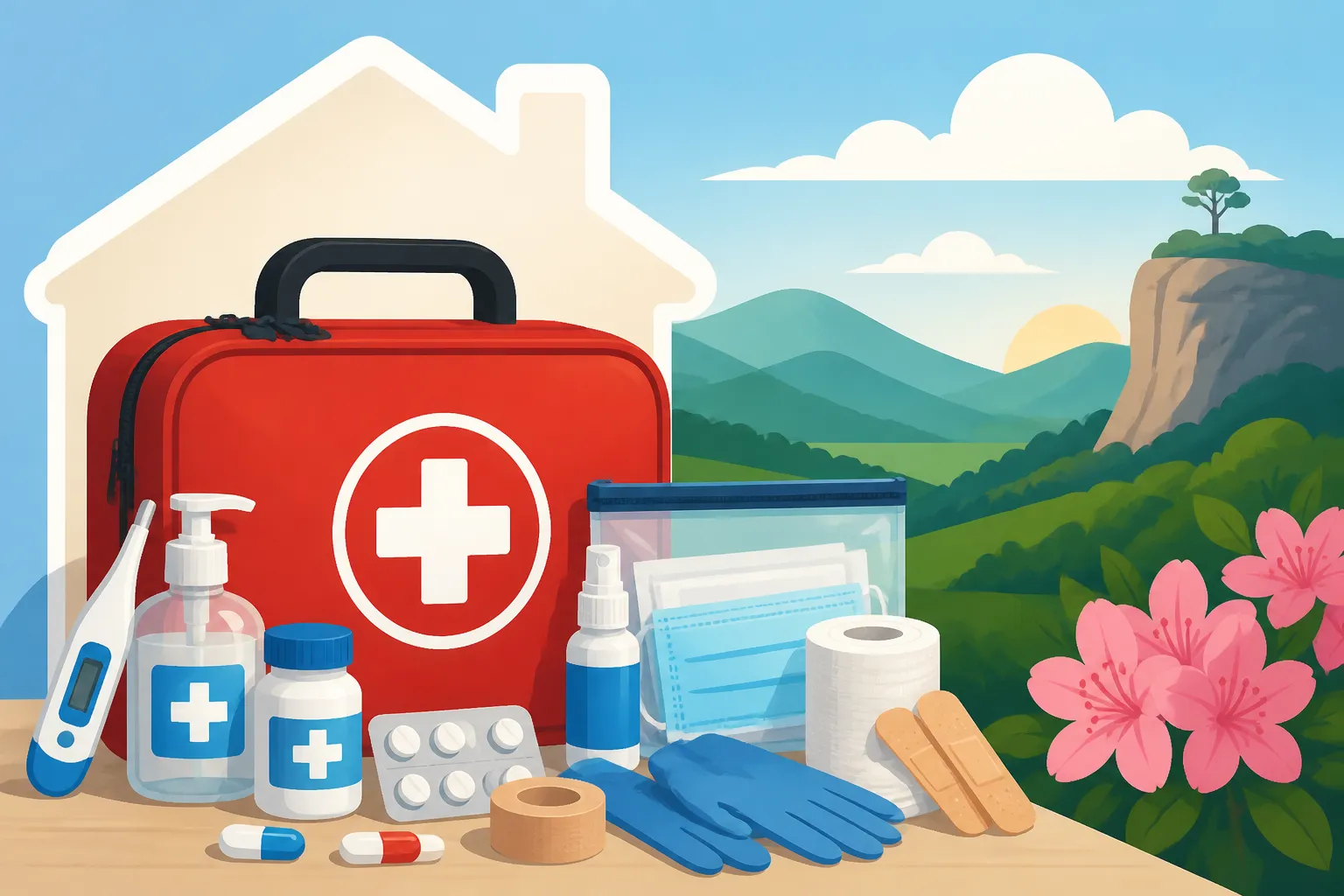
Pack anti-diarrhea medication like loperamide (Imodium), which can be a lifesaver when you need to quickly get things under control. Antacids (like Rennie or Tums) are great for indigestion and heartburn, especially after a particularly hearty khinkali feast. Probiotics, which you might already take, can help support gut health during this transition. Oral rehydration salts are also crucial. If you experience vomiting or severe diarrhea, replenishing electrolytes is vital to prevent dehydration, which can escalate a minor ailment into a serious problem. Trust me, you do not want to be seeking these out during an urgent bathroom dash.
Wound Care & Minor Injury Must-Haves
Exploring Georgia means walking a lot, often on uneven surfaces, historical cobblestones, or along hiking trails if you venture into the mountains. Minor cuts, scrapes, and blisters are almost guaranteed. A well-stocked wound care section will save you a lot of hassle. Start with a good antiseptic, either wipes or a small bottle of liquid (like an iodine solution or chlorhexidine). This is critical for cleaning any breaks in the skin to prevent infection.
Variety is key for bandages. Bring an assortment of adhesive bandages (Band-Aids) in different shapes and sizes, suitable for fingers, knuckles, and larger scrapes. Don't forget some sterile gauze pads, medical tape, and a small roll of conforming bandage for sprains or securing larger dressings. A tube of topical antibiotic cream (like Neosporin or a similar generic) for minor cuts and abrasions is also a wise addition. Finally, a hydrocortisone cream can provide much-needed relief from insect bites, minor rashes, or allergic skin reactions that you might experience due to new flora or fauna.
Common Ailments and Your Kit's First Line of Defense
| Ailment/Symptom | Recommended Home Kit Item(s) |
|---|---|
| Headache, Muscle Pain | Paracetamol (Acetaminophen), Ibuprofen |
| Fever | Paracetamol (Acetaminophen), Ibuprofen |
| Upset Stomach, Diarrhea | Anti-diarrhea medication (Loperamide), Oral Rehydration Salts, Probiotics |
| Indigestion, Heartburn | Antacids |
| Minor Cuts, Scrapes | Antiseptic Wipes/Solution, Variety of Bandages, Sterile Gauze, Medical Tape, Topical Antibiotic Cream |
| Blisters | Blister plasters, Antiseptic wipes |
| Bug Bites, Minor Rashes | Hydrocortisone Cream, Antihistamine Cream |
| Cough, Sore Throat | Cough Syrup, Throat Lozenges, Decongestant |
| Allergies (seasonal/mild) | Oral Antihistamines |
| Motion Sickness | Motion sickness medication |
| Sunburn | After-sun lotion, Aloe vera gel |
Beyond the Basics: Specialized Items for Expat Life in Georgia
Once you've got the essentials covered, it's time to think about those items that cater to specific needs or conditions, as well as considerations unique to living in Georgia or traveling within the region. These additions can make a huge difference to your comfort and safety.
Allergy and Cold Season Preparations
Georgia experiences distinct seasons, and with them come seasonal allergies for many. If you're prone to hay fever or other environmental allergies, bring a good supply of your preferred oral antihistamines. Even if you've never had them before, new pollens and environmental factors can sometimes trigger unexpected reactions. A non-drowsy option is often best for daytime use, while a more sedating one can help with a good night's sleep if symptoms are severe.
Beyond allergies, colds and flu are a fact of life, no matter where you are. Pack some cough syrup (both for dry and chesty coughs), decongestants (nasal sprays or oral tablets), and plenty of throat lozenges. The climate shifts in Georgia can sometimes be abrupt, leading to sudden chills and common colds. Having these on hand means you can nip symptoms in the bud before they become more disruptive. Remember, understanding Prescription Medications and Pharmacies in Georgia: The Complete Guide will be useful later, but for immediate relief, your own stock is gold.
Personal Prescription & Specialty Items
This is perhaps the most critical section for anyone with ongoing health conditions. DO NOT rely on being able to easily refill specialist prescriptions in Georgia, especially immediately after arrival. Bring at least a three-month supply, and ideally six months, of any daily prescription medications you take. This includes everything from blood pressure medication and insulin to birth control pills and antidepressants. Ensure you have a doctor's note explaining your prescriptions, especially for controlled substances, to avoid issues at customs.
For those with specific medical needs, this includes items like an EpiPen for severe allergies, asthma inhalers, diabetes testing supplies, or specific eye drops. If you wear glasses or contact lenses, bring an extra pair and a good supply of solution. It’s a real challenge to explain complex medical needs or try to find an exact equivalent of a niche medication in a foreign country. Having ample supply means you can take your time to understand How Georgia's Health System Works: Universal Healthcare and Private Care Explained (2027) and potentially find a local doctor who can manage your ongoing care.
Travel-Specific Considerations
Georgia is a country ripe for exploration, from the Black Sea coast to the towering Caucasus mountains. If you plan on venturing beyond the main cities, your medical kit needs to be even more robust. Access to pharmacies or medical facilities can be significantly limited in smaller villages or remote areas.
Consider adding motion sickness medication if you're prone to it, as the winding mountain roads can be a challenge for some. Strong insect repellent is a must, especially during warmer months or if you're spending time near lakes or rivers. After-bite cream is also a good idea. Georgia gets hot in the summer, so don't forget high-SPF sunscreen and some burn relief gel or cream. A small, compact first-aid booklet can also be useful for quick reference, especially if you're hiking or camping. Thinking ahead for travel scenarios means you're not caught off guard when medical help isn't just around the corner.
Navigating Local Pharmacies and Medical Services with Your Kit in Hand
While your comprehensive home medical kit will be your first line of defense, it’s crucial to understand when to transition from self-care to seeking professional medical attention and how to navigate Georgia’s healthcare landscape. Your kit gives you breathing room, but it's not a substitute for a doctor.
When Your Home Kit Isn't Enough: Seeking Local Care
There are times when a sore throat turns into something more serious, a cut doesn't heal, or that "traveler's tummy" persists for days. Your home kit is for minor ailments, but knowing when to seek professional help is vital. If symptoms worsen, don't improve after a few days, or if you experience severe pain, high fever, difficulty breathing, or any concerning symptoms, it's time to find a doctor. Don't hesitate.
Luckily, in major cities like Tbilisi, there are options. You might look for How to Find an English-Speaking Doctor in Georgia to ease communication worries. For more urgent situations, it’s important to know about Emergency Medical Care in Georgia: What Every Expat Needs to Know. Understanding How Much Does a Doctor Visit Cost in Georgia? will also help you budget, and it's another reason why having good health insurance from the start, which covers primary care visits, is so important.
Understanding Pharmacy Culture in Georgia
Georgia has an extensive network of pharmacies, known as "Apteka." You'll find them on almost every corner in urban areas, and many operate 24/7. This is a huge plus, but the products and brand names might be unfamiliar. Some medications that are over-the-counter in your home country might require a prescription here, and vice-versa. For example, some antibiotics might be sold without a prescription, which isn't the case in all Western countries.
Major pharmacy chains like PSP, GPC, and Aversi are common and generally well-stocked. They often have pharmacists who can offer basic advice, and in larger branches, you might find English-speaking staff. It's a good idea to download a medical dictionary app or have a list of common symptoms translated into Georgian on your phone for those times when your home kit runs out and you need to venture out. Remember, this local knowledge builds over time, but your initial kit ensures you're not left scrambling during your The Complete Guide to Moving to Georgia: Your First 90 Days (2027).
Insurance and Preparedness
Even with the most comprehensive home medical kit, you absolutely need health insurance. Your kit handles the small stuff, but what about a broken bone, a severe infection, or an unexpected hospitalization? These can lead to significant out-of-pocket expenses if you're not covered. Many expats, especially digital nomads or those on a visa-free stay, might initially overlook this, assuming the Georgian healthcare system is always affordable. While Why Georgia Has Affordable Private Healthcare: The Expat Guide (2027) highlights the competitive pricing, major medical events are still costly.
This is where a robust insurance policy comes into play. For instance, companies like SafetyWing offer travel and medical insurance specifically designed for nomads and expats, providing coverage for unexpected illnesses and injuries while you're abroad. They can offer a vital safety net, covering everything from urgent care visits to hospital stays, and even medical evacuation if necessary. Without it, you could be asking yourself What Happens If I Get Sick Without Insurance in Georgia?, and the answer isn't a fun one. Having insurance means you can focus on getting better, not on worrying about crippling medical bills or how to apply for How to Claim Reimbursement from Private Insurance in Georgia. It's the ultimate layer of preparedness, working in tandem with your carefully curated home medical kit.
Disclaimer
The information provided in this article is intended for general guidance and informational purposes only, and does not constitute medical advice. It is essential to consult with a qualified healthcare professional for any health concerns or before making any decisions related to your health or treatment. Always follow the advice of your doctor or other medical professional.