How to Set Up Streaming and TV Service in Georgia
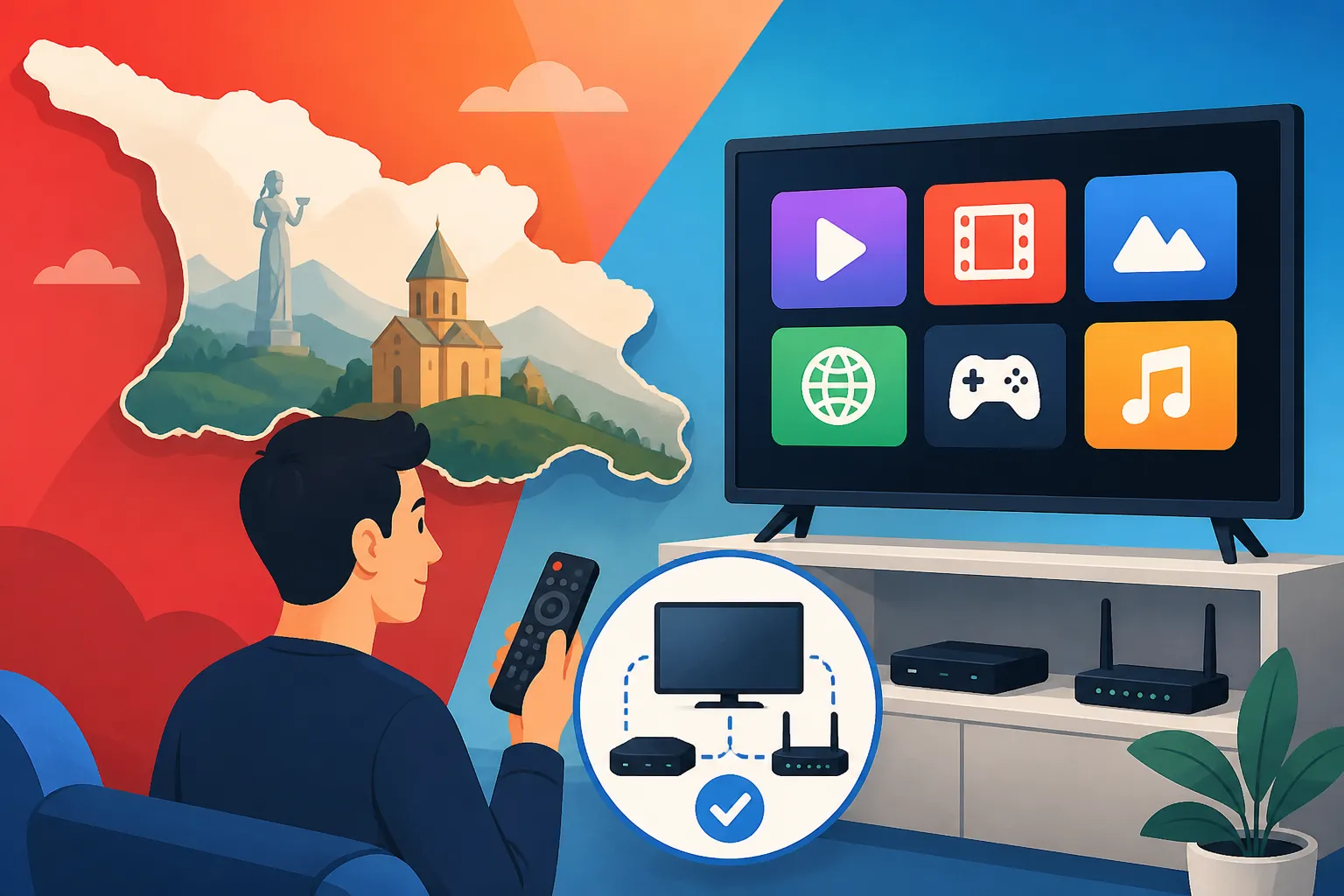
One of the first things you realize after settling into a new apartment in Georgia, once the initial excitement of unpacking wears off, is that silence can be deafening. Maybe you’ve found your perfect cozy spot in Tbilisi, or perhaps you’re enjoying the sea breeze in Batumi, but that longing for your favorite show, a bit of background noise, or just catching up on familiar news can hit hard. Getting your home entertainment setup sorted isn isn't just about distractions; it's about making your new place feel like home. This guide will walk you through everything an expat needs to know to set up streaming and TV services in Georgia, ensuring you’re never far from your preferred content.
Understanding the Landscape of TV and Streaming in Georgia
When you first arrive in Georgia, it’s easy to feel a bit lost in translation, especially when it comes to something as ingrained as how you watch TV. Back home, you probably had a routine, a go-to provider, and a clear understanding of what’s available. Here, it’s a bit different, and it's essential to grasp the local scene before you dive into setting up your entertainment hub.
Traditional TV Options and Channels
For many locals, traditional cable or satellite TV is still a common choice. Companies like Silknet and Magti are the two biggest players in the telecommunications market, offering a range of packages that include internet, mobile, and television services. These bundles can seem appealing at first glance, especially for their convenience. You'll get access to a plethora of local Georgian channels, which is fantastic for immersing yourself in the culture and perhaps even picking up some language skills. You'll see news, dramas, talk shows, and local films.
However, for expats, the content can quickly become a sticking point. While these providers do offer some international channels, particularly news channels like CNN, BBC, or sports channels, the selection of English-language entertainment can be quite limited. If you're hoping for a broad array of Western dramas, documentaries, or specific niche channels you enjoyed back home, you might find yourself disappointed. The primary language for most content will be Georgian, with Russian often as a secondary option. The user interfaces for these traditional TV services can also be exclusively in Georgian, making navigation a small hurdle, though often manageable with a bit of trial and error or help from a friendly Georgian acquaintance. This situation often leads many expats to quickly explore alternatives that align more closely with their home country viewing habits.
The Rise of Streaming and Internet-Based Entertainment
In recent years, much like everywhere else in the world, Georgia has seen a significant shift towards internet-based entertainment. This trend has been a godsend for expats, essentially levelling the playing field and offering a lifeline to familiar content. The reliance on streaming means that getting a robust and reliable internet connection is no longer just a convenience; it's a foundational necessity for your entertainment needs. Whether you're planning to binge-watch a series, catch up on news, or simply have some background noise from home, a solid internet connection is your gateway.
The digital revolution has empowered expats to bypass the limitations of traditional Georgian TV offerings. Instead of being confined to local channels and a handful of international options, you can tap into a global library of content, often in your native language or with preferred subtitles. This flexibility is a huge part of why streaming has become the default choice for most foreigners living here. It offers autonomy and the comfort of familiarity, which can be invaluable when you're navigating the many other new experiences of living abroad. Essentially, if you want your entertainment to feel like home, you'll be looking directly at streaming services.
Getting Your Internet Connection Sorted for Seamless Streaming
Before you even think about which streaming service to subscribe to, your absolute priority has to be setting up a reliable and fast internet connection. Think of it as the foundation of your entire entertainment system. Without solid internet, even the best streaming devices and subscriptions are useless, leaving you staring at a buffering wheel instead of your favorite show.
Choosing an Internet Service Provider ISP
In Georgia, particularly in the major cities like Tbilisi and Batumi, you'll find a few main players dominating the internet service provider scene. The two giants are Silknet and Magti. Both companies offer a range of services, including mobile, internet, and TV packages, and they are generally considered reliable. Most apartments, especially in newer buildings, will already have fibre optic infrastructure, which is fantastic for high-speed internet. Older buildings might have DSL, but fibre is becoming increasingly widespread.
When choosing, consider your streaming habits. Are you a solo viewer who only occasionally streams, or do you have a family of four, all trying to stream 4K content simultaneously? This will dictate the speed you need. For casual browsing and occasional HD streaming, a 20-50 Mbps plan might suffice. But for multiple users, 4K streaming, or online gaming, you’ll want to look at plans offering 100 Mbps or more. Both Silknet and Magti offer competitive packages, and it's worth checking their current promotions. The signup process usually requires your passport and, if you have one, your residence permit. They'll also need your physical address for installation. You can usually visit one of their service centers, often found in major shopping malls or city centers, and most will have English-speaking staff to assist you. For more detailed insights, you might want to read up on How to Set Up Internet in My Georgia Home and How to Choose a Mobile and Internet Provider in Georgia.
Optimizing Your Home Network for Streaming
Having a fast internet plan is only half the battle; the other half is ensuring that speed actually reaches your devices efficiently. A common pitfall for expats, or anyone really, is assuming that once the router is plugged in, everything will just work perfectly. However, several factors can impact your Wi-Fi signal and, consequently, your streaming experience. Router placement is critical: try to put it in a central location, away from thick walls or large metallic objects that can interfere with the signal. If your apartment is large or has multiple rooms, you might find that the signal weakens significantly in certain areas. This is where Wi-Fi extenders or mesh Wi-Fi systems can be invaluable, boosting the signal to cover dead zones.
Another aspect to consider is bandwidth. If you have several devices connected to your Wi-Fi – phones, laptops, smart home gadgets, and then a smart TV all vying for bandwidth – your streaming quality can suffer. Prioritizing devices or ensuring that high-bandwidth activities like 4K streaming are done when other devices aren't heavily in use can make a difference. For critical streaming devices, like a main TV or a console, consider connecting them directly to the router with an Ethernet cable. This provides a much more stable and faster connection than Wi-Fi, eliminating potential wireless interference. It’s a small step that can make a huge difference in reducing frustrating buffering or drops in video quality. Remember, a smooth streaming experience is all about your network's efficiency, not just the raw speed from your provider.
Navigating Streaming Services and Content for Expats
Once your internet is humming along, you're ready for the exciting part: diving into the world of streaming content. This is where you can truly tailor your entertainment experience to match what you enjoyed back home, but there are a few quirks and hurdles unique to being an expat in Georgia that you’ll need to navigate.
Accessing International Streaming Platforms VPNs and Geo-restrictions
Ah, the bittersweet reality of international streaming. You've got your fast internet, you log into Netflix, ready to pick up where you left off, only to find that your favorite show isn't available in Georgia. Or worse, the entire content library is vastly different from what you're used to. This is the frustrating reality of geo-restrictions, where content licenses vary by country. Popular services like Netflix, Amazon Prime Video, Disney+, Hulu, HBO Max, and BBC iPlayer all have different libraries, or are entirely unavailable, depending on your geographic location.
This is where a Virtual Private Network (VPN) becomes your best friend. A VPN allows you to route your internet traffic through a server in another country, effectively "tricking" streaming services into thinking you're browsing from that location. Want to watch the US Netflix library? Connect to a US VPN server. Need to catch up on a UK show? Select a UK server. While free VPNs exist, they often come with limitations on speed, data, and server locations, making them less ideal for consistent, high-quality streaming. Investing in a reputable paid VPN service is usually the way to go. ExpressVPN, NordVPN, and Surfshark are popular choices among expats for their reliability and wide server networks. Just be aware that streaming services are constantly trying to block VPNs, so occasionally you might need to switch servers or contact your VPN provider's support. It’s also important to check the terms of service for any streaming platform; while VPNs are widely used, some services explicitly state their use might violate their terms, though actual enforcement often varies.
Local and Regional Streaming Alternatives
While international platforms often require a VPN, it's also worth exploring the local and regional streaming landscape. You might be surprised by some of the gems you find. For instance, Georgian TV channels often have online platforms or apps where you can stream their live broadcasts or catch up on shows. This is a fantastic way to immerse yourself in Georgian culture and perhaps even pick up some language phrases in a more relaxed setting.
Beyond local content, some regional streaming services might also be accessible without geo-restrictions, offering a different mix of European or Eastern European films and series. YouTube, of course, is a global powerhouse, and a YouTube Premium subscription can eliminate ads and offer offline viewing for a vast amount of content that might be otherwise restricted or unavailable. Furthermore, many broadcasters around the world offer free, ad-supported streaming of their content directly on their websites or through apps, which you might be able to access directly or with a VPN set to their respective countries. Don't overlook these options; they can complement your main streaming subscriptions and provide a broader, more diverse entertainment diet.
Setting Up Payment Methods for Subscriptions
Once you’ve decided which services you want, the next hurdle can be payment. It sounds simple, but many expats run into issues trying to subscribe to international services using their Georgian bank cards, or conversely, trying to use their home country cards for services that detect their Georgian IP address. Many international streaming platforms prefer credit cards tied to billing addresses in their primary operating regions. This can lead to frustrating declined payments or a complete inability to subscribe.
The most straightforward solution is often to use a local Georgian bank card. Once you’ve opened a bank account here, which is a fairly common step for any expat, you’ll receive a debit card that should work seamlessly for most Georgian-based transactions and many international ones. Banks like TBC and Bank of Georgia are widely used and offer excellent online banking services. For more information on this, check out How to Open a Bank Account at a Georgian Bank as a Foreigner and Understanding the Lari (GEL) and Foreign Currency Accounts in Georgia. If you're still facing issues with international services, using a virtual card service or, in some cases, purchasing gift cards for the streaming platform in the desired currency (e.g., US Amazon gift cards for Amazon Prime Video) can be workarounds. Always double-check the billing requirements for each service to avoid unnecessary headaches.
Choosing and Setting Up Your Streaming Devices
So, you’ve got your internet, your VPN, and your subscriptions sorted. Now, how do you actually watch everything? The world of streaming devices is vast, and choosing the right one can significantly impact your viewing experience. It's about finding the balance between convenience, cost, and functionality.
Smart TVs and Media Players
For many, the most seamless way to stream is directly through a Smart TV. Most modern televisions sold today come with built-in internet connectivity and pre-installed apps for popular services like Netflix, YouTube, and Amazon Prime Video. The convenience is undeniable: just open the app, log in, and you're good to go. However, Smart TVs can sometimes be limited by their operating system's app store. If you're relying on a VPN, you might find that setting up a VPN directly on a Smart TV is either impossible or quite complex, often requiring a VPN-enabled router. This is a key consideration for expats who heavily rely on geo-unblocking.
This is where dedicated media players and streaming sticks come into their own. Devices like Apple TV, Roku, Google Chromecast, and Amazon Fire TV Stick are incredibly popular for a reason. They're relatively inexpensive, easy to set up, and often have more robust app ecosystems. Plus, many of these devices are much easier to integrate with a VPN, either directly through their settings (for some Android TV boxes) or by connecting them to a VPN-enabled router. You can purchase these devices from major electronics stores across Georgia, like Alta or Zoommer, or even find them in larger markets. While it might be tempting to order from Amazon abroad, factor in potential customs duties and shipping times.
Computer and Mobile Device Streaming
Sometimes, the simplest solution is the one you already own. Your laptop, tablet, or smartphone can be perfectly capable streaming devices, especially if you're not always watching on a large screen or want the flexibility to watch on the go. Laptops offer the full flexibility of a web browser, making VPN usage straightforward. You can then connect your laptop to a larger TV screen via an HDMI cable for a home cinema experience. Tablets and smartphones are ideal for personal viewing, especially if you're commuting or just relaxing in bed.
For those who rely on mobile devices for streaming outside of their home Wi-Fi, having a good mobile data plan is essential. Georgian providers offer competitive plans, but unlimited data is not always standard, and speeds can vary depending on your location. If you’re a frequent traveler or simply need supplementary mobile data without committing to a full local contract, services like Airalo offer eSIMs for temporary or short-term data needs, which can be a lifesaver for streaming on the go. This way, whether you're at a café, travelling between cities, or just waiting for your home internet to be installed after moving, you’re covered for your entertainment fix. You can look into How to Set Up a Mobile Phone Plan in Georgia? for more details on local mobile providers.
The Cost of Your Entertainment Hub
Moving to a new country involves a lot of financial adjustments, and while entertainment might seem like a luxury, it's often a vital part of feeling settled. Understanding the costs involved in setting up your TV and streaming services in Georgia will help you budget effectively and avoid any nasty surprises.
Breaking Down Monthly Expenses
Let’s be realistic: entertainment isn’t free, but in Georgia, it can be quite affordable compared to many Western countries. Your main recurring expense will be your internet subscription. As mentioned, providers like Silknet and Magti offer various packages. For a decent fibre optic connection, capable of handling streaming, you can expect to pay anywhere from 30 GEL to 80 GEL per month, depending on speed and any bundled services. This cost can fluctuate with promotions, so always ask about current deals.
Next are your streaming service subscriptions. This is where your personal preferences come in. Netflix, Amazon Prime Video, Disney+, and others typically range from 20 GEL to 40 GEL per month each, depending on the plan (e.g., standard vs. 4K, single user vs. family plan). If you opt for a paid VPN service, that's another 10 GEL to 25 GEL per month, though many offer discounts for annual subscriptions. Device purchases (Smart TV, streaming stick) are usually one-off costs, ranging from 100 GEL for a basic streaming stick to over 1000 GEL for a new Smart TV.
Here’s a rough breakdown to give you an idea:
| Item | Estimated Monthly Cost (GEL) | Notes |
|---|---|---|
| Internet (Fibre, 50-100 Mbps) | 40 – 70 | Varies by provider and speed. Bundles often cheaper. |
| Netflix (Standard HD) | 25 – 35 | Geo-restrictions may apply without VPN. |
| Amazon Prime Video | 20 – 30 | Content library varies by region. |
| Disney+ | 20 – 30 | Geo-restrictions likely. |
| Reputable VPN Service | 10 – 25 | Essential for accessing home country content. Cheaper with annual plans. |
| Total (Basic Setup) | 95 – 190 GEL | This doesn't include device purchases, which are one-off costs. |
This table provides a baseline. You can pick and choose services to fit your budget. For a broader perspective on living expenses, our guide on The Complete Guide to Cost of Living in Georgia for Expats (2026) might offer some helpful context for overall budgeting.
Budgeting for Entertainment as an Expat
As an expat, every lari counts, especially when you're just starting to establish yourself. It's easy to get carried away with subscriptions, only to realize you're barely using half of them. A smart approach to entertainment budgeting involves prioritizing. Think about what truly brings you comfort and enjoyment. Is it specific shows? Access to news from home? Or simply a diverse library of movies? Start with one or two essential services, and then gradually add more if your budget allows and you find yourself needing more content.
Another common strategy is to leverage free trials. Most streaming services offer a 7-day or 30-day free trial, giving you ample time to explore their libraries and decide if the content justifies the cost. Sharing accounts, where permitted by the service's terms, can also significantly reduce individual costs, especially for family plans. Be mindful of currency conversion rates if you're paying for international services with a Georgian card or vice-versa, as these can subtly impact your monthly expenditure. The key is to be intentional with your choices and periodically review your subscriptions to cut out anything you're not actively using.
Practical Tips and Troubleshooting for Expats
Even with the best planning, technology can throw a curveball. As an expat in Georgia, you might encounter specific challenges related to local infrastructure or international services. Knowing how to troubleshoot common issues can save you a lot of frustration.
Common Issues and How to Solve Them
One of the most frequent complaints is buffering or slow streaming speeds. If your internet speed test shows you're getting the promised bandwidth but your streams are still struggling, first try the simplest solution: restart your router. Unplug it for 30 seconds, then plug it back in. This often clears up minor glitches. If the problem persists, check for other devices hogging bandwidth on your network. As a last resort, contact your ISP (Silknet or Magti) directly. Their customer service often has English-speaking support, especially during business hours.
Another common issue for expats is when your VPN suddenly stops working with a particular streaming service. This usually happens because the service has detected and blocked the IP address range of your VPN server. The solution is usually simple: try connecting to a different server location within the same country through your VPN app. If that doesn't work, try a different country entirely, or clear your browser's cache and cookies (or reinstall the streaming app on your device). Reputable VPNs usually update their servers frequently to bypass these blocks, so ensuring your VPN app is always updated to the latest version is crucial. Finally, payment issues for subscriptions can often be resolved by using a local Georgian card, as discussed earlier, or by ensuring your international card provider isn't blocking foreign transactions.
Staying Updated with Content and Tech Trends
The world of streaming and internet technology is constantly evolving. What works perfectly today might have a new, improved alternative tomorrow, or a frustrating new restriction. Staying informed can help you make the most of your entertainment setup. A great resource for expats is local online forums and expat social media groups (e.g., Facebook groups for "Expats in Tbilisi"). People often share tips, discuss new services, and troubleshoot problems collectively. You can get real-time advice on everything from which VPN is currently working best with a specific service to where to find the latest streaming devices in Georgia.
Additionally, keeping an eye on local tech news or following international tech blogs can help you stay ahead of new trends or potential changes in service availability. Remember, your setup is not a "set it and forget it" kind of deal. Periodically reviewing your internet plan, your streaming subscriptions, and even your devices can ensure you're always getting the best value and the most seamless experience. When you're making big moves, like relocating your life, it's easy to overlook these smaller comforts, but setting up your entertainment early is a huge step in feeling truly at home. Services like Sirelo, which are designed to simplify the moving process, often highlight the importance of considering every aspect of your new life, and entertainment is definitely part of that comfort blanket. Thinking about these details from the beginning, perhaps even before you make the big leap and delve into The Complete Guide to Moving to Georgia: Your First 90 Days (2027), can really smooth out your transition.
Disclaimer
The information provided in this guide is for general informational purposes only and does not constitute professional advice. While we strive to keep the information up-to-date and accurate, telecommunications services, streaming platform policies, and legal regulations in Georgia can change. Always verify current prices, terms, and conditions with official providers and consult with relevant experts for specific advice regarding your situation.