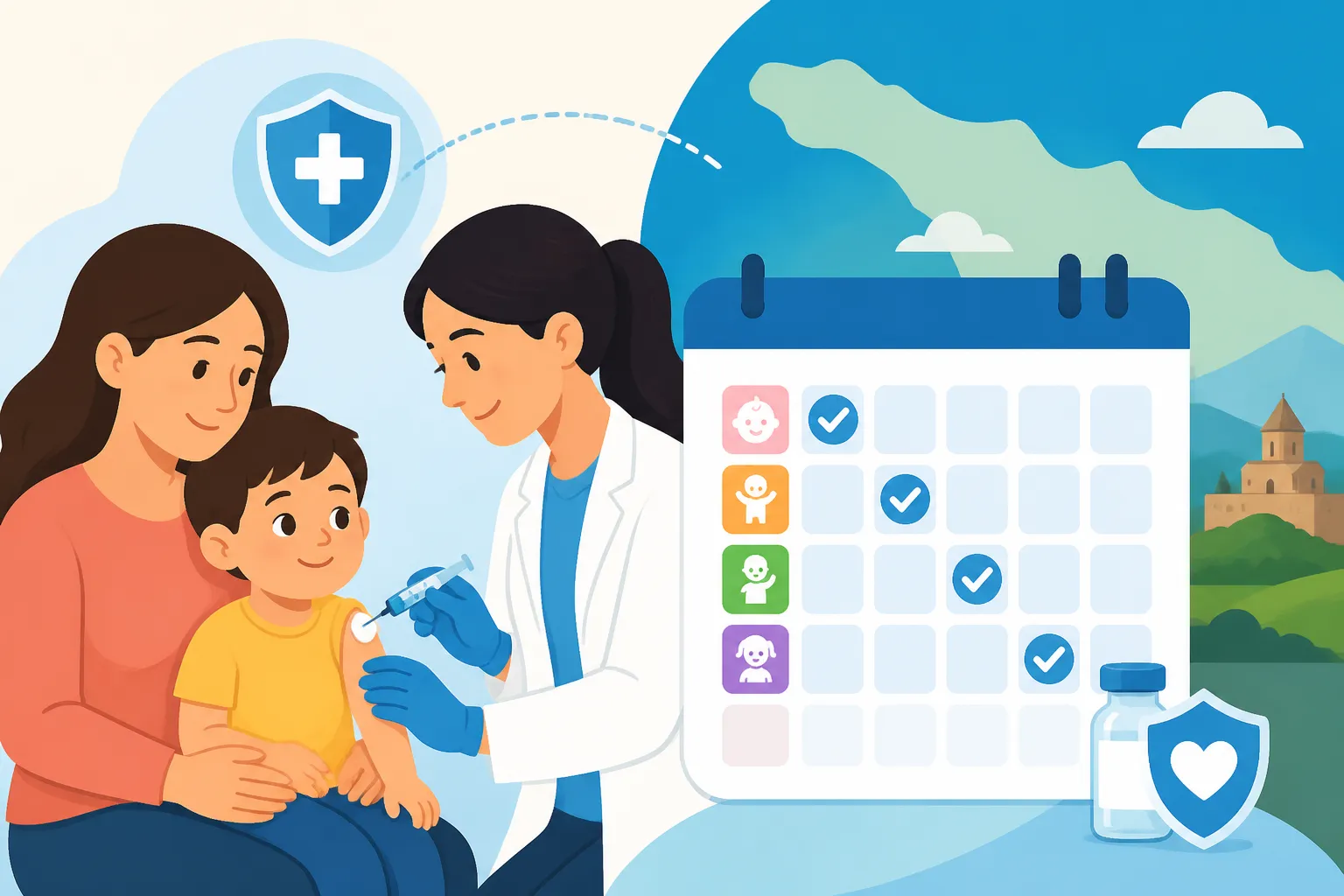
Understanding Childhood Vaccination Schedules in Georgia
Moving to Georgia with kids brings a whirlwind of things to organize, and honestly, one of the biggest headaches I hear from expat parents, myself included, is figuring out the local healthcare system, especially when it comes to keeping those little ones protected with vaccinations. It can feel like wading through treacle trying to reconcile your home country's schedule with Georgia's, dealing with language barriers, and just generally understanding what's expected. This guide is here to untangle all that confusion, giving you a clear roadmap to understanding and navigating childhood vaccination schedules in Georgia.
Navigating the Georgian Childhood Vaccination System as an Expat
When you first land in Georgia with your family, the sheer amount of new information can be overwhelming. From finding a place to live to getting your taxes sorted, every administrative task feels magnified, and healthcare for your children is naturally top of mind. Many of us arrive with existing vaccination records from our home countries, often beautifully organized in a neat little booklet, only to find the Georgian system operates a little differently. It’s not necessarily worse, just… different, and that difference can be a source of real anxiety for parents trying to do right by their kids.
Initial Culture Shock and Information Overload
I remember the initial panic when trying to figure out where my child was on the local vaccination schedule. In some Western countries, schedules are meticulously planned years in advance, with clear guidance available at every turn. Here in Georgia, while the Ministry of Health has a robust national immunization program, the way information is disseminated, and services are accessed, might not be what you’re used to. It's a system that has roots in the former Soviet health structure but has significantly evolved, incorporating World Health Organization (WHO) recommendations over the years. This blend can sometimes lead to slight variations in practice or an initial struggle to find fully translated, easy-to-understand resources. You might encounter doctors who refer to vaccine names differently or clinics that seem to run on a less rigid appointment system than you're accustomed to. Don't worry, you're not alone in feeling a bit lost at first; it's a completely normal part of adapting to a new country's medical norms.
The good news is that Georgia is committed to high immunization rates, and vaccines are readily available. The challenge is often more about navigation and understanding the nuances rather than a lack of provision. You'll find a combination of state-provided vaccinations, which are generally free or very low cost, and private options that offer more convenience, English-speaking staff, and sometimes access to specific imported vaccine brands. It’s about understanding both avenues and deciding which path best suits your family's needs and comfort level.
The Importance of Vaccinations in Georgia
Regardless of where you come from, the fundamental importance of vaccinating your children remains universal. In Georgia, like anywhere else, vaccinations protect against a range of serious, and sometimes life-threatening, infectious diseases. While some diseases might be rare in your home country due to high vaccination rates, they could still be present in other parts of the world, including some areas of Georgia or neighboring regions. Maintaining your child's immunization schedule helps create "herd immunity," protecting not only your child but also the most vulnerable members of the community, such as infants too young to be vaccinated or individuals with compromised immune systems.
For expat families, keeping up with vaccinations is particularly crucial, especially if you plan on traveling frequently within the region or sending your children to local schools or daycare. Many educational institutions in Georgia, whether local public schools or international private ones, will require proof of up-to-date vaccinations for enrollment. Beyond the immediate health benefits, having proper vaccination records also simplifies future administrative processes, such as applying for certain residence permits or enrolling in new schools if you move again. It’s a foundational part of your child’s health and administrative well-being here. If you're looking for a broader overview of the healthcare system, our guide on The Complete Guide to Healthcare in Georgia for Expats (2027) might be a helpful read.
The Official Georgian National Immunization Schedule
Georgia's national immunization program closely follows the recommendations set by the World Health Organization, ensuring that children are protected against common and dangerous diseases. This schedule is regularly reviewed and updated based on epidemiological data and global best practices, so while the core vaccines remain consistent, there might be occasional adjustments or additions. For expat parents, understanding this official schedule is your starting point, allowing you to compare it with your child's existing records and identify any gaps that might need addressing.
Key Vaccines and When They Are Given
The Georgian national schedule covers a comprehensive range of vaccines, designed to protect children from birth through adolescence. You’ll find familiar names here, often given at similar ages to schedules you might know from back home. The key vaccines included are:
- BCG (Bacillus Calmette-Guérin): Protection against tuberculosis.
- Hepatitis B (Hep B): Protects against the Hepatitis B virus.
- DTP (Diphtheria, Tetanus, Pertussis/Whooping Cough): A combination vaccine.
- Polio (Inactivated Poliovirus Vaccine – IPV and Oral Polio Vaccine – OPV): Protecting against poliomyelitis.
- Hib (Haemophilus influenzae type b): Protects against a range of serious infections caused by the Hib bacterium.
- PCV (Pneumococcal Conjugate Vaccine): Protects against pneumococcal diseases.
- Rotavirus: Protects against rotavirus infections, a common cause of severe diarrhea in infants.
- MMR (Measles, Mumps, Rubella): A combination vaccine protecting against these three viral diseases.
- Varicella (Chickenpox): While not universally provided free by the state, it's often available privately and sometimes included in the state program depending on updates.
- HPV (Human Papillomavirus): For adolescents, protecting against HPV-related cancers.
- Td (Tetanus and Diphtheria) / Tdap (Tetanus, Diphtheria, Pertussis): Boosters for older children and adolescents.
The schedule is designed to provide primary immunity early in life, with booster doses given later to maintain protection. For instance, DTP, Polio, and Hep B often involve a series of doses in the first year, followed by boosters. Recent changes have aimed to streamline vaccine administration and ensure maximum efficacy, sometimes introducing new combination vaccines or adjusting the timing slightly. Always consult with a local pediatrician to get the most up-to-date information, as things can evolve.
Understanding the Schedule: Birth to Adolescence
Let's break down the typical Georgian childhood vaccination schedule by age group. This table provides a general overview, but please remember that individual circumstances, such as a child's health status or a late start to vaccinations, might require a personalized plan from your doctor.
| Age / Period | Recommended Vaccines | Notes |
|---|---|---|
| Birth (within 12-24 hrs) | Hepatitis B (1st dose) | Usually given in the maternity ward. |
| Birth (3-5 days) | BCG | Given before discharge from the maternity ward or shortly after. |
| 1 Month | Hepatitis B (2nd dose) | |
| 2 Months | DTP-HepB-Hib-IPV (1st dose), PCV (1st dose), Rotavirus (1st dose) | Often administered as a combination vaccine to reduce the number of injections. |
| 3 Months | Rotavirus (2nd dose) | |
| 4 Months | DTP-HepB-Hib-IPV (2nd dose), PCV (2nd dose) | Continuation of the primary series. |
| 6 Months | DTP-HepB-Hib-IPV (3rd dose), PCV (3rd dose) | Completion of primary series for these vaccines. |
| 12 Months | MMR (1st dose), Varicella (1st dose – often private or selectively state-funded) | First dose of Measles, Mumps, Rubella. |
| 18 Months | DTP-HepB-Hib-IPV (Booster) | A crucial booster dose to maintain immunity. |
| 5-6 Years | MMR (2nd dose), Td/Tdap (Booster), IPV (Booster) | Often administered before school entry. |
| 10-12 Years | HPV (initial series for girls, sometimes boys), Td/Tdap (Booster) | Target age for HPV vaccination; Td/Tdap booster reinforces protection. |
This structured approach ensures that children build robust immunity against a wide array of diseases at the most effective stages of their development. If you're just starting your journey into Georgian healthcare, you might want to look into How Expats Access Healthcare in Georgia: The Complete Guide (2027) for a broader picture.
Where to Get Vaccinations: Public vs. Private Options
Once you understand what vaccinations your child needs, the next big question for expat parents is where to get them. Georgia offers a dual system: public polyclinics and a growing number of private clinics and hospitals. Each has its own set of advantages and disadvantages, and your choice will likely depend on factors like cost, convenience, language preference, and your health insurance coverage. It’s definitely not a one-size-fits-all situation, and what works for one family might not be the best fit for another.
State Polyclinics: The Standard Route
The most common and often first point of contact for routine childhood vaccinations in Georgia is the state-run polyclinic system. These are typically district-based clinics, and you would usually register your child with one local to your residence. The significant advantage here is cost: many of the standard childhood vaccinations on the national schedule are provided free of charge or at a very minimal cost, particularly for legal residents who are part of the Universal Healthcare Program (UHC). This can be a huge relief on the family budget, especially if you have multiple children. If you're wondering about your eligibility for the UHC, our guide on Understanding the Universal Healthcare Program (UHC) in Georgia goes into more detail.
However, there are a few things to be aware of. Language can be a significant barrier; while some staff might speak basic English, detailed medical conversations might require a Georgian-speaking friend, translator, or a translation app. The facilities, while functional, might not always be as modern or comfortable as what you’re used to in Western countries. Wait times can sometimes be longer, and the overall experience can feel a bit more bureaucratic. That said, the medical staff are generally dedicated and competent, and the vaccines provided are all approved and effective. For those on a tight budget or who have access to a translator, state polyclinics are a perfectly viable and widely used option.
Private Clinics and International Hospitals
For many expat families, private clinics and international hospitals offer a more familiar and often smoother experience. These facilities typically boast modern amenities, shorter wait times, and, crucially, English-speaking doctors and administrative staff. This significantly reduces the stress of appointments and ensures you can fully understand your child's care. Popular choices in Tbilisi that cater to the expat community often include places like Medlab, MediClub Georgia, and Pineo Medical Center, which are known for their pediatric departments and ability to handle international patients. These clinics frequently carry a wider range of vaccine brands, including some imported options that parents might prefer or be familiar with from their home countries.
The main downside, as you might expect, is the cost. Vaccinations at private clinics come with a fee, which can vary depending on the specific vaccine and the clinic's pricing structure. While the convenience and language support are invaluable, these costs can add up quickly. This is where private health insurance becomes incredibly important. Many international health insurance plans, and even some local private plans, will cover routine childhood vaccinations at private clinics, or at least a significant portion of the consultation fees. Companies like SafetyWing, for instance, offer plans that expats often use to cover medical expenses, including those at private facilities, giving you peace of mind and access to preferred services. If you're exploring your options, our piece on Health Insurance in Georgia: Private and International Options Explained delves deeper into what's available.
Cost and Insurance Considerations
The cost of childhood vaccinations in Georgia can range from virtually free at state polyclinics (for eligible residents) to several hundred Lari per dose at private facilities. A single vaccine dose at a private clinic might cost anywhere from 50 to 200 GEL or more, not including the consultation fee. When you're looking at a series of vaccines and boosters, this can become a substantial expense. This is why having appropriate health coverage is so vital for expat families.
If you have private health insurance, whether it's an international plan or a local one, it's absolutely crucial to check your policy's specifics regarding pediatric care and vaccinations. Some plans will offer full reimbursement for routine immunizations, while others might cover the doctor's visit but not the vaccine itself, or only certain vaccines. Be sure to ask your insurance provider about "well-child visits" and "preventive care" coverage, as vaccinations often fall under these categories. For instance, while SafetyWing provides comprehensive travel medical insurance often used by digital nomads and expats, you'd want to confirm specific routine vaccination coverage for your child. Understanding The Cost of Healthcare in Georgia: A Complete Breakdown for Foreigners (2026) will also give you a better grasp of typical expenses. Comparing private vs. public options is something we cover in Public vs Private Healthcare in Georgia: What Expats Need to Know, which could help you make an informed decision based on your financial situation and preferences.
Catch-Up Schedules and Managing Missing Records
One of the most common scenarios expat parents face is arriving in Georgia with a child who has either missed some vaccinations or whose records don't perfectly align with the local schedule. This can happen for a myriad of reasons, from different national schedules to simply losing track of paperwork during a big international move. It’s a situation that can feel incredibly daunting, but thankfully, there are well-established protocols for handling it.
What to Do if Your Child Missed Vaccinations
If you suspect your child has missed one or more vaccinations according to the Georgian schedule, the absolute first step is to consult with a Georgian pediatrician. Do not try to self-diagnose or create your own catch-up plan. A qualified doctor will be able to assess your child's existing vaccination status, compare it against the national recommendations, and then develop a personalized catch-up schedule. It’s important to remember that for most vaccines, simply resuming the schedule where it left off, or slightly adjusting the intervals, is sufficient. There's usually no need to restart an entire series, even if there's been a long gap. The pediatrician will prioritize the most critical missing doses and plan the subsequent ones to ensure your child achieves full protection as quickly and safely as possible.
This process is quite standard globally, and Georgian doctors are accustomed to dealing with varied immunization histories. They will guide you through which vaccines are immediately necessary and how to space out subsequent doses to ensure maximum efficacy and minimal stress for your child. It might involve a few extra appointments in the beginning, but it's a critical step to ensure your child is fully protected in their new environment.
Dealing with Foreign Vaccination Records
Bringing your child’s vaccination records from your home country is essential. However, merely presenting the original document might not be enough. Most Georgian medical facilities, especially state polyclinics, will require an officially certified translation of your child's vaccination history into Georgian. This isn't just a formality; it ensures that the medical staff can accurately interpret the vaccine names, dates, and dosages, which can sometimes differ in terminology from country to country. It helps them build a comprehensive picture of your child's immunization status.
If your records are unclear, incomplete, or if you simply don't have them, the pediatrician might recommend antibody tests for certain diseases (like Measles, Mumps, Rubella, or Hepatitis B) to see if your child already has immunity. If immunity levels are low or absent, or if testing isn't feasible, the doctor might recommend re-vaccination. While the idea of re-vaccinating can sound concerning, it’s generally considered safe and effective, ensuring your child receives the necessary protection without harm. Always clarify with your doctor whether re-vaccination or antibody testing is the best course of action for your particular situation. Our guide on How to Get Health Coverage as a Newcomer in Georgia also has some advice on getting set up with local healthcare services.
Specific Concerns for Expat Parents
Navigating the healthcare system in a foreign country always comes with its unique set of challenges, and for expat parents, this often includes specific worries about finding the right doctor, understanding vaccine availability, and ensuring school compliance. These concerns are completely valid, and it’s important to address them head-on to minimize stress and ensure your child receives the best possible care in Georgia.
Finding English-Speaking Pediatricians
One of the most significant anxieties for expat parents is the language barrier, especially when it comes to sensitive medical conversations about their children. The thought of trying to explain a complex symptom or understand a doctor’s diagnosis in a language you’re not fluent in is enough to make anyone break out in a cold sweat. Thankfully, in major cities like Tbilisi and Batumi, finding English-speaking pediatricians is becoming increasingly easier, particularly within private clinics and international medical centers.
My advice is to leverage expat community groups on social media platforms, ask for recommendations from other expat parents, or simply contact private clinics directly and inquire about their English-speaking staff. Websites for clinics like Medlab, MediClub Georgia, and Pineo Medical Center often specify if they have international departments or doctors fluent in English. While it might take a bit of searching, the peace of mind that comes from being able to communicate clearly with your child’s doctor is absolutely worth the effort. For more general advice on this topic, you might find our article How to Find an English-Speaking Doctor in Georgia particularly useful.
Vaccine Availability and Brands
Expat parents often have preferences or familiarity with specific vaccine brands from their home countries. In Georgia, the national immunization program primarily uses WHO-approved vaccines, which are generally sourced internationally or produced under license. These vaccines are safe and effective. However, if you're seeking a very specific brand or a particular combination vaccine (e.g., a 5-in-1 or 6-in-1 vaccine that isn't standard in the state program), you might need to explore private clinics.
Private facilities often import a wider variety of vaccine brands, offering more choice. It's perfectly acceptable to discuss your preferences with your pediatrician. They can advise on availability, any differences in formulations, and help you make an informed decision that aligns with your comfort level, while always prioritizing your child's health and the effectiveness of the immunization. Rest assured, all vaccines approved for use in Georgia, whether in public or private settings, meet rigorous international safety and efficacy standards.
School and Daycare Entry Requirements
Enrolling your child in a Georgian school or daycare, whether public or private, typically requires presenting up-to-date vaccination records. This is a standard public health measure globally, designed to protect the school community from preventable disease outbreaks. The specific requirements can vary slightly between institutions, with international schools often having stricter or more Western-aligned expectations, but generally, they will want to see proof of vaccination against diseases like Measles, Mumps, Rubella, Polio, and DTP.
To prepare for this, ensure all your child's vaccination records are either in English and clearly legible, or ideally, officially translated into Georgian. Your pediatrician can help you consolidate these into a "vaccination passport" or a standard medical form that will be recognized by Georgian institutions. If your child is on a catch-up schedule, communicate this openly with the school, providing a letter from your doctor outlining the plan. Most institutions are understanding, as long as there's a clear, medical plan in place. This proactive approach helps avoid any last-minute administrative headaches and ensures a smooth transition for your child into their new educational environment. This is just one aspect of Navigating the Georgian Healthcare System: An Expat's Roadmap (2027) that many expats find challenging.
Proactive Steps and Further Resources
Getting your child vaccinated in a new country might seem like a marathon, not a sprint, but with some proactive planning and knowledge of available resources, it becomes much more manageable. As an expat, you’re often your child’s primary advocate in a foreign healthcare system, so empowering yourself with information and preparation is key.
Preparing for Your Child's Vaccinations
Before each vaccination appointment, a little preparation can go a long way in making the experience smoother for both you and your child. First, always ensure you have all relevant documents: your child’s ID (passport or birth certificate), their existing vaccination records (original and Georgian translation), and any health insurance details. If you’re visiting a state clinic, proof of residency might also be required.
For your child, consider bringing a favorite toy, book, or even a tablet with a comforting show to help with distraction. Depending on their age, explaining what will happen in simple, reassuring terms can also reduce anxiety. Don't hesitate to ask your pediatrician about pain relief options, like topical anesthetic creams or over-the-counter pain relievers, for after the shot. Remember, a calm parent often translates to a calmer child. After the vaccination, observe your child for any common side effects like fever or soreness at the injection site, and know when to seek medical advice if concerns arise.
Staying Informed and Advocating for Your Child's Health
The best defense is a good offense, as they say. For your child's health, this means staying informed and being a proactive advocate. Don’t rely solely on what you think you know from your home country; local health guidelines can differ. Keep open lines of communication with your chosen pediatrician, asking questions until you fully understand everything. If you find the language barrier challenging, don’t hesitate to bring a trusted Georgian friend or a professional translator to appointments.
Engaging with online expat parent groups in Georgia can also be a goldmine of practical advice and shared experiences. Other parents have likely faced similar challenges and can offer tips on clinics, doctors, and navigating the system. While not a substitute for professional medical advice, these groups provide invaluable peer support and insights. Finally, regularly review your child’s vaccination status against the Georgian national schedule and ensure all records are meticulously kept and easily accessible. Being organized and informed will empower you to make the best health decisions for your child in Georgia, ensuring they remain happy and healthy. Many parents also consider How to Choose Between Local and International Health Insurance in Georgia to optimize their coverage for preventive care like vaccinations.
Disclaimer
The information provided in this article is intended for general guidance and informational purposes only, and does not constitute medical or professional advice. While we strive to keep the information up-to-date and accurate, healthcare regulations, vaccination schedules, and medical practices in Georgia can change. Always consult with a qualified healthcare professional, such as a pediatrician or general practitioner in Georgia, for personalized medical advice regarding your child's vaccination needs and health concerns. Reliance on any information provided in this article is solely at your own risk.