What Is the Best Private Health Insurance for Expats in Georgia?
One of the trickiest parts of settling into life in Georgia is wrestling with the healthcare system, especially when it comes to figuring out insurance. Many of us arrive assuming the local public system will cover us, only to find that it's a bit of a labyrinth, and not always ideal for our specific needs as foreigners. This guide is here to walk you through the ins and outs of private health insurance in Georgia, helping you understand why it's often the best choice and what to look for to ensure you and your loved ones are truly covered.
Why Private Health Insurance is a Smart Move for Expats in Georgia
When you first arrive in Georgia, the thought of healthcare can be daunting. You've got so much on your plate – finding a place to live, maybe How to Register as an Individual Entrepreneur in Georgia, or just getting your bearings. It’s easy to push health insurance down the priority list, but that would be a mistake. Relying solely on the public system, while functional for many citizens, often leaves significant gaps for us expats. Private health insurance isn't just a luxury here; it's practically a necessity for genuine peace of mind and access to quality care.
Bridging the Gaps in Universal Healthcare UHC
Georgia does have a Universal Healthcare Program (UHC), and it's a fantastic safety net for its citizens. However, if you're an expat, particularly if you don't hold Georgian citizenship or certain types of long-term residence, your access to this program might be limited or confusing. Even if you do qualify, the UHC primarily covers basic services and emergencies, often requiring co-payments and leaving you with significant out-of-pocket expenses for anything beyond the bare minimum. You might find yourself asking, Is Healthcare Free in Georgia for Residents? – and the answer, for most expats, is "not really" in the way you'd hope.
Many expats I know have shared stories of navigating the public system, which can be bureaucratic and slow. Appointments might take longer to secure, and the range of specialists immediately available could be narrower. Crucially, the public system often lacks the comprehensive English-speaking services that many of us rely on, making communication during vulnerable medical situations incredibly stressful. This is where private health insurance truly shines, stepping in to fill those crucial gaps and offering a more streamlined, predictable experience.
Furthermore, if you're working here, your employer might offer some form of health coverage. However, it's vital to scrutinize these plans closely. Often, they are basic local policies designed for Georgian citizens, not necessarily tailored to the broader needs or higher expectations of expats, especially concerning international emergencies or specific treatments. Always compare any employer-provided plan with what a dedicated private insurance policy offers.
Accessing English-Speaking Doctors and Modern Facilities
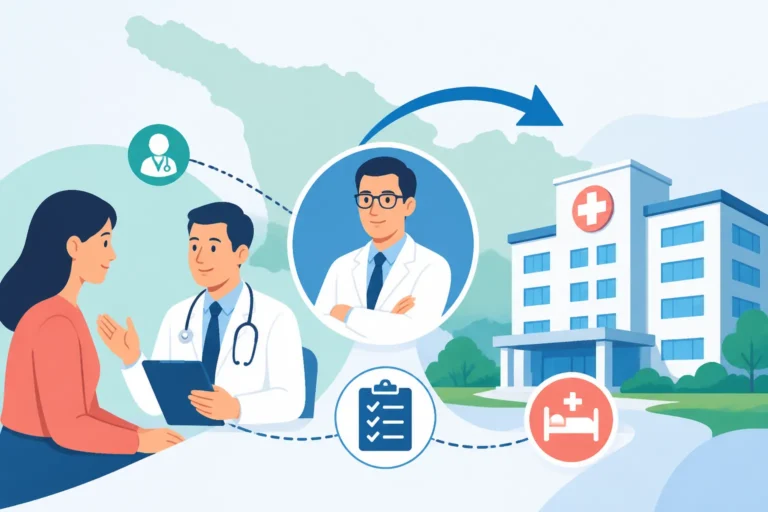
One of the biggest advantages of private health insurance in Georgia is the door it opens to a network of private clinics and hospitals. These facilities are generally more modern, better equipped, and critically, far more likely to have English-speaking medical staff. Trying to explain your symptoms in broken Georgian (or relying on Google Translate) during a medical emergency is an experience no one wants. Private insurance ensures you can choose providers where clear communication isn't an added stressor. Many expats prioritize finding How to Find an English-Speaking Doctor in Georgia, and private insurance is often the key to this access.
For instance, major private hospitals like Evex Medical Corporation clinics or the American Hospital Tbilisi are popular choices for expats precisely because they cater to an international clientele. These institutions typically boast higher standards of care, advanced diagnostic equipment, and a patient-centric approach that feels more familiar to many foreigners. Without private insurance, the costs associated with these top-tier facilities can be prohibitive, pushing you back into the potentially less comfortable public system.
Beyond general practitioners, specialist care is another area where private insurance proves invaluable. Whether you need to see a dermatologist, a cardiologist, or an orthopedist, private plans often give you direct access to specialists without lengthy wait times or complex referral processes that can plague public systems. This means faster diagnosis and treatment, which can be critical for many conditions.
Peace of Mind for Emergencies and Specialized Care
Let's face it, getting sick or having an accident abroad is one of our biggest fears. While the emergency services in Georgia are generally responsive (you can dial 112 for all emergencies), the follow-up care, hospital stay, or specialized treatment can quickly become a financial nightmare without proper coverage. For urgent situations, having private insurance means you can be transported to and treated at the best available facility, often without worrying about immediate payment or the quality of care. It’s about ensuring you receive Emergency Medical Care in Georgia: What Every Expat Needs to Know without added financial stress.
Consider a scenario where you're hiking in the mountains and suffer a fracture. An ambulance will get you to the nearest hospital. But what if that hospital doesn't have the specialist surgeon or the modern equipment you need? Private insurance often covers transfers to better-equipped facilities, even medical evacuation if necessary, which can literally be a lifesaver. This kind of comprehensive coverage for severe incidents is rarely found within the public system for foreigners.
Furthermore, private plans often include benefits for specialized care that the UHC might not cover fully, such as certain therapies, dental work, or specific diagnostic tests. If you have any ongoing health conditions, or anticipate needing particular treatments, private insurance is your best bet for ensuring these needs are met without breaking the bank. The overall The Cost of Healthcare in Georgia: A Complete Breakdown for Foreigners (2026) can be significantly mitigated with a robust private policy.
Key Factors to Consider When Choosing Your Private Health Insurance
Choosing the right private health insurance isn't a "one size fits all" situation. There are so many variables, and what's perfect for a young, single digital nomad might be completely inadequate for a family with young children or a retiree with pre-existing conditions. It requires a bit of homework, but understanding these key factors will help you narrow down your options and make an informed decision. Remember, you're not just buying a piece of paper; you're investing in your health and peace of mind.
Coverage Scope: What's In and What's Out?
This is probably the most critical aspect to examine. Don't just look at the premium; dive deep into what the policy actually covers. Are we talking basic hospitalization and emergency care, or does it extend to outpatient visits, specialist consultations, prescription medications, and dental care? Many cheaper plans are "hospitalization-only," meaning routine doctor visits or unexpected trips to the pharmacy come straight out of your pocket. For a more comprehensive understanding, you'll want to review the typical benefits outlined in Understanding Private Health Insurance Plans in Georgia.
Think about your own health needs. Do you have a chronic condition that requires regular check-ups or medication? Are you planning a family and might need maternity care? Does it cover mental health services, which are increasingly important for expats navigating new environments? Some policies might exclude specific treatments or types of care, or have annual limits that could quickly be exhausted if you face a serious illness. Always read the fine print regarding inclusions, exclusions, and overall annual limits. Don't be afraid to ask for a full list of covered services.
Furthermore, look at geographical coverage. Is it strictly for Georgia, or does it cover you if you travel outside the country? For many digital nomads or those who frequently travel to neighboring countries or back home, international coverage can be incredibly valuable. Some travel insurance plans, like those offered by SafetyWing, are specifically designed for digital nomads and cover you worldwide (excluding your home country), which can be an excellent option if you're not planning to stay in Georgia year-round.
Local vs. International Providers
This is a big decision point for many expats. You essentially have two main categories:
- Local Georgian Insurance Companies: These include providers like GPI Holding, Aldagi, or Ardi Insurance. They typically offer more affordable premiums and are well-integrated with the local healthcare system. Their policies are designed for the Georgian market, so understanding the specifics might require some translation or a Georgian-speaking friend, unless they have a dedicated expat service. They often work with a network of local clinics and hospitals, streamlining direct billing. However, their coverage outside Georgia might be limited, and their customer service might not always be in English.
- International Health Insurance Providers: These are global companies like Cigna Global, Aetna International, or Bupa Global. They are generally more expensive but offer truly comprehensive, worldwide coverage (often with options to exclude the USA to reduce premiums). They are designed with expats in mind, offering English-speaking customer service, direct billing with a wide network of international hospitals, and often higher limits and broader coverage for specialized treatments. This is often the "gold standard" for expats who want maximum flexibility and peace of mind, especially if they travel frequently or expect to move to another country in the future. SafetyWing, for example, primarily focuses on international coverage for nomads and remote workers. For a deep dive into this choice, check out How to Choose Between Local and International Health Insurance in Georgia.
The choice really boils down to your budget, your travel habits, and how comfortable you are navigating a potentially less English-friendly local system versus paying more for global convenience.
Understanding Premiums, Deductibles, and Co-pays
When evaluating costs, you need to look beyond just the monthly or annual premium. These three terms are crucial for understanding your total financial responsibility:
- Premium: This is the regular payment you make to keep your insurance policy active. It can be paid monthly, quarterly, or annually. Higher coverage, lower deductibles, and older age typically mean higher premiums.
- Deductible: This is the amount of money you must pay out of pocket for covered medical expenses before your insurance plan starts to pay. For example, if you have a €500 deductible, you pay the first €500 of your medical bills each year, and then your insurance kicks in. Plans with higher deductibles usually have lower premiums, and vice-versa.
- Co-pay (or Co-insurance): This is a fixed amount you pay for a covered service after you've met your deductible. For instance, you might have a €20 co-pay for a doctor's visit, with the insurance covering the rest. Co-insurance is a percentage you pay (e.g., 20%), with the insurance covering the remaining percentage (80%).
It’s crucial to understand Understanding Out-of-Pocket Healthcare Costs in Georgia which can quickly add up if you're not fully aware of these components. A plan with a low premium might look appealing, but if it has a very high deductible, you could be on the hook for a significant amount before the insurance even starts helping. Always calculate your potential worst-case scenario.
Pre-Existing Conditions and Age Limits
This is a major sticking point for many. If you have any health conditions that existed before you purchased your insurance policy, these are considered "pre-existing conditions." Most insurance companies will have specific rules around them:
- Exclusion: Some policies will simply exclude any treatment related to your pre-existing condition.
- Waiting Period: Other policies might cover pre-existing conditions after a waiting period (e.g., 6 or 12 months), meaning you'll have to pay for any related treatment yourself during that time.
- Loading: The insurer might agree to cover your pre-existing condition but charge a higher premium (a "loading").
It's absolutely vital to be honest about any pre-existing conditions when applying. Failing to disclose them can lead to your policy being invalidated when you need it most. For older expats, age limits can also be a factor, with some policies having an upper age limit for new applicants or significantly increasing premiums for those over a certain age. If you're over 50 or have a complex medical history, it's even more important to meticulously compare policies and speak directly with insurers about their specific terms.
Navigating the Options: Types of Private Health Insurance Plans
Now that you know what to look for, let's explore the different types of plans available to expats in Georgia. The "best" plan isn't universally defined; it's the one that best fits your individual circumstances, budget, and risk tolerance. From basic local coverage to comprehensive international options, there's a spectrum of choices, each with its own pros and cons.
Basic Local Plans: Cost-Effective Choices
Many expats, especially those on a tighter budget or those who are generally healthy and plan to stay predominantly within Georgia, opt for local health insurance plans. These are typically offered by Georgian companies like GPI Holding, Aldagi, or Ardi Insurance. These plans are appealing because they are usually significantly more affordable than their international counterparts, making them a great entry point for getting coverage.
Local plans are designed to work seamlessly within Georgia’s healthcare infrastructure. They often have direct billing agreements with a network of local clinics, hospitals, and pharmacies, which means less hassle for you when it comes to payments and claims. You simply present your insurance card, and the provider handles the rest directly with your insurer. This can make routine doctor visits or even minor emergencies much smoother.
However, there are downsides. The biggest limitation is often the scope of coverage, which may be restricted to Georgia only, or offer very minimal emergency coverage abroad. The customer service might not always be in English, and the range of covered services, while adequate for many, might not be as extensive as international plans. For example, they might have lower limits for outpatient care, exclude certain specialized treatments, or have longer waiting periods for specific procedures. It's a trade-off: lower cost for potentially less comprehensive coverage and international portability. If you're planning to live and work primarily in Georgia, and your budget is a key concern, a robust local plan could be a sensible choice.
Comprehensive International Coverage: The Gold Standard
For many expats, especially those who see themselves as global citizens, frequently travel, or plan to move to other countries in the future, comprehensive international health insurance is often considered the ideal solution. Companies like Cigna Global, Aetna International, or Bupa Global specialize in these plans, offering coverage that extends well beyond Georgia's borders. These policies are specifically designed for the expat lifestyle, understanding that your healthcare needs might not be confined to a single country.
The benefits here are extensive: worldwide coverage (often with an option to exclude the US to reduce premiums), access to a vast network of international hospitals and clinics, English-speaking customer service available 24/7, higher coverage limits, and a broader range of covered treatments including sophisticated procedures, mental health, and sometimes even dental and optical care as add-ons. They often cover medical evacuation and repatriation, which can be critical if you fall seriously ill in Georgia and need to be transported to another country for specialized treatment.
The main drawback, as you might expect, is the cost. International plans are significantly more expensive than local ones. However, for those who value extensive coverage, flexibility, and the peace of mind that comes from knowing you're covered almost anywhere in the world by a familiar, English-speaking provider, the investment is often worth it. If you're building a life as an expat or digital nomad, and budget allows, this is typically the most robust option. For more details, refer to Can I Use International Health Insurance at Georgian Hospitals?.
Travel Insurance That Extends Your Stay
Sometimes, the lines between travel insurance and health insurance can blur, especially for long-term travelers or digital nomads. While standard travel insurance is great for short trips and covers emergencies, most policies are not designed for long-term residency and might have strict limits on medical care duration or total payout. However, some innovative companies have emerged to fill this gap.
SafetyWing is a prime example of a company that offers a product somewhere between travel and international health insurance, specifically tailored for digital nomads and remote workers. Their "Nomad Insurance" is designed to provide comprehensive travel medical coverage for people from all over the world, while they are outside their home country. It covers you while abroad, including in Georgia, and can even cover short trips back to your home country. It's subscription-based, flexible, and can be purchased and managed online, which is a huge plus for those with fluid travel plans.
While SafetyWing is not a full-blown private international health insurance plan like Cigna or Aetna (which offer broader elective care and higher limits for chronic conditions), it provides excellent emergency medical coverage, travel delay benefits, personal liability, and some basic outpatient care. For many digital nomads who are generally healthy and want robust protection for unexpected medical incidents and travel-related issues without the high cost of a traditional international plan, it's an incredibly appealing and cost-effective option. It truly helps avoid the terrifying question of What Happens If I Get Sick Without Insurance in Georgia?.
Making Your Decision and Applying for Coverage
Once you’ve done your research, understood the types of plans, and weighed your personal needs against the various options, it’s time to move towards securing your coverage. This final stage involves gathering documentation, navigating the application, and understanding how to activate your policy and make a claim. It’s important to approach this methodically to ensure you don’t hit any unexpected snags.
Gathering Necessary Documents and Information
Before you even start an application, prepare a list of essential documents and information. This will make the process much smoother and faster. Most insurance providers, whether local or international, will require:
- Proof of Identity: Your passport is typically the primary document.
- Proof of Address in Georgia: This could be a rental agreement, utility bill, or a letter from your landlord.
- Residence Permit (if applicable): If you have a Georgian residence permit, definitely include this. While you can sometimes get insurance before obtaining one, having it helps establish your long-term intent.
- Personal Information: Full name, date of birth, contact details, nationality.
- Medical History: This is crucial. Be prepared to disclose any pre-existing conditions, past surgeries, significant illnesses, or ongoing medications. Honesty here is paramount to avoid future claims being denied.
- Occupation: Some insurers might ask about your profession, especially if it involves high-risk activities.
- Payment Details: Bank account or credit card information for premium payments.
It’s a good idea to have digital copies (scans or clear photos) of all your documents ready to upload if applying online. For some local providers, you might need to visit an office in person, especially for the initial application, so having physical copies ready is also smart. If you need help with How to Buy Private Health Insurance After Moving to Georgia, having these documents organized will be your first step.
The Application Process: What to Expect
The application process can vary slightly depending on whether you choose a local or an international provider.
For local Georgian insurers like GPI Holding or Ardi, you can often start the process online, get a quote, and sometimes even submit an initial application. However, many expats find that an in-person visit to one of their branches in Tbilisi, Batumi, or Kutaisi can be beneficial. This allows you to speak directly with an agent (hopefully one who speaks English) who can clarify policy details, help with document submission, and answer any specific questions about local healthcare networks. They might also require a brief medical questionnaire or, in rare cases, a medical check-up, especially for older applicants or those with disclosed pre-existing conditions.
For international providers like Cigna Global or Aetna International, the entire process is almost always online. You'll fill out a detailed application form, including your medical history, and upload your documents. They will then review your application, and if accepted, issue your policy electronically. This streamlined digital approach is incredibly convenient for expats, allowing you to secure coverage even before you arrive in Georgia. Companies like SafetyWing are particularly adept at this, offering a quick and easy sign-up process entirely online.
Regardless of the provider, be patient. The underwriting process (where they assess your risk and determine acceptance and premiums) can take a few days to a few weeks, especially if your medical history is complex. During this time, they might request additional information or clarification.
Activating Your Policy and Understanding Claims
Once your application is approved and your first premium is paid, your policy becomes active. You'll receive your policy documents, usually electronically, which will include your insurance card or membership number, the full terms and conditions, and details on how to use your policy. This document is crucial and should be kept easily accessible.
Understanding how to make a claim is perhaps the most important part of owning health insurance. Don't wait until you're in a crisis to figure this out.
- Direct Billing: For many routine visits to network clinics or hospitals (especially with local insurers), you might experience direct billing. This means the healthcare provider bills the insurance company directly, and you only pay your co-pay or deductible. Always confirm if direct billing is possible before receiving treatment.
- Reimbursement: For other services, particularly with smaller clinics, pharmacies, or if you use an out-of-network provider, you might need to pay upfront and then submit a claim for reimbursement. This involves filling out a claim form, attaching receipts and medical reports, and sending them to your insurer. Keep detailed records of all your medical expenses, including diagnoses, treatments received, and payment receipts. Ensure you understand the specific requirements for claims, such as submission deadlines and necessary documentation.
Always carry your insurance card or policy details with you. In an emergency, this will be the first thing medical staff ask for, and having it readily available can save precious time. Regularly review your policy benefits and keep abreast of any changes, especially if you renew your plan annually.
| Feature | Local Georgian Plans (e.g., GPI, Ardi) | International Plans (e.g., Cigna, Aetna) | Nomad Plans (e.g., SafetyWing) |
|---|---|---|---|
| Primary Target | Residents in Georgia | Expats globally | Digital nomads, remote workers, long-term travelers |
| Geographical Scope | Primarily Georgia, limited emergency abroad | Worldwide (often with US exclusion option) | Worldwide (excluding home country for extended stays) |
| Cost | Generally more affordable | Significantly more expensive | Mid-range, very cost-effective for what it offers |
| Coverage Type | Good for local routine care, emergencies within Georgia | Comprehensive for elective, chronic, and emergency care globally | Strong for emergencies, travel-related medical needs, some outpatient |
| English Support | Varies, might be limited, often requires Georgian speakers | Excellent, 24/7 global support | Good, online-focused with clear English communication |
| Network Access | Strong local network, direct billing common | Extensive global network, direct billing widely available | Covers most licensed medical facilities globally |
| Pre-existing Conditions | Strict exclusions or long waiting periods | Varies, often covered with loading or waiting periods | Usually excluded or very limited |
| Flexibility | Annual contracts | Annual contracts, sometimes multi-year | Monthly subscription, cancel anytime |
| Ideal For | Budget-conscious expats staying mostly in Georgia | Expats wanting premium global coverage, frequent travelers | Healthy digital nomads, long-term backpackers, remote workers |
Disclaimer
The information provided in this guide is for general informational purposes only and does not constitute medical, legal, or financial advice. Healthcare systems and insurance policies are complex and subject to change. While we strive to provide accurate and up-to-date information, readers should always consult with qualified professionals (e.g., insurance brokers, legal advisors, medical practitioners) for advice tailored to their specific circumstances. We do not endorse any specific insurance provider, and individuals should conduct their own thorough research before making any decisions.