What Should I Do in a Medical Emergency in Tbilisi?
Okay, let's talk about something none of us ever want to think about: what happens when a medical emergency strikes here in Tbilisi. It’s a terrifying thought, being in a foreign country, suddenly feeling unwell or witnessing an accident, and not knowing where to turn. This isn't just about calling a number; it's about navigating a system that might feel alien, under immense stress. This guide will walk you through the essential steps, help you understand the local emergency services, and give you practical advice on how to handle medical crises in Georgia's capital.
Recognizing and Responding to an Emergency
When you're far from home, even a minor health scare can feel like a major catastrophe. But there's a big difference between needing urgent care for a bad flu and a genuine medical emergency that requires immediate intervention. Knowing the difference, and how to react, can make all the difference.
Calling for Help: The 112 System
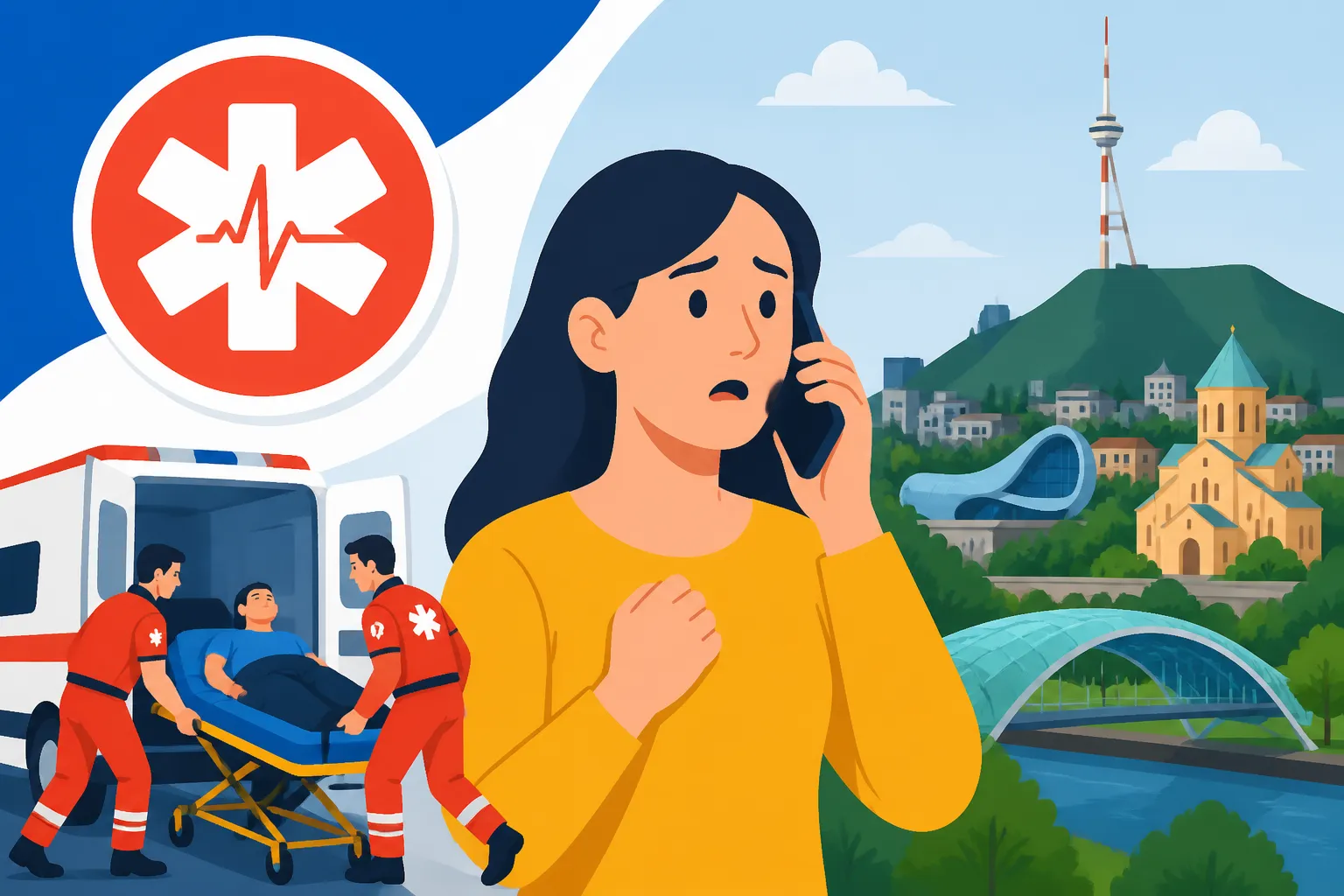
First things first: Georgia's universal emergency number is 112. This isn't just for medical help; it's also for fire and police. When you dial 112 in Tbilisi, you'll be connected to a dispatcher who should be able to communicate in English, especially if you clearly state that you're a foreigner and need English assistance. Be as clear and concise as possible, even though it's incredibly hard when adrenaline is pumping.
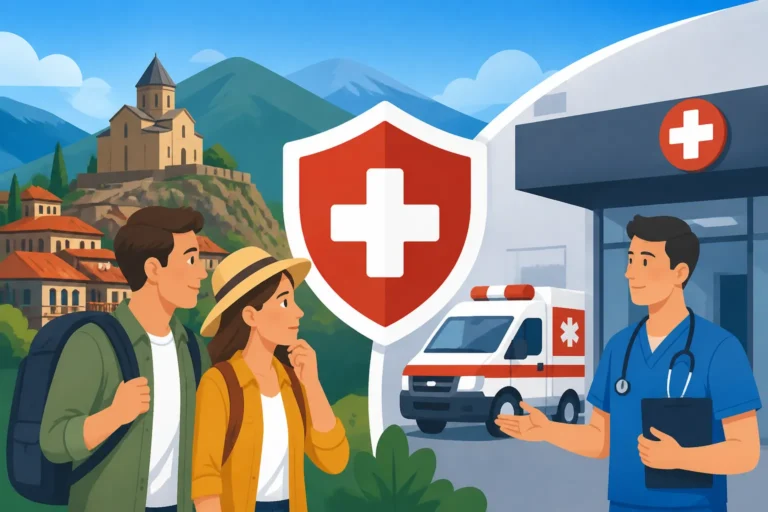
The 112 system is designed to be the central point of contact for all emergencies. It’s the equivalent of 911 in North America or 999 in the UK. Don't hesitate to use it if you suspect a serious condition like a heart attack, stroke, severe injury, or unconsciousness. Remember, it's always better to call and be wrong than to delay and regret it. While the ambulance services in Tbilisi have improved significantly over the years, response times can still vary depending on traffic, location, and the severity of the incident. It's not always as instantaneous as you might be used to in some Western countries. For a deeper dive into this, you might find our guide on Understanding Emergency Numbers (112) and Ambulance Care in Georgia incredibly helpful.
Self-Transport Versus Ambulance
This is a critical decision point that often causes expats a lot of anxiety. Should you call an ambulance or try to get to a hospital yourself? Generally, if the situation is life-threatening, if the patient is unconscious, has severe bleeding, chest pain, difficulty breathing, or a suspected spinal injury, call 112 immediately. Do not attempt to move the person yourself unless they are in immediate danger.
However, for less severe but still urgent situations – say, a broken bone that isn't openly fractured, a high fever that isn't responding to medication, or a deep cut that clearly needs stitches but isn't gushing blood – you might consider self-transport. Taxis are readily available and often quicker through traffic, especially if you know the route to a major hospital. Many expats choose to take a taxi to a private clinic for things they know aren't life-threatening but need quick attention. Apps like Bolt and Yandex Go are reliable and can get you a car quickly. Just be sure to communicate clearly with the driver where you need to go. Remember, an ambulance ride, while necessary in true emergencies, also has a cost associated with it, which your private insurance like SafetyWing would typically cover, but it’s still a factor to consider for borderline cases.
Essential Information to Provide
When you call 112, or even when you arrive at a hospital, having key information ready can speed up the process immensely. First, clearly state your location: the exact street address, apartment number, and any prominent landmarks nearby. If you’re outside, a street name and intersection, or even a description of what you see around you, helps. Second, describe the nature of the emergency: What happened? What are the symptoms? Is the person conscious? Breathing? Bleeding?
Third, provide your contact information, even if it's not you who is the patient. They might need to call you back for more details. If you're with the patient, relay their basic information: name, age, known medical conditions, allergies, and any medications they are currently taking. This is where a small medical card or a note in your phone can be a lifesaver. Keep a list of all your current medications, any serious allergies (especially to drugs), and existing conditions in a language translator app or written down in Georgian, if possible. This little bit of preparation can save crucial minutes.
Navigating Hospitals and Emergency Care in Tbilisi
Once you've made the call or are en route, the next step is dealing with the hospital environment itself. This can be a maze even in your home country, and here in Tbilisi, it comes with its own set of cultural nuances and logistical challenges.
Public Versus Private Emergency Rooms
Tbilisi has both public and private hospitals, and the emergency care experience can differ significantly between them. Public hospitals are generally covered under Georgia's Universal Healthcare Program for eligible residents, but for many expats and tourists, especially those on a short-term stay or not covered by the public system, private hospitals are often the preferred choice due to better facilities, shorter wait times, and more English-speaking staff.
- Public Hospitals: These are the backbone of the Georgian healthcare system. They handle a high volume of patients and critical cases. While they have the necessary equipment and medical expertise for serious emergencies, you might encounter longer wait times, older facilities, and a higher chance of a language barrier. However, for genuinely life-threatening situations, the priority is getting immediate, competent medical intervention, which public hospitals can certainly provide.
- Private Hospitals: Institutions like Evex Medical Corporation hospitals or the American Medical Center are popular choices among expats. They offer modern amenities, often have international departments or English-speaking coordinators, and a generally more streamlined process. For non-life-threatening emergencies, or once a patient is stabilized, many expats choose to transfer to a private facility if their insurance, like SafetyWing, covers it. Be prepared for upfront payments or to show proof of insurance at private facilities. To understand more about the differences, our article Understanding the Difference Between Public and Private Hospitals in Georgia offers a comprehensive comparison.
Here's a quick comparison of what you might expect in an emergency setting:
| Feature | Public Hospitals (Emergency) | Private Hospitals (Emergency) |
|---|---|---|
| Facilities | Can be older, varied condition | Generally modern, well-maintained |
| Wait Times | Potentially longer, especially for non-critical cases | Shorter, more efficient triaging |
| English-Speaking Staff | Limited, might require translation apps or a Georgian speaker | More common, dedicated international coordinators available |
| Cost | Often lower or covered for eligible residents, but significant out-of-pocket for non-insured | Higher, requires direct payment or robust private insurance |
| Equipment | Adequate for critical care | State-of-the-art diagnostic and treatment technology |
| Specialists | Readily available on call | Readily available, sometimes with quicker access |
Communication Challenges and Solutions
Language can be a significant hurdle in a medical emergency. While 112 operators often speak English, not all medical staff in every hospital will be fluent. In public hospitals, it's common to encounter staff with limited or no English. In private clinics, you'll generally find more English speakers, especially among younger doctors and administrative staff.
Here are some strategies to overcome communication barriers:
- Google Translate (or similar apps): Have it ready on your phone. It can be incredibly helpful for basic symptoms or questions, though complex medical discussions might be tricky.
- Friend or Local Contact: If possible, have a Georgian friend or a local contact on standby or even accompany you. Their presence can be invaluable for navigating bureaucracy and translating critical information.
- International Patient Departments: Some larger private hospitals in Tbilisi, like those under the Evex network or clinics such as the American Medical Center, have specific departments or staff dedicated to international patients who are fluent in English and can act as liaisons. When choosing How to Choose a Hospital in Georgia, definitely inquire about this service.
- Prepared Notes: As mentioned earlier, keeping a note with your essential medical information (allergies, conditions, medications) written in both English and Georgian can be extremely useful.
Payment and Insurance Considerations
This is where planning ahead truly pays off. Georgia does not have free healthcare for all residents, and certainly not for tourists or many categories of expats. If you are not a Georgian citizen or an eligible resident under the Universal Healthcare Program, you will be expected to pay for medical services. What Happens If I Get Sick Without Insurance in Georgia? is a question you really don't want to be asking yourself in an emergency.
- Private Health Insurance: This is absolutely essential for expats and tourists. A good private insurance policy will cover emergency treatment, hospitalization, and potentially repatriation if medically necessary. Make sure you understand your policy's terms, deductibles, and how to file a claim before an emergency arises. Companies like SafetyWing offer travel and medical insurance specifically designed for digital nomads and expats, which can be a real lifeline in these situations. Keep your insurance card and policy details readily accessible.
- Upfront Payment: In private hospitals, you might be asked to pay upfront, especially if your insurance is international or they don't have a direct billing agreement. Always ask for a detailed invoice (in English, if possible) to submit to your insurance company for reimbursement. For minor issues, even in public hospitals, you might be asked to pay cash on the spot for certain tests or medications.
- Cost: While healthcare costs in Georgia are generally lower than in many Western countries, emergency services can still add up quickly. An emergency room visit, even without hospitalization, could range from 100 GEL to several hundred GEL, depending on tests and procedures. Hospitalization, surgery, and intensive care will, of course, be significantly more. Our guide on The Cost of Healthcare in Georgia: A Complete Breakdown for Foreigners (2026) provides more detailed estimates.
After the Immediate Crisis: Follow-up and Support
Surviving the immediate emergency is a huge relief, but the journey doesn't end there. The period after an acute crisis is crucial for recovery, managing ongoing care, and processing the experience.
Understanding Follow-up Care
Once you're stable and discharged from the emergency room or hospital, you'll likely need follow-up appointments with a specialist or your general practitioner. This is where the initial choice of hospital or clinic can influence your ongoing care. If you were treated in a private hospital, they will usually arrange follow-up appointments within their network of specialists. If you were in a public hospital, you might need to proactively seek out a private clinic for continuity of care, especially if you prefer English-speaking doctors.
Finding an English-speaking doctor for follow-up can sometimes be a challenge, but Tbilisi has a growing number of clinics catering to the international community. Websites, expat forums, and word-of-mouth recommendations are excellent resources for locating reputable doctors. Don't hesitate to ask for a referral from the emergency room doctor, though this might be in Georgian. Remember that ongoing prescriptions will also need to be managed, and it’s important to understand Prescription Medications and Pharmacies in Georgia: The Complete Guide so you can get your refills without hassle.
Accessing Medical Records
Getting a copy of your medical records from an emergency visit is vital for continuity of care, especially if you plan to see different doctors or return to your home country. In Georgia, you have the right to request your medical records. This typically involves submitting a written request to the hospital's administrative department. Be prepared for some bureaucracy and potentially a waiting period. It's advisable to have a Georgian speaker assist you with this process, especially if the hospital staff doesn't speak English.
Make sure to request all relevant documents: discharge summaries, test results (blood tests, X-rays, scans), and details of any procedures performed and medications prescribed. This comprehensive documentation will be invaluable for any future medical consultations, whether in Tbilisi or elsewhere. Don't forget, your private health insurance provider, like SafetyWing, will also need these records for claims processing, so keep them organized.
Emotional and Logistical Support
A medical emergency is not just a physical ordeal; it's a huge emotional one too. Being ill or injured in a foreign country, away from your usual support network, can be isolating and frightening. Don't underestimate the psychological impact. Lean on your expat community, friends, or family who are with you.
Logistically, you might need help with things like transport, managing your living situation if you're hospitalized, or simply getting groceries while you recover. Many expat groups on social media platforms are incredibly supportive and can offer practical help or direct you to resources. If you have loved ones back home, keep them informed. They might be able to help with coordinating insurance details or simply offer emotional reassurance. Taking care of your mental well-being is just as important as your physical recovery when navigating the aftermath of an emergency abroad.
Disclaimer
The information provided in this article is intended for general guidance only and does not constitute medical, legal, or professional advice. While we strive to offer accurate and up-to-date information, local regulations, medical practices, and circumstances can change. Always consult with qualified medical professionals for personal health concerns and legal experts for specific immigration or financial advice. The author and publisher are not responsible for any actions taken based on the information presented herein.