Are Generic Medicines Available in Georgian Pharmacies?
One of the first anxieties that creeps up on you when you move to a new country like Georgia, especially if you have chronic conditions or just need your usual over-the-counter staples, is, "Will I find my medications? And will they break the bank?" It's a very real and valid worry. The good news is, for many of us expats, the answer to "Are generic medicines available in Georgian pharmacies?" is a resounding "Yes!" This guide is going to walk you through everything you need to know about navigating Georgian pharmacies, understanding generics, and making sure you can access the medications you need without too much fuss or financial strain.
The Georgian Pharmacy Landscape: A Snapshot
Stepping out into the streets of Tbilisi, Batumi, or Kutaisi, one of the first things you'll notice – beyond the stunning architecture and the ever-present smell of khachapuri – is the sheer number of pharmacies. They seem to be on every corner, sometimes two or three within spitting distance of each other. It’s almost bewildering at first, especially if you come from a country where pharmacies are fewer and farther between. This high density is actually a huge benefit for expats, offering unparalleled convenience.
A Plethora of Pharmacies
Seriously, you won't have to look hard to find a pharmacy in Georgia. They are everywhere, often open late, and some even operate 24/7 in major cities. This accessibility is a godsend, particularly when you suddenly come down with a nasty cold at 10 PM and desperately need some relief. You’ll find them brightly lit, often with prominent green crosses, and usually staffed by helpful, if sometimes English-limited, pharmacists. Don't be shy about popping in and asking; even if language is a barrier, pointing and gesturing often gets the job done.
Compared to some Western countries where you might have to plan a special trip to a large drug store, here, medication access is as easy as grabbing your morning coffee. This convenience extends beyond just opening hours; the ease of purchase for many common medications can be surprising for newcomers. It’s a completely different rhythm, and one that many expats quickly grow to appreciate.
Dominant Chains and Independent Stores
While there are smaller, independent pharmacies, the Georgian pharmaceutical market is largely dominated by a few major chains. You'll quickly become familiar with names like PSP, GPC (Georgian Pharmaceutical Company), and Aversi. These are the big players, found in almost every neighborhood, offering a wide range of medications, health products, and often, cosmetics. They typically have modern facilities, well-stocked shelves, and sometimes even a designated English-speaking staff member, especially in tourist-heavy areas of Tbilisi.
These large chains often have their own loyalty programs, which can provide small discounts over time. It’s worth asking about if you plan to be a long-term resident. While their prices are generally competitive, it can sometimes pay to check a few different pharmacies, as prices for the same generic medication can occasionally vary slightly between chains. However, the convenience and reliable stock levels of the major chains usually outweigh any minimal price difference you might find elsewhere.
Understanding Generic Medicines in Georgia
Now, let's get down to the nitty-gritty: generic medicines. This is where many expats breathe a sigh of relief because Georgia truly embraces the use of generics, making essential healthcare much more affordable.
What Exactly Are Generics?
For those unfamiliar, a generic medicine is essentially a copy of a brand-name drug. Think of it like a store-brand version of a popular food item. It contains the exact same active pharmaceutical ingredient, in the same dosage, and is designed to work in the body in the same way as its brand-name counterpart. Critically, generic medicines undergo rigorous testing to ensure they are "bioequivalent," meaning they deliver the same amount of active ingredient to the bloodstream over the same period. They might look different – a different color, shape, or packaging – but the core medicine is identical.
The primary difference, and the biggest benefit, is the cost. Brand-name drugs are expensive because their manufacturers invest heavily in research, development, and marketing, and they hold patents for a period. Once the patent expires, other manufacturers can produce generic versions, which are much cheaper because they don't have those initial development costs. This cost-effectiveness is a huge advantage for everyone, particularly for expats who might be managing their own healthcare costs without robust employer-provided insurance.
The Regulatory Framework for Generics
It’s natural to have questions about quality, especially when you're in a new country and dealing with unfamiliar brands. Rest assured, Georgia has a regulatory framework in place for pharmaceutical products, including generics. The State Regulation Agency for Medical Activities is the body responsible for overseeing the quality, safety, and efficacy of medicines available on the market. They ensure that generic drugs meet the necessary standards before they can be sold.
While you might not recognize the brand names, the active ingredients are the same as those you'd find back home, and they are subject to similar quality controls. This is a crucial point for peace of mind. The process for approving and monitoring medicines, including generics, is designed to protect public health. So, while you're not seeing your familiar "Advil," you can trust that the local ibuprofen generic is doing the exact same job. This robust system contributes to why Why Georgia Has Affordable Private Healthcare: The Expat Guide (2027) often highlights cost-effective options, including pharmaceuticals.
Availability and Accessibility of Generics
This is truly where Georgia shines for expats. The availability of generic alternatives is widespread, and pharmacists are usually keen to offer them.
Finding Your Preferred Generic
When you go into a Georgian pharmacy, whether you have a prescription or are just asking for an over-the-counter item, don't hesitate to ask for the generic version. Often, the pharmacist will proactively offer it, especially if you mention you're looking for something more affordable. The key is to know the active ingredient of your medication. For example, instead of asking for "Tylenol," ask for "paracetamol" or "acetaminophen." Instead of "Motrin," ask for "ibuprofen."
Most pharmacists will have a good understanding of the active ingredients and can point you to several generic options. They might show you a few different boxes with varying prices, allowing you to choose. This transparency is incredibly helpful. This is also why having a clear understanding of Prescription Medications and Pharmacies in Georgia: The Complete Guide is so beneficial for expats. It empowers you to make informed choices.
Price Differences and Savings
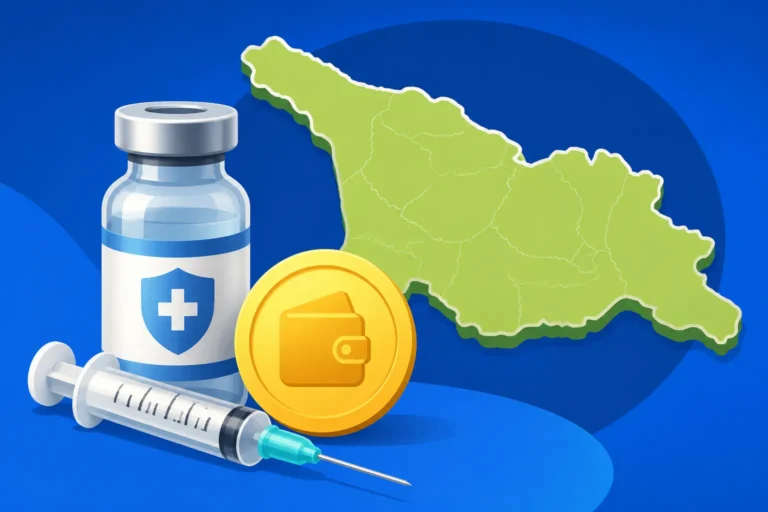
The price difference between brand-name medications and their generic counterparts in Georgia can be substantial. We're talking significant savings, which can really add up, especially if you're on long-term medication. For many common conditions, you might find a generic version for a fraction of the price of a familiar international brand, if that brand is even available.
Let's look at an example. A course of antibiotics (say, amoxicillin) might cost 30-50 GEL for a brand name, but a generic version could be as low as 5-15 GEL. This isn't an isolated case; similar savings can be found across a vast range of medications, from painkillers and allergy relief to blood pressure medication and antidepressants. This is a huge boon for managing your The Cost of Healthcare in Georgia: A Complete Breakdown for Foreigners (2026). The more you rely on generics, the lighter your wallet will feel.
Here’s a quick comparison of potential cost savings:
| Medication Type (Example) | Brand-Name Cost (approx. GEL) | Generic Cost (approx. GEL) | Potential Savings |
|---|---|---|---|
| Pain Reliever (Ibuprofen) | 10 – 20 | 3 – 8 | 7 – 12 |
| Allergy Relief (Cetirizine) | 15 – 25 | 5 – 12 | 10 – 13 |
| Antibiotic (Amoxicillin) | 30 – 50 | 8 – 18 | 22 – 32 |
| Antacid (Omeprazole) | 20 – 40 | 7 – 15 | 13 – 25 |
| Cold & Flu (Multi-symptom) | 20 – 35 | 8 – 15 | 12 – 20 |
Note: These are approximate costs and can vary by pharmacy, specific brand, and dosage.
Navigating Prescriptions and Purchases
The process of actually getting your hands on medication can sometimes be a bit of a dance, particularly for newcomers. While many things are available over the counter, knowing when you need a prescription is key.
The Prescription Predicament
This is where it gets a little nuanced. In many Western countries, a vast array of medications, including many antibiotics, require a doctor's prescription. In Georgia, historically, many of these same medications have been readily available over the counter, or with a very informal 'prescription' from a pharmacist. However, regulations are tightening, and more medications are moving towards requiring a formal prescription from a doctor. Antibiotics, for example, are increasingly difficult to obtain without one.
My advice? Always assume you might need a prescription for anything beyond basic painkillers, cough syrup, or cold remedies. If you're on long-term medication, it’s always best to get a local doctor to write you a Georgian prescription. Don't rely solely on prescriptions from your home country, as pharmacists might not accept them. Getting a local prescription is a straightforward process once you How to Find and Register with a Clinic or Doctor in Georgia.
Communicating Your Needs at the Pharmacy
Language can be a barrier, but it’s rarely insurmountable. In major cities like Tbilisi, many pharmacists, especially in the larger chains, will speak some English. Even if they don’t, they are generally very patient and used to dealing with foreigners. Here are some tips for effective communication:
- Know the Active Ingredient: As mentioned, this is your golden ticket. Write it down clearly.
- Use Google Translate: Have the Georgian name of the active ingredient ready, or be prepared to type in your request.
- Show an Empty Box/Packaging: If you have an old box of your medication from home, bring it! It helps immensely with identification.
- Show a Photo: A photo of your medication on your phone can also be very useful.
- Be Patient: A little patience and a friendly smile go a long way.
For those just arriving or still getting their bearings, knowing How Expats Access Healthcare in Georgia: The Complete Guide (2027) is a fundamental step to ensuring smooth access to both doctors and pharmacies.
Challenges and Considerations for Expats
While the availability of generics is fantastic, there are still a few quirks and potential hurdles that expats should be aware of.
Name Differences and Brand Recognition
The biggest challenge for many expats is the sheer unfamiliarity of local brand names. What you know as "Tylenol" or "Panadol" might be called "Paracetamol" or another brand entirely here. This can be disorienting. You might even find the same active ingredient sold under multiple different brand names within the same pharmacy. This is why focusing on the active ingredient (e.g., ibuprofen, omeprazole, sertraline) rather than the brand name is absolutely critical.
Don't expect to walk in and see the exact same packaging or brand names you're used to from back home. It's a whole new world of pharmaceutical branding, but the underlying chemicals are the same. This often comes up when expats ask Are Prescription Medications Expensive in Georgia? – the answer is often "not if you're open to generics!"
Quality Concerns (and Reassurance)
I've heard the whispers and the online forum debates: "Are Georgian generics really as good?" It's a common, understandable concern when you're used to different standards. My personal experience, and that of many expats I know, is that Georgian generics are perfectly effective. As noted, they are regulated and are required to meet bioequivalence standards.
Think of it this way: pharmaceutical companies worldwide produce generics. The active ingredient itself is a global standard. The difference lies in the excipients (inactive ingredients), the manufacturing facility, and the brand. While there might be rare instances of slight variations in efficacy for a very sensitive individual, for the vast majority of people, Georgian generics will work just fine. This is also why having a good understanding of The Complete Guide to Healthcare in Georgia for Expats (2027) helps contextualize the overall standards of care here.
Practical Tips for Expats Seeking Generics
To make your pharmacy visits as smooth and stress-free as possible, here are some actionable tips I've picked up over the years.
Always Carry Your Prescription (If You Have One)
Even for medications you think might be available over the counter, if a doctor has prescribed it, always carry the physical prescription. As regulations evolve, more medications are being moved to prescription-only status. Having it on hand avoids any potential refusal or delay. Plus, if you need to explain your situation to a new doctor or pharmacist, having the official document is invaluable. This is especially true if you are managing a more serious condition and need to understand How Specialist and Hospital Referrals Work in Georgia for ongoing care.
Know the Active Ingredient
I can't stress this enough. If you take a specific medication regularly, find out its active ingredient. Write it down, memorize it, put it in your phone's notes. This information is universal, whereas brand names are not. This will be your most powerful tool in communicating with pharmacists and ensuring you get the correct generic equivalent. If you're unsure, a quick online search for your brand-name medication should tell you the active ingredient.
Consider International Health Insurance
While generics make medications significantly more affordable, comprehensive health coverage is still a smart move for expats. Some private health insurance plans, especially international ones, can cover a portion of your prescription medication costs, particularly for ongoing treatments. Companies like SafetyWing offer flexible plans designed for digital nomads and expats, which can be a real lifeline when you’re navigating healthcare abroad. Even with low generic costs, unexpected medical emergencies or specialized treatments can quickly become expensive, so having a good insurance plan like those offered by SafetyWing is always wise. It covers you not just for the daily ailments but also for bigger, unforeseen issues. If you're interested in covering your bases, understanding Health Insurance in Georgia: Private and International Options Explained can really help.
It’s about peace of mind. Knowing that if something major happens – an accident, a serious illness – you won't be solely responsible for astronomical bills, including any pricier specialist medications, makes all the difference. Many expats choose SafetyWing because it's tailored for the transient lifestyle, offering robust coverage that's often much more flexible than traditional plans. This protection extends to doctors' visits, hospital stays, and yes, even prescriptions, which ties back to mitigating overall Understanding Out-of-Pocket Healthcare Costs in Georgia.
Keep a Basic Medical Kit
Especially when you first arrive, having a small kit with your essential medications and some common remedies can save you a frantic pharmacy run while you’re still getting oriented. Pack your preferred painkillers, any allergy meds you need, and maybe some stomach relief. This buys you time to figure out the local equivalents at your leisure, rather than under duress.
Conclusion: Don't Sweat the Small Stuff (or the Meds!)
So, yes, generic medicines are not just available in Georgian pharmacies, they are a fundamental part of the healthcare system here, making essential medications accessible and affordable. While the brand names might be unfamiliar, the active ingredients are the same, and the regulatory oversight ensures their quality. By knowing your active ingredients, embracing the generic options, and potentially backing yourself up with international health insurance like SafetyWing, you can navigate the Georgian pharmacy landscape with confidence. It’s one less thing to worry about in your exciting expat adventure!
Disclaimer
The information provided in this guide is for general informational purposes only and does not constitute medical or legal advice. While we strive to provide accurate and up-to-date information based on personal experience and public data, regulations and practices in Georgia can change. Always consult with a qualified healthcare professional for medical advice and a legal expert for legal matters.