What Is Universal Healthcare and Does It Cover Expats in Georgia?
One of the most common questions and sources of confusion for foreigners moving to Georgia revolves around healthcare. Many expats hear the term "universal healthcare" and naturally assume it means they'll be covered, much like in their home countries. Unfortunately, the reality on the ground is far more nuanced, often leading to stressful situations when medical needs arise. This comprehensive guide will peel back the layers of Georgia's healthcare system, specifically addressing what Universal Healthcare really means here and whether expats are included, helping you navigate your medical options with confidence.
Demystifying Georgia's Universal Healthcare Program UHC
When you first land in Georgia, you’ll hear a lot about the country’s Universal Healthcare Program, or UHC. It sounds wonderful, doesn't it? The very word "universal" implies coverage for everyone, a safety net for all who reside here. But as many of us long-term expats have learned through experience, the definition of "universal" can vary quite a bit from what we're used to back home. In Georgia, while the program is a massive step forward for its citizens, its reach doesn't automatically extend to every single person living within its borders, particularly newcomers.
What UHC Actually Covers for Citizens
For Georgian citizens, the Universal Healthcare Program is indeed a cornerstone of their social welfare. It's designed to ensure that fundamental healthcare services are accessible, providing a degree of financial protection against medical costs. The scope of UHC is quite broad for its intended beneficiaries, encompassing things like primary care visits, certain specialist consultations, essential diagnostic tests, and even some hospital services. Think of it as a comprehensive package aimed at providing crucial medical support to the Georgian population.
Under the UHC umbrella, citizens can usually access their local polyclinic for routine check-ups, get referrals to specialists for more complex issues, and have a significant portion of their emergency and planned hospital treatments covered. It’s a robust system that has genuinely improved healthcare access for millions of Georgians. This governmental initiative is managed through a state insurance program that eligible individuals are automatically enrolled in, or can easily access through registration with a primary care physician. The aim is to reduce out-of-pocket expenses for vital medical care, making health services more equitable.
The Eligibility Catch for Foreign Residents
Here’s where the "universal" part often causes a stumble for expats. While the system is universal for citizens, foreign residents generally do not automatically qualify for the state-funded UHC program. This is a critical distinction, and it's a frustration many of us have faced, myself included. You arrive, you're living here, you're contributing to the economy in various ways, but when it comes to healthcare, you find yourself outside the main safety net.
Eligibility for the UHC program is typically tied to Georgian citizenship and, in some specific cases, to certain categories of long-term residence permits that are linked to the national social security system. For instance, if you're working for a Georgian company that makes specific social contributions on your behalf, you might be covered under a state program, but this is less common for freelancers, digital nomads, or those on short-term residence permits. Most expats, especially those on the popular 365-day visa-free stay or even early-stage residence permits, simply do not meet the criteria for UHC enrollment. It’s a common misconception, and clarifying this early can save a lot of headaches later. This means you need to look at other options to ensure you're covered, which we’ll dive into shortly.
Why Expats Usually Don't Qualify for UHC
It's easy to assume that if you have a residence permit in Georgia, you automatically gain access to all the benefits a citizen enjoys, including healthcare. Sadly, this isn't usually the case. The Georgian government's Universal Healthcare Program is primarily designed for its own citizens, and the criteria for foreign nationals to access it are quite stringent and often misunderstood. This can leave many expats feeling vulnerable and unprepared when they need medical attention.
Residence Status and UHC Access
Your residence status plays the most significant role in determining your eligibility for UHC in Georgia. For the vast majority of expats, especially those on initial residence permits, UHC simply isn't an option. Let's break down the common scenarios:
- Visa-Free Stayers (365 days): If you're enjoying Georgia's incredibly generous 365-day visa-free policy, you are absolutely not covered by UHC. You are considered a tourist, even if you’re living and working remotely here. During this period, you are solely responsible for your medical costs. This is why having comprehensive travel insurance or international health insurance like SafetyWing is crucial from day one.
- Short-Term Residence Permits (e.g., Work, Entrepreneur, Property-based): Even with a short-term residence permit – be it for work, entrepreneurship (like the 1% tax status for individual entrepreneurs), or based on property ownership – you generally still won't be eligible for UHC. These permits grant you the legal right to reside and often work, but they don't automatically integrate you into the state's social welfare programs in the same way citizenship does. Your employer, if you have one, might provide private health insurance, but this is not mandatory for all employers and definitely not the UHC. You need to verify this specifically with your employer.
- Long-Term/Permanent Residents & Specific Employment: In rare cases, if you secure a very specific type of long-term residence permit, or if your employment contract with a Georgian entity explicitly involves contributions to the state health fund, you might become eligible for UHC. However, these situations are far from universal for the expat community and often require years of residency or specific, high-level employment contracts. It's not the norm. To truly understand your options here, it's worth reading a guide on How Your Residence Status Affects Health Coverage in Georgia.
So, for most of us, relying on UHC is a pipe dream. It's a hard truth, but an important one to grasp early in your expat journey.
The Reality of Emergency Care for Expats and Costs
Another common misconception is that while UHC might not cover routine care, surely it covers emergencies, right? Unfortunately, even in an emergency, if you are not eligible for UHC, you will be treated as a private patient, and you will be fully responsible for the costs. The emergency services (like the 112 ambulance service) will absolutely respond and transport you to a hospital, and the hospital will provide life-saving treatment. Georgia’s medical professionals are dedicated, and you won’t be denied critical care.
However, once the immediate danger has passed, you will be presented with a bill. And trust me, these bills can add up very quickly. An emergency room visit, diagnostic tests, potential surgery, and an overnight stay can easily run into thousands of Lari. Without private health insurance, these costs come directly out of your pocket. I've heard too many stories of expats facing significant financial strain after an unexpected accident or sudden illness. Understanding Emergency Medical Care in Georgia: What Every Expat Needs to Know is absolutely vital before anything happens.
This is not to scare you, but to provide a realistic picture. The Georgian healthcare system operates efficiently, but the financial responsibility for expats without UHC is unequivocally on the individual. This stark reality underscores why securing private health insurance is not just a recommendation, but a necessity for any expat living in or even just visiting Georgia.
Essential Healthcare Options for Expats in Georgia
Given that Georgia's Universal Healthcare Program typically doesn't extend its coverage to most expats, it's absolutely crucial to explore and secure alternative healthcare solutions. Trying to navigate a foreign medical system while also worrying about unexpected bills is a nightmare scenario no one wants. Thankfully, there are robust private options available that can provide peace of mind and access to quality care.
Private Health Insurance: Your Best Bet
For the vast majority of expats, private health insurance is not merely a good idea; it's practically a non-negotiable part of living securely in Georgia. This is your primary safety net, covering everything from routine doctor visits to specialist consultations, diagnostic tests, and hospital stays, depending on your chosen plan.
There are two main avenues for private health insurance:
- Local Georgian Private Health Insurance: Companies like Aldagi and GPI Holding are prominent local providers. They offer various plans tailored to different needs and budgets, often with direct billing agreements with many clinics and hospitals in Tbilisi and other major cities. The benefits of local insurance include competitive pricing, policies specifically designed for the Georgian medical context, and generally easier communication in Georgian, though many now have English-speaking staff or dedicated expat services. They understand the local system intimately. You'll want to dive deeper into How to Buy Private Health Insurance After Moving to Georgia to compare options thoroughly.
- International Health Insurance: Providers such as SafetyWing, Cigna Global, and Allianz Care offer plans that cover you not just in Georgia, but potentially worldwide. These are particularly popular with digital nomads and those who travel frequently. SafetyWing, for instance, is highly regarded for its flexibility, especially for those on shorter stays or who are unsure of their long-term plans, offering coverage that can be started and stopped on a monthly basis. The advantage here is consistency of coverage if you move between countries, and often more extensive English-language support. However, international plans can sometimes be pricier than local ones, and you might need to pay upfront for services and then claim reimbursement, rather than relying on direct billing.
When choosing a plan, consider factors like coverage limits, deductibles, co-pays, direct billing options, and whether pre-existing conditions are covered. Always read the fine print! Don't just pick the cheapest option; ensure it provides adequate protection for your specific health needs and lifestyle. The peace of mind that comes with knowing you're covered financially is invaluable.
Navigating Out-of-Pocket Costs and Direct Payments
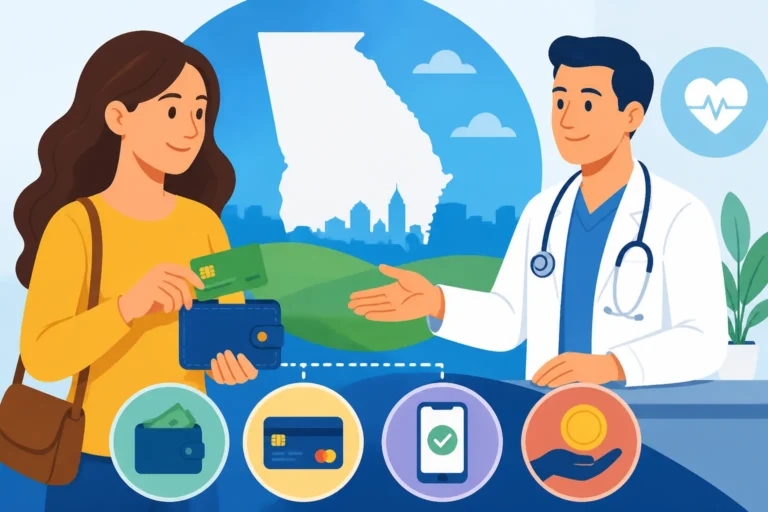
Even with private health insurance, you might still encounter situations where you pay out-of-pocket, either for small expenses not covered by your plan, or if your insurance requires reimbursement rather than direct billing. For those without any insurance, this is the default for every single medical interaction.
- Consultation Fees: A visit to a private clinic or an English-speaking doctor in Tbilisi can range from 50 to 150 GEL, sometimes more for specialists. These are often paid directly at the reception after your appointment. Many clinics accept card payments, but it’s always wise to have some cash on hand, just in case. Understanding How Much Does a Doctor Visit Cost in Georgia? will help you budget.
- Diagnostic Tests: Blood tests, X-rays, and other diagnostic services are generally affordable by Western standards, but again, these costs accumulate. For example, a basic blood panel might be 50-100 GEL, while an MRI could be 300-600 GEL or more.
- Medications: Pharmacies are plentiful and often well-stocked. Prescription medications are generally cheaper than in many Western countries, and some common medications might even be available over the counter without a prescription. However, if you need ongoing medication, factor these recurring costs into your budget.
- Emergency Situations: As mentioned earlier, even for emergencies, if you're uninsured, you'll face the full cost of ambulance services, ER visits, and any subsequent treatments or hospital stays. These can be substantial and can quickly deplete emergency savings. This makes the question of What Happens If I Get Sick Without Insurance in Georgia? a truly concerning one.
It's clear that while the overall The Cost of Healthcare in Georgia: A Complete Breakdown for Foreigners (2026) might seem lower than in some other countries, being uninsured means bearing 100% of these costs yourself. Always get a clear estimate of costs upfront if possible, especially for planned procedures or tests.
The Role of International Health Insurance
For many digital nomads, remote workers, and globetrotting expats, international health insurance is a fantastic solution, offering portability and comprehensive coverage regardless of where you are in the world. Companies like SafetyWing are particularly well-suited for this demographic, providing robust medical and travel insurance designed for the nomadic lifestyle. This means that if you're in Georgia for a few months and then decide to move to another country, your policy can often move with you, ensuring continuous coverage without the hassle of constantly applying for new local plans.
International plans often come with additional perks such as emergency medical evacuation, travel delay coverage, and coverage for lost luggage, blending health and travel insurance seamlessly. While the upfront costs might sometimes be higher than a bare-bones local Georgian plan, the peace of mind and global reach are often worth the investment, especially if you foresee living in multiple countries or simply want the best possible coverage no matter where your adventures take you. The key is to compare the benefits against your specific travel and health needs, as some local plans may offer more direct integration with Georgian hospitals if you plan to stay long-term.
Practical Steps for Expats to Secure Healthcare
Alright, so we've established that relying on Georgia's Universal Healthcare Program is likely not an option for most expats. The good news is that securing quality healthcare in Georgia, though it requires proactive steps, is entirely manageable. The private healthcare sector here is surprisingly robust, modern, and often very affordable compared to many Western countries, but you need to know how to navigate it.
Finding English-Speaking Doctors and Clinics
One of the biggest anxieties for expats seeking medical care abroad is the language barrier. Thankfully, in Georgia, especially in major cities like Tbilisi and Batumi, finding English-speaking medical professionals and clinics is becoming increasingly easy. The country has a growing expat community, and the healthcare sector is adapting to meet that demand.
- Ask for Recommendations: This is always my first piece of advice. Join expat groups on social media (Facebook is particularly active for expats in Tbilisi and Batumi) and ask for recommendations. Expats are usually more than happy to share their experiences and direct you to trusted doctors or clinics. You'll often find recommendations for specific dentists, paediatricians, or general practitioners who are known for their excellent English and compassionate care.
- International Clinics: Several clinics in Tbilisi specifically cater to the international community. For example, some clinics offer English-speaking staff and doctors, often providing a more familiar experience for those from abroad. These clinics might have slightly higher fees than purely local ones, but the ease of communication and understanding often makes it worthwhile.
- Online Searches and Directories: A quick online search for "English speaking doctors Tbilisi" or "expat clinics Georgia" will yield results. You can also check out online directories or review sites where patients leave feedback.
- Insurance Provider Networks: If you've secured private health insurance (local or international like SafetyWing), check their network of preferred providers. They often have lists of clinics and doctors who speak English and have direct billing agreements, which simplifies the process considerably.
When you call to make an appointment, always ask if the doctor you’ll be seeing speaks English. Don't be shy! This upfront clarity will save you a lot of potential frustration and ensure you can fully communicate your symptoms and concerns. You can also explore options like How to Find an English-Speaking Doctor in Georgia for more specific advice.
Budgeting for Healthcare Expenses
Understanding that healthcare will be a personal expense for most expats means integrating it into your overall budget. Even if you have private insurance, you might have co-pays, deductibles, or unexpected costs that aren't fully covered.
Here’s a rough idea of what to factor in:
| Healthcare Item | Typical Cost (GEL) | Notes for Expats |
|---|---|---|
| General Doctor Visit | 50 – 150 | Higher for English-speaking or international clinics. |
| Specialist Consultation | 80 – 250+ | Varies greatly by specialty and reputation. |
| Basic Blood Tests | 40 – 100 | Labs like Synevo or Megalab are popular and efficient. |
| X-Ray / Ultrasound | 80 – 200 | Generally affordable. |
| MRI / CT Scan | 300 – 600+ | Can be a significant out-of-pocket cost if uninsured. |
| Dental Cleaning | 70 – 150 | Dental care is generally very affordable in Georgia. |
| Private Health Insurance (monthly) | 50 – 250+ | Varies by age, coverage level, and provider (local vs. international). |
| Emergency Room Visit | 200 – 1000+ | Without insurance, this can quickly escalate into thousands for treatment. |
| Prescription Medications | Varies widely | Often cheaper than in Western countries, but still a budget item. |
Note: These are approximate costs and can vary based on location, clinic, doctor's experience, and specific medical needs.
Beyond the obvious medical costs, consider these budgeting tips:
- Emergency Fund: Always have an emergency fund specifically for unexpected medical expenses. Even with insurance, you might face upfront payments or costs not fully reimbursed.
- Preventative Care: Don't skip preventative care because you're worried about costs. Regular check-ups can catch issues early, potentially saving you more expensive treatments down the line. Many clinics offer annual health checks.
- Compare Insurance Quotes: Don't settle for the first insurance quote you get. Shop around, compare different local and international providers, and look at various plan levels to find what best suits your budget and coverage needs. A thorough review of Health Insurance in Georgia: Private and International Options Explained is a must.
- Keep Records: Maintain detailed records of all your medical appointments, treatments, and payments. This is crucial for insurance claims and for keeping track of your health history.
While the absence of expat coverage under UHC might initially feel daunting, Georgia offers a viable and often high-quality private healthcare sector. With a bit of research and proactive planning, you can ensure your health needs are well-met, allowing you to fully enjoy your life in this incredible country.
Disclaimer
The information provided in this guide is intended for general informational purposes only and does not constitute medical, legal, or financial advice. Healthcare policies, eligibility criteria, and costs in Georgia are subject to change. While we strive to provide accurate and up-to-date information, readers should consult with official sources, licensed healthcare providers, insurance professionals, or legal experts for advice tailored to their individual circumstances. We recommend verifying all information with relevant Georgian authorities and service providers before making any decisions related to your healthcare or residency in Georgia.