Understanding the Pharmacy System and Buying Medicines in Georgia
Alright, my fellow expats and soon-to-be Georgians, let’s talk pharmacies. When you first arrive in Georgia, amidst the excitement of khachapuri and stunning mountain views, one of the most common anxieties that crops up is, "What if I get sick? How do I get my meds?" Believe me, I've been there, staring blankly at shelves filled with unfamiliar packaging, trying to remember the Georgian word for "ibuprofen" (it's actually pretty similar, ibuprofeni, thankfully!). This guide is going to walk you through the ins and outs of understanding the pharmacy system and buying medicines in Georgia, so you can navigate it all with confidence, not confusion.
The Lay of the Land: Understanding Georgia's Pharmacy Landscape
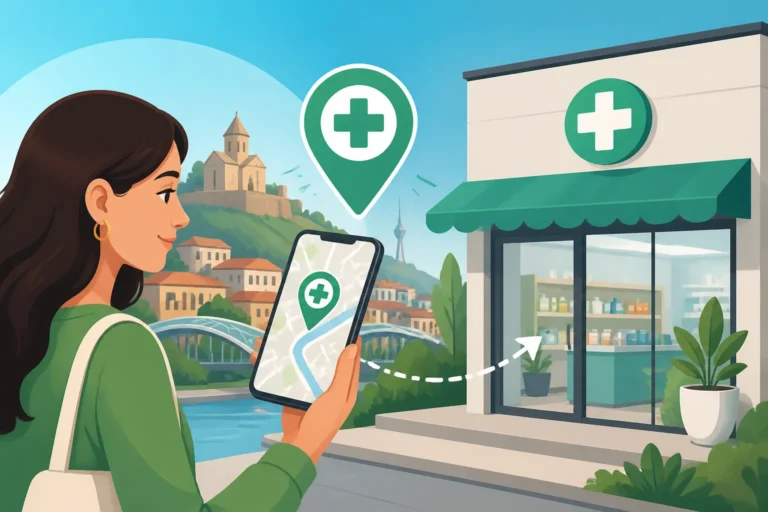
One of the first things you'll notice about Georgia, especially in the bigger cities like Tbilisi or Batumi, is that pharmacies are everywhere. Seriously, you can often spot two or three on a single block. This isn't necessarily a bad thing, as it means access to medication is generally quite good. However, it can also be a bit overwhelming trying to figure out which one is best, or even just where to begin.
A Pharmacy on Every Corner Almost! Accessibility and Hours
Unlike some countries where pharmacies are sparse, Georgia takes pharmaceutical accessibility seriously. You’ll find major chains dominating the landscape, much like how big supermarket chains work in other places. These larger networks offer a sense of familiarity and often have better stock levels and slightly more consistent pricing. Look out for names like PSP (PSP Pharma), GPC (Georgian Pharmaceutical Company), Aversi, and Pharmadepot. These are the big players, and they’ve got branches scattered all over, from bustling city centers to smaller residential areas.
Their accessibility is truly a lifesaver. Most city pharmacies operate with extended hours, typically from 9 AM to 9 PM, or even later. And yes, you'll also find plenty of 24/7 pharmacies in virtually every neighbourhood, clearly marked with a "24 საათი" (24 saati) sign, often in neon green. This means that whether you wake up with a sudden fever at 3 AM or realize you forgot to refill a crucial prescription late on a Sunday, you’re usually just a short walk or taxi ride away from a solution. This convenience is one of those small but significant benefits of living here, providing a real sense of security for us foreigners who are often used to more restrictive opening times.
The Role of the Pharmacist: More Than Just a Dispenser
In Georgia, the pharmacist often plays a more hands-on role than you might be accustomed to in Western countries. They aren't just there to hand over pre-packaged items; they are a primary point of contact for minor health concerns, offering advice and even suggesting suitable over-the-counter (OTC) medications or remedies. It's not uncommon to walk in, describe your symptoms (with a bit of charades if your Georgian isn't up to scratch!), and leave with a recommended treatment without ever seeing a doctor.
This can be both a blessing and a curse. On one hand, it’s incredibly convenient for minor issues like a cold, a headache, or a stomach upset, saving you a trip to the doctor for something simple. On the other hand, it means you need to be a bit more vigilant and perhaps rely on your own judgment or prior medical knowledge. While Georgian pharmacists are generally well-trained and knowledgeable, they are not doctors. So, for anything beyond the truly trivial, a proper medical consultation is always the safer bet. They can often provide basic first aid advice, check blood pressure, or even give injections for certain medications if you have a prescription. This expanded role can be really helpful, especially when you're still figuring out how to How Expats Access Healthcare in Georgia: The Complete Guide (2027).
Deciphering Prescriptions: What You Need to Know
This is often where the real head-scratching begins for expats. The rules around prescriptions can feel a bit like the Wild West, especially if you’re coming from a country with very strict pharmaceutical regulations. It's a key area where preparation and understanding the local nuances can save you a lot of stress.
Local vs. Foreign Prescriptions: The Big Question
"Can I just use my prescription from back home?" Ah, the million-dollar question! The short answer is: sometimes, but don’t count on it. Officially, Georgian pharmacies require a local prescription for most prescription-only medications. However, in practice, things can be a bit more fluid, especially for certain categories of drugs. For instance, many medications that are prescription-only in, say, the UK or the US, might be available over-the-counter here. Conversely, some drugs that are freely available elsewhere may require a prescription in Georgia.
If you arrive with a foreign prescription, it's worth trying your luck at a larger pharmacy, especially one that might cater more to international clientele, but be prepared for a polite refusal. It's often easier and more reliable to simply obtain a local prescription if you know you'll need regular medication. This usually involves seeing a local doctor, which leads us to the next point. It’s definitely a different experience from what you might be used to, and it's something to factor in if you're thinking about Understanding the Pharmacy System and Buying Medicines in Georgia for long-term conditions.
Getting a Prescription in Georgia: The Doctor's Visit
So, you need a local prescription. The good news is, getting one usually isn’t too difficult. Your first step will be to How to Find an English-Speaking Doctor in Georgia or visit a clinic. In Tbilisi, clinics like Evex or Medea are popular choices among expats due to their English-speaking staff and more international-friendly services. You'll typically schedule an appointment, much like you would back home. The doctor will assess your condition, and if they deem medication necessary, they will issue a prescription.
Georgian prescriptions are generally clear, often printed, and contain the patient's name, the doctor's details, the medication name (usually generic, sometimes brand), dosage, and instructions. It's always a good idea to double-check that the doctor has written the generic name as well as any brand name, especially if you have a preferred medication from your home country. This gives the pharmacist more flexibility in finding a suitable match. Also, remember to ask the doctor to write down the instructions clearly, including how many times a day and for how long you should take the medication. Don't be shy about asking questions – it's your health, after all! If you're wondering about the cost, a regular doctor's visit is generally quite affordable. For specifics, you might want to read up on How Much Does a Doctor Visit Cost in Georgia?.
Common Medications: Availability and Cost
This is another area where Georgia differs quite a bit from many Western countries. The lines between what requires a prescription and what doesn't are often a little blurry, and pricing can be very different from what you're accustomed to.
Over-the-Counter vs. Prescription-Only: A Blurred Line
As I mentioned earlier, many medications that are strictly prescription-only in some countries can be bought over the counter in Georgia. A prime example? Antibiotics. Yes, you read that right. In many Georgian pharmacies, you can walk in and purchase a course of antibiotics without a doctor's prescription. While this might seem incredibly convenient when you’re battling a nasty infection, it also comes with significant risks regarding antibiotic resistance and improper use. So, while it's tempting, it's generally advisable to still consult a doctor before self-prescribing antibiotics. You can find more specific information about this topic in a separate article: Can I Buy Antibiotics Over the Counter in Georgia?.
Conversely, some medications that you might expect to find easily over-the-counter might require a prescription here. It really varies, which is why having a clear understanding of your medication and being prepared to ask questions (or show a doctor's note) is crucial. Common painkillers like ibuprofen and paracetamol are, of course, readily available, as are basic cold and flu remedies. For anything more specific, it’s best to ask the pharmacist.
Brand Names, Generics, and Local Alternatives
When you're at the pharmacy counter, you'll likely encounter a mix of international brand names, locally produced generic versions, and sometimes even local Georgian brands that you’ve never heard of. For many common conditions, you’ll usually have a choice. Often, the generic versions are significantly cheaper than the international brand names, offering a budget-friendly option without compromising on efficacy. The active ingredients will be the same, but the excipients (inactive ingredients) might differ.
It's a good practice to know the generic name of your medication, not just the brand name. For example, if you're looking for paracetamol, knowing "paracetamol" is better than just asking for "Tylenol" (though they might understand common international brands). The pharmacists are usually quite good at helping you find the equivalent if you know the active ingredient. Don't hesitate to ask for the cheapest available option, or if there's a local generic that works just as well. This approach can save you a pretty penny, and it’s something to keep in mind when you consider The Cost of Healthcare in Georgia: A Complete Breakdown for Foreigners (2026).
Pricing and Payment: Expecting the Unexpected
One of the pleasant surprises about buying medicines in Georgia is often the cost. Generally speaking, medication prices are quite affordable, especially compared to North America or Western Europe. There isn't a strict government-mandated pricing system that you might find in some countries, so prices can vary slightly between pharmacy chains. However, the competition is fierce, which usually keeps prices reasonable.
You'll find that many pharmacies run loyalty programs or offer discounts for regular customers, so it might be worth picking one primary pharmacy if you have ongoing medication needs. Payment is straightforward: all major pharmacies accept cash (Georgian Lari, GEL) and credit/debit cards (Visa, Mastercard are ubiquitous). Apple Pay and Google Pay are also widely accepted at most modern POS terminals. You’ll rarely encounter a situation where cash is the only option, but it's always smart to have some small bills on hand, just in case.
Here's a quick comparison of some major pharmacy chains in Georgia:
| Pharmacy Chain | Key Features | General Availability | 24/7 Branches | Loyalty Program |
|---|---|---|---|---|
| PSP | Often considered a bit more upscale, wider selection of international brands, modern stores. Good for finding specific imported items. | High (Tbilisi, Batumi, Kutaisi) | Many | Yes |
| GPC | Strong presence, reliable stock, often competitive pricing, good for common medications and generics. | High (Tbilisi, Batumi, Kutaisi) | Many | Yes |
| Aversi | Very widespread, known for consistent availability and good service. Often has in-store clinics or diagnostic services attached. | Very High (Nationwide) | Many | Yes |
| Pharmadepot | Focus on affordability, often has promotions and discounts, good for budget-conscious buyers and generic options. | Moderate (Main cities) | Some | Yes |
Navigating the Purchase Process: Step-by-Step
So, you’ve got your prescription (or you know what you need over-the-counter), and you're ready to hit the pharmacy. What's the actual process like? It's generally pretty simple, but a few tips can make it even smoother.
What to Bring: Documents and Language Tips
First things first, gather your essentials. If you have a prescription, bring it, of course. For prescription medications, you might occasionally be asked for your ID (passport or Georgian ID card), especially if the medication is regulated, or if the pharmacist needs to verify your name. It’s not universal, but better safe than sorry. Keep your phone handy with a translation app, like Google Translate, or better yet, a dedicated medical translation app if you have one. This will be invaluable for communicating specific symptoms or medication names if you're not fluent in Georgian.
Many of the larger pharmacy chains in expat-heavy areas like central Tbilisi will have English-speaking staff, but it's by no means guaranteed, especially in smaller, local branches or late at night. A universal phrase to learn is "ერთი წუთით" (erti tsutit), meaning "one moment" or "excuse me," to get their attention, and "გმადლობთ" (gmadlobt), which is "thank you." A little effort in Georgian goes a long way!
Asking for What You Need: Communication Strategies
When you approach the counter, be clear and concise. If you have a prescription, simply hand it over. The pharmacist will read it and either retrieve the medication or ask clarifying questions. If you're buying an over-the-counter item, state the name of the medication or describe your symptoms. This is where your translation app might come in handy. For example, you could type "I have a headache" or "medicine for a cough."
Sometimes, they might offer you a few different options – a brand name, a generic, or a local alternative. Don’t be afraid to ask about the price difference. A simple "რამდენი ღირს?" (ramdeni ghirsi?) means "how much does it cost?" Pointing to the options can also work wonders. Remember, they are there to help, and most pharmacists are quite patient, even with language barriers. It helps if you have the empty packaging of your usual medication if you’re trying to find an equivalent.
The Experience: From Counter to Bag
The actual purchase experience is quite similar to pharmacies anywhere else. Once the pharmacist has identified your medication, they'll usually pull it from behind the counter (many Georgian pharmacies have closed shelving, so you don't browse the aisles like a supermarket). They'll tell you the price, you'll pay (cash or card), and they'll hand over your medication, often in a small paper bag.
Occasionally, for prescription items, the pharmacist might quickly go over the dosage instructions, especially if there's a specific way to take it. Don't expect a lengthy consultation unless you ask for it. It's on you to ensure you understand how to take the medicine. If you're unsure, now is the time to clarify. You can always ask for the instructions to be written down, or use your translation app to snap a photo of the Georgian instructions on the packaging. Remember that sometimes the packaging inserts are only in Georgian or Russian, so clarify this point.
Insurance & Emergencies: Beyond the Counter
While the day-to-day purchase of medicine is usually smooth, it's wise to consider how your health insurance might factor in, and what to do in a genuine medication emergency.
Private Health Insurance and Medication Coverage
If you've taken the sensible step of getting private health insurance as an expat in Georgia, which I strongly recommend (you can read more about it in How to Choose Between Local and International Health Insurance in Georgia), it's crucial to understand how it covers medication. Most comprehensive private health insurance plans will cover prescription medications, but the exact terms vary. Some plans might require you to pay upfront and then submit a claim for reimbursement, while others might have direct billing agreements with certain pharmacies (though this is less common for medications than for clinic visits).
Always keep your receipts! These are vital for any insurance claim. Take a photo of your prescription and the receipt immediately after purchase. Check your policy documents or contact your insurer (e.g., SafetyWing, a popular choice for digital nomads and expats, offers good medical coverage) to understand their specific procedures for medication reimbursement. Sometimes, for very expensive or long-term medications, prior authorization from your insurer might be required, so it's always best to check first if you can. Understanding your policy is key, and an article like Understanding Private Health Insurance Plans in Georgia can provide more detail. When it comes to claiming reimbursement, a separate guide on How to Claim Reimbursement from Private Insurance in Georgia will walk you through the process.
What to Do in a Pharmacy Emergency
A pharmacy emergency could mean several things: you've run out of critical medication, you've had an adverse reaction to something you've taken, or you need immediate medication for an acute condition. If you run out of essential prescription medication (e.g., for heart conditions, diabetes, or epilepsy) and can't get a new prescription immediately, your best bet is to head to a 24/7 pharmacy. Explain your situation, perhaps show your empty medication packaging and any old prescriptions you have. While they might still require a new local prescription, some pharmacists might exercise discretion in urgent cases, especially if it’s a non-controlled substance and your need is clear.
For adverse reactions or serious symptoms after taking medication, do not hesitate. Call Georgia’s emergency number, 112, immediately. They can dispatch an ambulance or guide you to the nearest emergency room. If the situation is less severe but still concerning, go to the nearest hospital emergency department or an urgent care clinic. Always remember to bring any medication you've taken, or at least the packaging, so medical staff know exactly what you’ve consumed. You can find out more about urgent situations in Emergency Medical Care in Georgia: What Every Expat Needs to Know. It's always good to be prepared, because sometimes things happen even with the best planning, and knowing What Happens If I Get Sick Without Insurance in Georgia? can alleviate some of that fear.
Tips for Expats: Making Life Easier
Living in Georgia, you learn quickly that a little bit of preparation and knowing a few tricks can smooth out many of the administrative and practical bumps. The pharmacy system is no different.
Building a Relationship with a Local Pharmacist
This is a tip I offer to all new arrivals. If you have ongoing medication needs or just prefer consistency, try to find a pharmacy near your home or work and stick with it. Get to know the pharmacists there. Even a few familiar faces who know you (and your basic medical history, if you're comfortable sharing) can make a world of difference. They might be more willing to go the extra mile, call a doctor on your behalf if there's a question about a prescription, or simply remember your regular orders.
It creates a sense of trust and continuity that's invaluable, especially in a foreign country where language can be a barrier. They might even remember the specific generic brands you prefer or be able to order something for you that's not usually in stock. Think of them as your friendly neighbourhood health advisors – they are often the first line of defense for minor ailments and can provide a lot of practical advice.
Keeping a Medical Record and Medication List
This is universally good advice, but it's especially critical when living abroad. Maintain a clear, up-to-date list of all your medications (both prescription and regular OTCs), including their generic names, dosages, and the conditions they treat. Keep this list, along with any significant medical history (allergies, chronic conditions), in an easily accessible format on your phone (perhaps in a secure notes app) and also a physical copy in your wallet or purse.
If you have a chronic condition, consider having a letter from your doctor back home, translated into Georgian, explaining your condition and required medications. This document can be a lifesaver if you need to consult a new doctor here or if there's ever a question at the pharmacy. It saves time, reduces miscommunication, and ensures you get the right care and medication when you need it most. Having this information readily available also makes it easier if you ever need to present it for things like What Documents Do I Need to See a Doctor in Georgia?.
Avoiding Scams and Sketchy Situations
While Georgia’s pharmacy system is generally trustworthy, it's always wise to remain vigilant. Stick to the major pharmacy chains (PSP, GPC, Aversi, Pharmadepot) as they are regulated and reliable. Avoid buying medication from unofficial sources or small, unbranded shops that look questionable. These could be selling expired, counterfeit, or improperly stored medications, which could be dangerous.
Always check the expiration date on any medication before you leave the counter, and ensure the packaging is sealed and undamaged. If a price seems too good to be true, it probably is. If you're ever in doubt about a medication or a pharmacist's advice, it's okay to get a second opinion from another pharmacy or, more importantly, consult a doctor. Your health is paramount, and it's always better to be safe than sorry when it comes to medicines. Trust your gut; if something feels off, it probably is. Choosing a reputable insurer like SafetyWing can also offer peace of mind, knowing you have a backup for medical consultations and advice if needed, as they often have networks of trusted providers.
Disclaimer
The information provided in this guide is for general informational purposes only and does not constitute medical or legal advice. While we strive to ensure the information is accurate and up-to-date, healthcare systems and regulations can change. Always consult with a qualified healthcare professional or legal expert for advice tailored to your specific situation. Reliance on any information provided in this guide is solely at your own risk.