How Do I Register My Newborn for Healthcare in Georgia?
Welcoming a new baby into the world is an incredible, albeit often exhausting, journey. When you’re an expat doing it in Georgia, the joy of a newborn can quickly mingle with the anxiety of navigating unfamiliar healthcare systems to ensure your little one is registered and cared for. This comprehensive guide will walk you through everything you need to know about registering your newborn for healthcare in Georgia, from immediate steps after birth to ongoing medical care and vaccinations.
Initial Steps After Birth
The moment your baby arrives, your world changes. But amidst the cuddles and sleepless nights, there are crucial administrative steps to take, especially concerning their health and legal status in Georgia. Don't worry, it's a process many expat parents have navigated successfully.
Birth Registration and Document Collection
The very first official step after your baby is born in Georgia is to register their birth. This isn't just about getting a pretty certificate; it's the foundational document that unlocks all other services, including healthcare. Typically, the hospital where your baby is born will provide you with a "Birth Report" or similar document. This isn't the official birth certificate, but it’s what you’ll take to the Public Service Hall (PSH), often referred to as the "House of Justice."
At the PSH, you’ll present this hospital report, along with your passports and marriage certificate (if applicable), to obtain your baby's official Georgian birth certificate. This document will typically be in Georgian, and you may want to get an apostilled and notarized translation if you plan to use it for any official purposes in your home country. This birth certificate is paramount, as it proves your child's existence and, combined with your residency status, will dictate their access to Georgia's healthcare system.
Immediate Medical Check-ups
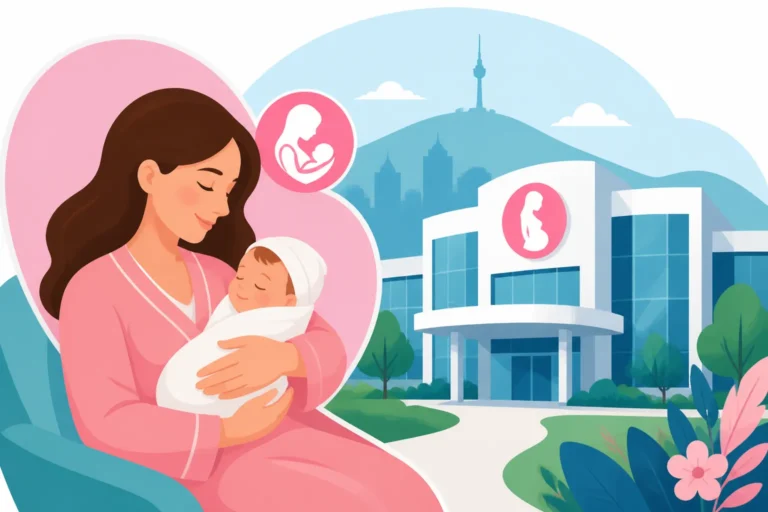
In Georgia, just like in most countries, newborns receive immediate medical attention and assessments right after birth. This usually includes initial health checks, Apgar scores, and basic screenings for common conditions. Most hospitals, whether public or private, are well-equipped to handle these first critical hours and days. Your baby will be monitored closely for the first 24-48 hours, sometimes longer depending on their health or if there were any complications during birth.
Before discharge, the pediatrician at the hospital will conduct a thorough examination and discuss any initial concerns or recommendations with you. They'll also provide discharge papers, which often include a record of the baby's weight, height, any medications given, and crucially, a schedule for follow-up appointments. It’s absolutely vital to keep these documents safe, as they form the medical history for your child’s first days and will be requested by any future pediatrician you register with. This initial period is often covered by the maternity package you may have arranged, or if you utilized the universal healthcare program for the birth, it would fall under that coverage. For a broader overview of how the system works, you might find our guide on How Georgia's Health System Works: Universal Healthcare and Private Care Explained (2027) helpful.
Understanding Healthcare Options for Newborns
Once your little one has their official birth certificate, the next big question for expat parents is: what kind of healthcare system will they be part of? Georgia offers a mixed system, and understanding both the Universal Healthcare Program (UHC) and private options is key for your newborn.
Universal Healthcare Program UHC for Infants
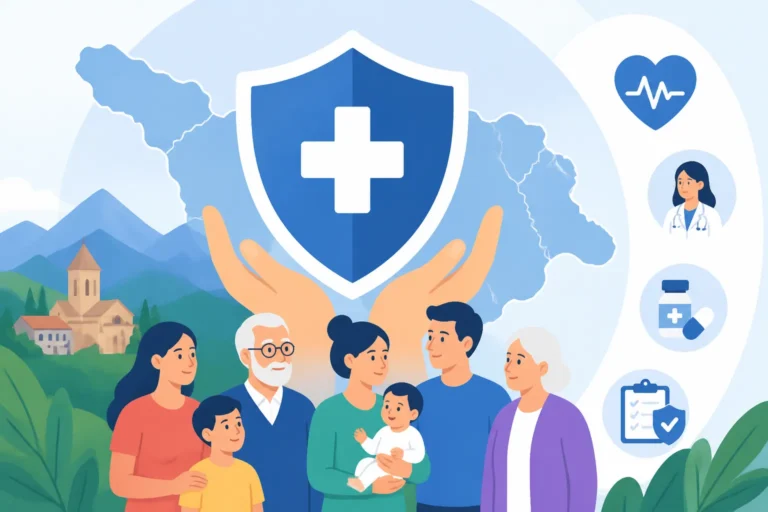
Georgia's Universal Healthcare Program (UHC) is designed to provide essential medical services to its citizens and eligible residents. While its coverage for adults can be complex for expats, newborns born to parents legally residing in Georgia generally have access to certain benefits. This means that once your baby has their Georgian birth certificate and you, as parents, meet the residency criteria, they can be included in the UHC system.
For infants, UHC typically covers a range of primary care services, including routine check-ups with a pediatrician, some essential vaccinations, and potentially emergency care. However, the exact scope can sometimes feel a bit grey, and access might depend on the specific polyclinic or family doctor you're assigned to. The quality and availability of English-speaking staff can vary significantly between public facilities, which is a common point of frustration for many expat parents. It's often a good starting point for basic care, but many expats find themselves wanting more comprehensive or accessible options. To dive deeper into this system, take a look at our article on Understanding the Universal Healthcare Program (UHC) in Georgia.
Private Health Insurance for Your Little One
Given the nuances of the public system, many expat families opt for private health insurance for their newborns in Georgia. This choice often brings greater peace of mind, access to English-speaking doctors, shorter wait times, and a wider selection of modern clinics, especially in cities like Tbilisi and Batumi. Private insurance plans specifically designed for families or with robust maternity and pediatric coverage are available from both local Georgian providers and international insurers.
When choosing a private plan, you'll want to scrutinize what exactly is covered. Look for comprehensive well-baby check-ups, all recommended vaccinations, specialist consultations (e.g., dermatologists, neurologists), and inpatient care for emergencies. Some popular choices for expats include local providers like Aldagi or GPI Holding, who offer competitive packages. For those seeking broader international coverage or travel insurance that can bridge gaps, platforms like SafetyWing are often considered by digital nomads and expats. SafetyWing offers flexible plans that can be particularly useful if you're not yet settled on a long-term local plan or if your work keeps you mobile. This type of insurance ensures that your baby receives care without you having to worry about unexpected out-of-pocket expenses for every doctor's visit or vaccine. Our guide on Health Insurance in Georgia: Private and International Options Explained provides a more detailed breakdown of options.
Here's a quick comparison of the two main healthcare routes for newborns in Georgia:
| Feature | Universal Healthcare Program (UHC) for Newborns | Private Health Insurance for Newborns |
|---|---|---|
| Eligibility | Georgian citizens, legal residents | Expats/foreigners with valid insurance plan |
| Cost | Generally low or free at point of service | Monthly/annual premiums, varying deductibles |
| Access to Doctors | Assigned polyclinic/family doctor, limited choice | Wide choice of pediatricians & clinics, English-speaking options |
| Wait Times | Can be longer for appointments | Generally shorter, more flexible scheduling |
| Coverage Scope | Basic check-ups, essential vaccinations, emergency | Comprehensive check-ups, all vaccinations, specialists, inpatient care |
| Facility Quality | Varies, some public facilities can be older | Modern facilities, advanced equipment in private clinics |
| Admin Burden | Georgian language may be dominant | Often English-speaking staff, easier navigation |
| International Coverage | Limited to Georgia | Can include international emergency cover (e.g., SafetyWing) |
The Registration Process
Now that you have your baby's birth certificate and a general idea of your healthcare preference, it's time to officially get them registered. This is where the rubber meets the road, and sometimes, the bureaucracy can feel a bit like wading through treacle. But it’s manageable, I promise.
Registering for Public Healthcare
If you decide to register your newborn under Georgia's Universal Healthcare Program, the primary step involves visiting your local polyclinic or the healthcare center responsible for your residential address. This can be a bit of a hunt if you're new to the area, so ask local expat groups or your landlord for recommendations. You'll need your baby's Georgian birth certificate, your passports, and proof of your legal residency (your residence permit card) and address in Georgia.
Upon arrival, you'll typically be assigned a pediatrician who will become your baby's primary care provider within the UHC system. This registration process is usually free of charge, but prepare for potential language barriers and longer wait times for appointments. It's worth trying to find a polyclinic known to have English-speaking staff or consider bringing a Georgian-speaking friend along to help with the initial setup. They’ll usually create a medical card or file for your child, and this is where all their public healthcare visits and vaccinations will be recorded. It’s also wise to inquire about the exact vaccination schedule followed under the UHC program to ensure it aligns with your preferences. Many expats find Is Public or Private Healthcare Better for Expats in Georgia? a useful resource when making this decision.
Enrolling with a Private Pediatrician or Clinic
For those opting for private healthcare, the process is generally more streamlined and patient-friendly. Once you've chosen a private insurance plan (perhaps one from Aldagi, GPI Holding, or even an international plan from providers like SafetyWing), the next step is to select a private clinic and a pediatrician. Tbilisi and Batumi, in particular, boast numerous high-quality private clinics with excellent pediatric departments, many employing English-speaking doctors. Popular choices include Evex Medical Corporation clinics, M. Iashvili Children's Central Hospital (which has private wings), or Medea Clinic.
You’ll typically call the clinic to schedule an initial consultation. During this visit, you'll bring your baby's Georgian birth certificate, your passports, and your private insurance details. The clinic will set up a patient file for your child and explain their services, vaccination schedules, and how your insurance plan works with them. This initial consultation is also a great opportunity to gauge your comfort level with the pediatrician and the clinic environment. The beauty of the private system is the flexibility; if you don't feel a connection with one doctor, you can often switch to another within the same clinic or a different one entirely with relative ease. For tips on finding the right doctor, check out How to Find and Register with a Clinic or Doctor in Georgia.
Ongoing Care and Vaccinations
Getting your newborn registered is just the beginning. The journey of parenthood involves a lot of ongoing care, especially in those crucial first years.
Regular Check-ups and Well-Baby Visits
Once registered, your newborn will require regular check-ups, often called well-baby visits, to monitor their growth, development, and overall health. In Georgia, both public and private pediatricians follow established schedules for these visits. In the first year, these appointments are frequent – often monthly or bi-monthly – gradually spacing out as your child gets older.
During these visits, the pediatrician will measure your baby's height, weight, and head circumference, discuss milestones (like smiling, crawling, talking), and address any concerns you might have about feeding, sleep, or behavior. They are also crucial opportunities for developmental screenings to catch any potential issues early. For expat parents, these regular interactions with a trusted pediatrician become invaluable, not just for the baby's health but also for gaining local insights into childcare practices and general support. Having a pediatrician you can communicate with effectively is key here, which is why many expat parents prioritize clinics with English-speaking staff, often facilitated through private insurance. Regular care helps track things, and it’s good to know How Much Does a Doctor Visit Cost in Georgia? so you can plan, especially for those initial out-of-pocket expenses before any insurance reimbursements kick in.
Navigating Childhood Vaccination Schedules
Vaccinations are a cornerstone of preventative healthcare for infants, and Georgia has a national vaccination schedule that is largely consistent with international standards set by the World Health Organization (WHO). Whether you opt for public or private healthcare, your baby will be offered a series of vaccinations against common childhood diseases like measles, mumps, rubella, polio, diphtheria, tetanus, pertussis, and hepatitis B.
Your chosen pediatrician, whether public or private, will guide you through this schedule, explaining which vaccines are due at which age. It's perfectly acceptable, and even encouraged, to discuss any concerns or questions you have about the vaccines. Private clinics often have a more readily available stock of vaccines, sometimes including those not routinely offered under the basic UHC program but which you might prefer for your child based on your home country's recommendations. Ensure you keep a meticulous record of all vaccinations, as this is often required for school enrollment later on or for travel. Some expat families also choose international insurance plans like SafetyWing which may offer some flexibility for vaccine coverage even if you travel outside of Georgia. For a deeper understanding of the local schedule, refer to our article on Understanding Childhood Vaccination Schedules in Georgia.
Navigating the healthcare system for a newborn in a foreign country like Georgia can feel daunting, but with the right information and a clear plan, it becomes a much smoother process. Remember, you're not alone in this journey, and there are many resources and fellow expats ready to offer support.
Disclaimer
The information provided in this guide is for general informational purposes only and does not constitute medical or legal advice. Healthcare regulations and offerings in Georgia can change. Always consult with qualified medical professionals and legal experts for advice tailored to your specific situation and for the most up-to-date information.