How Long Are Hospital Wait Times in Georgia?
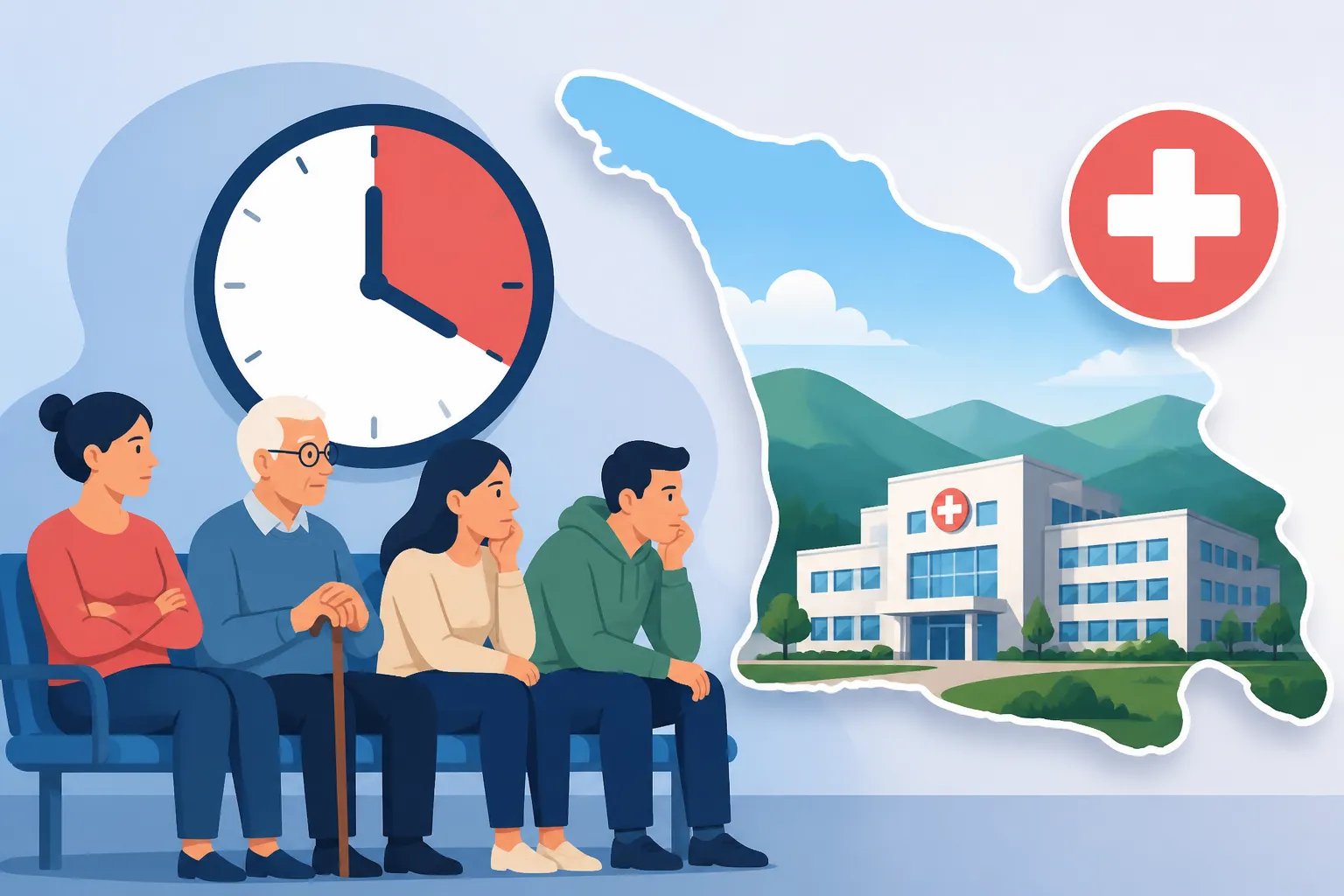
One of the most unsettling anxieties for any expat in Georgia, especially when you're feeling under the weather or facing a medical concern, is the dreaded question of wait times. Back home, you might have a predictable system, but here, the reality can be a bit of a rollercoaster, varying wildly depending on where you go and what you need. This guide is here to shed some light on the reality of hospital wait times in Georgia, offering realistic expectations and practical advice for navigating the system.
Understanding the Landscape of Hospital Wait Times in Georgia
Let's be honest, stepping into a new healthcare system in a foreign country can feel like trying to solve a Rubik's Cube blindfolded. The experiences you've had in your home country, whether it's the NHS, a highly privatized system, or something in between, often won't directly translate here in Georgia. It’s crucial to understand the foundational differences that dictate how long you might be waiting.
Public vs. Private Hospitals: A Stark Contrast
The biggest factor influencing your wait time in Georgia, hands down, is whether you're heading to a public or a private facility. It's like comparing a busy central train station during rush hour to a boutique hotel reception – completely different vibes and service levels.
-
Public Hospitals: These facilities, while serving a crucial role in the country's healthcare infrastructure, often operate with more limited resources, older equipment, and significantly higher patient volumes. This inevitably leads to longer wait times for everything from registration and initial consultation to diagnostic tests and specialist appointments. Imagine showing up to a public hospital in Tbilisi with a non-emergency issue. You might find yourself in a bustling waiting room, surrounded by dozens of other patients, with a single administrator processing paperwork. The doctors are often overworked, and while skilled, they're simply stretched thin. You could easily spend half a day, or even a full day, just to get seen for something that isn't immediately life-threatening. For complex procedures or common issues like a broken bone that isn't compound, you might be looking at several hours in the emergency room waiting for X-rays and a cast, simply because there's a queue of more critical cases. Understanding the Universal Healthcare Program (UHC) in Georgia will give you more context on how these public facilities are funded and managed.
-
Private Hospitals and Clinics: This is where the narrative shifts dramatically. Private healthcare providers in Georgia, particularly in Tbilisi and Batumi, are a different beast entirely. They are often modern, well-equipped, and designed with patient comfort and efficiency in mind. Because patients are typically paying out-of-pocket or through private health insurance, these facilities have a vested interest in providing quicker, more streamlined service. When you arrive at a private clinic, you'll likely find a quieter, more organized reception area. Appointments are generally honored much more promptly. If you have, say, an appointment for an MRI, you're usually in and out within a reasonable timeframe. For a general practitioner visit, you might wait 15-30 minutes, tops, after your scheduled time, which is practically unheard of in some public settings. This is a critical distinction for expats, and it’s why many opt for private options, especially when considering Public vs Private Healthcare in Georgia: What Expats Need to Know.
The Impact of Specialization and Urgency
Just like anywhere else, the nature of your medical need plays a huge role in how long you'll be cooling your heels.
-
Routine Appointments vs. Urgent Care: For something routine, like a check-up or a follow-up consultation with a specialist, private clinics usually require an appointment booked in advance. The wait for the actual appointment could be a few days to a week, or even longer for highly sought-after specialists, but once you're there, the waiting room time is minimal. In public hospitals, even for routine specialist visits, the backlog can be weeks or months, and the wait on the day of your appointment can still be hours. However, for genuinely urgent, non-life-threatening issues, private urgent care centers (which are becoming more common in larger cities) can offer quicker service than a traditional ER, though still often involving a wait.
-
Emergency Situations: In a genuine, life-threatening emergency, Georgian hospitals, both public and private, prioritize based on triage. If you arrive via ambulance (dialing 112 is the way to go), you'll generally be seen faster, especially if your condition is critical. However, if you walk into a public emergency room with something that isn't immediately life-threatening – say, a bad flu or a minor cut – be prepared for a significant wait. These facilities are often overwhelmed with genuine emergencies, and you'll be low on the priority list. Private hospitals with emergency departments will also triage, but their overall patient volume is usually lower, meaning if your case is urgent but not critical, you might still be seen faster than in a public facility. It’s vital to understand Emergency Medical Care in Georgia: What Every Expat Needs to Know before you need it.
Factors Influencing Your Wait: What to Expect
Moving to Georgia, you quickly learn that flexibility and a bit of foresight go a long way, especially when it comes to things like healthcare. Understanding why you might face a wait can help you plan better and reduce frustration.
Appointment Systems and Walk-ins
The way you try to access care dramatically impacts your wait. This isn't just about public versus private anymore; it's about the very culture of appointments.
-
Making an Appointment: In most private clinics, this is the golden rule. You call, you book, you show up at your allocated time, and generally, you're seen close to that time. Some modern clinics even have online booking systems, which is a godsend for those of us who prefer to avoid phone calls in a language we're not fluent in. However, the initial wait to get that appointment can vary. For a regular GP (general practitioner) or a common specialist like a dermatologist, you might get in within a few days. For highly specialized fields, like certain orthopedic surgeons or specific diagnostic scans, it might be a week or two. It's always best to call ahead, even if you speak basic Georgian, as practices vary. If you’re unsure how to begin, learning How to Find and Register with a Clinic or Doctor in Georgia is a great first step.
-
The Reality of Walk-ins: In public hospitals, walk-ins are much more common, but they come with a heavy price: unpredictable and often very long wait times. If you just show up, you'll be processed on a first-come, first-served basis within your triage category, which means you could be sitting for hours while others with appointments or more severe conditions are seen. Even in some private polyclinics, you might be able to walk in for a general consultation, but you'll usually be slotted in around scheduled appointments, which again, means waiting. For a minor illness that needs quick attention but isn't an emergency, trying a private walk-in clinic is usually the fastest route, but even there, expect a queue during busy periods.
Language Barriers and Communication Challenges
It might seem indirect, but language can absolutely contribute to your wait time. Imagine this scenario: you're new in town, feeling terrible, and you're trying to explain your symptoms to a receptionist who only speaks Georgian, or to a doctor whose English is limited.
-
Registration Delays: If you struggle to fill out forms or communicate your basic information at registration, it can slow down the entire process. This isn't just frustrating for you; it can hold up the queue for others too. Many private clinics, especially those catering to expats, have English-speaking staff, but it's not guaranteed everywhere.
-
Miscommunication with Medical Staff: Even once you're in to see a doctor, a language barrier can prolong the consultation. Explaining nuanced symptoms, understanding diagnoses, or asking follow-up questions can take much longer if you're relying on translation apps or broken English. This extended time per patient can contribute to overall delays for everyone. This is precisely why finding How to Find an English-Speaking Doctor in Georgia is so highly valued by the expat community. If you don't have a reliable contact, consider using a friend as an interpreter or even a professional medical translator for complex issues.
Peak Hours and Seasonal Fluctuations
Healthcare facilities, much like other public services, have their ebb and flow. Being aware of these patterns can help you avoid the worst of the crowds.
-
Morning Rush: Unsurprisingly, the early morning hours, particularly from 9 AM to 12 PM, tend to be the busiest. People want to get their appointments done before work, or they’re bringing children in before school. If you have the flexibility, aiming for mid-afternoon appointments can often lead to shorter waiting times.
-
Seasonal Illnesses: Just like anywhere else, winter brings with it flu season, colds, and respiratory infections. Hospitals and clinics, especially pediatric ones, become incredibly busy during these months. If you can, avoid non-urgent visits during peak flu outbreaks. Summer, conversely, might see fewer people in clinics, but could see an increase in trauma-related visits due to outdoor activities.
-
Public Holidays: This one might seem obvious, but it's often overlooked. The days immediately following a public holiday (and Georgia has a fair few!) often see a surge in patients who put off seeking care during the holiday itself. Planning around these dates can save you a lot of waiting around.
Navigating Wait Times: Strategies for Expats
As expats, we're problem-solvers by nature. We figure things out. When it comes to healthcare in Georgia, there are absolutely strategies you can employ to minimize your wait times and ensure you get the care you need more efficiently.
The Power of Private Health Insurance
If there's one piece of advice I can shout from the rooftops, it's this: get private health insurance. It truly is a game-changer for navigating healthcare in Georgia and significantly reducing your wait times.
-
Access to Better Facilities: Private insurance, whether it's a local Georgian policy or an international one like SafetyWing, opens the doors to the modern private clinics and hospitals we talked about earlier. These are the places with shorter queues, newer equipment, and often, English-speaking staff. While the universal healthcare program technically covers everyone, the reality for expats without private insurance means longer waits in public facilities. By having a good policy, you bypass many of those frustrations. When you sign up for an international plan like SafetyWing, you're not just getting coverage for emergencies; you're investing in peace of mind and access to a more efficient system for your routine needs too. This gives you a leg up in managing How to Choose Between Local and International Health Insurance in Georgia.
-
Direct Billing and Streamlined Processes: Many private hospitals and clinics have agreements with insurance providers, allowing for direct billing. This means less paperwork for you, fewer out-of-pocket payments at the point of service, and generally a smoother experience. Imagine walking into a clinic, presenting your insurance card, and not having to worry about immediate payment or complex reimbursement forms – it makes a huge difference. Without it, you might be facing Understanding Out-of-Pocket Healthcare Costs in Georgia directly, and that can add stress and delays.
-
Broader Network of Specialists: Private insurance often grants you access to a wider network of specialists, potentially reducing the wait time to see someone specific. You won't be limited to the public system's availability, giving you more choice and quicker access to expert opinions. For a deeper dive into available plans, check out Understanding Private Health Insurance Plans in Georgia.
Choosing Your Hospital Wisely
Not all hospitals are created equal, and knowing a few key players can make a world of difference.
-
Research and Recommendations: Before you even need a doctor, do a little digging. Ask other expats in online forums or Facebook groups for their recommendations. Which clinics have they had good experiences with? Who has English-speaking staff? Which facilities are known for efficiency? In Tbilisi, hospitals like Mediprime, Evex, or the New Hospitals are often mentioned for their modern facilities and expat-friendly services. For children, M. Iashvili Children's Central Hospital has a good reputation, though it’s a public facility and can have queues.
-
Consider the Specific Need: For highly specialized care, some hospitals might stand out. For example, for cardiology, you might look at the Gudushauri National Medical Center or Tbilisi Heart & Vascular Clinic. For general practice, a smaller, local private clinic might be quicker and more personal. Don’t be afraid to call a few places beforehand to inquire about appointment availability and typical waiting times for your specific concern. This proactive approach is key to understanding How Expats Access Healthcare in Georgia: The Complete Guide (2027).
Preparation is Key: Documents and Expectations
A little bit of preparation can go a long way in speeding up your visit and managing your own stress levels.
-
Gather Your Documents: Always bring your passport, your residence permit (if you have one), and your health insurance card. Have copies of any relevant medical history if you have it – old test results, a list of medications, or a summary from your previous doctor. This saves time during registration and helps the Georgian medical staff understand your background faster.
-
Know Your Symptoms (and Translate Them): Take a moment to write down your symptoms clearly and concisely. If you're not fluent in Georgian, use a reliable translation app (like Google Translate or Yandex Translate) to get the key terms ready. Being able to articulate your problem quickly and accurately will streamline your consultation.
-
Manage Your Expectations: Understand that even in the best private clinics, delays can happen. A doctor might be called to an emergency, or a consultation might run over. Bring a book, fully charge your phone, and mentally prepare for a little waiting. Patience is a virtue here, and a relaxed mindset will serve you better than growing agitated.
Here's a quick comparison of what to generally expect:
| Aspect | Public Hospitals/Clinics | Private Hospitals/Clinics |
|---|---|---|
| Initial Appointment Wait | Weeks to months for specialists, days for GP (if available) | Days to 1-2 weeks for specialists, same-day/next-day for GP |
| On-Site Wait (Appt.) | 1-3+ hours (even with an appointment) | 15-45 minutes typically |
| Walk-in Wait (Non-Emerg.) | 4-8+ hours (triage-dependent) | 1-3 hours, or may require booking |
| Emergency Room Wait | Hours for non-critical, minutes for life-threatening | Faster for non-critical, minutes for life-threatening |
| English-Speaking Staff | Rare, usually requires interpreter | Common in major cities, especially reception & some doctors |
| Modern Facilities | Varies wildly, often older | Generally very modern and well-maintained |
What to Do in an Emergency: Bypassing the Queue
When a true emergency strikes, time is of the essence. Georgia has systems in place, but knowing how to access them properly can mean the difference between efficient care and frustrating delays.
The Emergency Room Experience
For genuine, life-threatening emergencies, the system prioritizes speed and critical care. This means your experience will be very different from walking in with a cough.
-
Dial 112 for Ambulance: This is Georgia's universal emergency number. If you suspect a heart attack, stroke, severe accident, or any other life-threatening condition, call 112 immediately. The dispatcher may or may not speak fluent English, so try to have a Georgian speaker assist if possible, or keep your explanation simple and clear. The ambulance will transport you to the nearest appropriate public hospital. They will stabilize you and perform initial assessments. This bypasses the typical registration queues you'd encounter as a walk-in patient. For more detail, read Understanding Emergency Numbers (112) and Ambulance Care in Georgia.
-
Triage System: Once at the hospital, whether public or private, you'll go through a triage process. Medical staff will quickly assess your condition and prioritize based on severity. Someone with a broken arm will wait longer than someone experiencing chest pain, for example. If your condition is deemed critical, you will be seen immediately. If it's serious but not immediately life-threatening, you'll still be prioritized over non-emergency walk-ins, but you may still have a wait as critical cases take precedence. It’s also worth considering that if you don't have private insurance, what happens if I get sick without insurance in Georgia can be a concerning question.
-
The Difference Between "Emergency" and "Urgent": This is a critical distinction that many expats struggle with. A true medical emergency is life-threatening. A broken finger, a high fever from the flu, or even a bad sprain are urgent but typically not emergencies in the sense that they require an ambulance or immediate, top-priority ER intervention. Going to a busy emergency room for an urgent but non-critical issue will almost guarantee a long wait, as you'll be at the bottom of the triage list compared to heart attacks, severe accidents, and strokes.
When to Seek Urgent Care vs. ER
Understanding when and where to go for different types of medical issues is key to reducing your wait times.
-
Urgent Care Clinics (Polyclinics): For issues that need attention within 24 hours but aren't life or limb threatening – think persistent fever, bad cough, minor cuts, or stomach bugs – many private clinics (often called "polyclinics") offer urgent care services. These facilities are designed to bridge the gap between a regular doctor's visit and the emergency room. You might still have a wait, especially without an appointment, but it will generally be significantly shorter and more comfortable than a public hospital ER. Some offer same-day appointments, or you might be able to walk in and wait a couple of hours. These are typically covered by private insurance plans like SafetyWing.
-
Scheduled Appointments for Non-Emergencies: For anything truly non-urgent – a routine check-up, managing a chronic condition, getting a prescription refill, or discussing minor, ongoing symptoms – always opt for a scheduled appointment with a GP or specialist. Trying to get these addressed in an emergency setting is inefficient for everyone and will lead to frustratingly long waits. Taking the time to book an appointment with a general practitioner for everyday ailments is covered in The Complete Guide to Healthcare in Georgia for Expats (2027) and is generally the most sensible approach.
Navigating healthcare in a new country can be daunting, but with the right information and a bit of planning, you can significantly reduce the stress and the time you spend waiting in Georgia's hospitals and clinics. Prioritize private insurance, do your research, and understand the difference between an emergency and an urgent need, and you'll be well-prepared.
Disclaimer
The information provided in this article is for general guidance only and does not constitute professional medical, legal, or financial advice. Healthcare systems and regulations in Georgia can change, and individual circumstances vary. Always consult with a qualified professional for advice tailored to your specific situation.